
 Submit an article

Most read articles
- Page Path
- HOME > Browse articles > Most read articles
Most-read are based on citations from 2024 ~ 2026.
Research Paper
- Sleep Deprivation and Fatigue among Nurses Working Consecutive Night Shifts: A Prospective Observational Study
- Ari Min, Jisu Seo, Minkyung Kang, Hye Chong Hong
- J Korean Acad Nurs 2024;54(2):139-150. Published online May 31, 2024
- DOI: https://doi.org/10.4040/jkan.23164
-
 Abstract
 PDF
PDF - Purpose
This study aimed to identify changes in sleep patterns and fatigue levels during consecutive night shifts among shift nurses and to determine the association between sleep parameters and increased fatigue levels during work.
Methods
This prospective observational study employing ecological momentary assessments was conducted using data collected from 98 shift nurses working in Korean hospitals between June 2019 and February 2021. The sleep patterns were recorded using actigraphy. The participants reported their fatigue levels at the beginning and end of each night shift in real time via a mobile link. Linear mixed models were used for the analysis.
Results
Nurses spent significantly less time in bed and had shorter sleep durations during consecutive night shifts than on off-duty days, whereas their wake times after sleep onset were much longer on off-duty days than on on-duty days. Fatigue levels were higher on the second and third night-shift days than on the first night-shift days. A shorter time spent in bed and asleep was associated with a greater increase in fatigue levels at the end of the shift than at the beginning.
Conclusion
Nurses experience significant sleep deprivation during consecutive night shifts compared with off-duty days, and this sleep shortage is associated with a considerable increase in fatigue levels at the end of shifts. Nurse managers and administrators must ensure sufficient intershift recovery time during consecutive night shifts to increase the time spent in bed and sleeping. -
Citations
Citations to this article as recorded by
- A Text Network Analysis of Nurse Managers’ Feedback Journals
Naru Kang, Shinhye Ahn, Hye Won Jeong
CIN: Computers, Informatics, Nursing.2026;[Epub] CrossRef - Comparative Effects of Music Therapy Versus White Noise on Sleep Quality and Psychological Resilience of Night-Shift Nurses: Retrospective Cohort Study
WenQing Zhang, Yan Li, Fang Li
Noise and Health.2026; 28(130): 62. CrossRef - Relationship Between Occupational Characteristics and Telomere Length in Female Nurses Aged 20–39 Years: A Cross-Sectional Study
Jeonghye Yun, Hyunjung Lee
Healthcare.2026; 14(12): 1657. CrossRef - Sleep deprivation: a comprehensive review of multisystem impacts, underlying mechanisms, and emerging interventions
Yong-Zheng Fan, Guo-Dong Liu, An-Na Zhang, Yu Wang, Yu-Qing Cheng
Frontiers in Neurology.2026;[Epub] CrossRef - The intervention effect of caffeine oral tablets on mental fatigue induced by nap deprivation: based on assessments of heart rate variability, cognitive performance and subjective fatigue—a pilot study
Yong-Zheng Fan, Shuai-Yi Li, Xiao-Lei Lin, An-Na Zhang, Yu Wang, Ke-Feng Huang, Wen-Xian Song
Frontiers in Public Health.2026;[Epub] CrossRef - Sleep quality, insomnia, chronic fatigue, and work performance in three-shift and fixed-night-shift nurses: a comparative cross-sectional study
Ji Eun Lee, Dong Yeon Kim, Hye Hyeon Shin, Su Hyeon Kim, Hee Young Choi
Journal of Korean Biological Nursing Science.2026; 28(3): 428. CrossRef - Associations of Insomnia, Fatigue, and Overtime Work With Self‐Reported Medication Errors Among Perianesthesia Nurses: A Cross‐Sectional Study
Yulim Kang, Eun Young Choi, Wonhee Baek, Chang Park, Ari Min
International Nursing Review.2026;[Epub] CrossRef - Predictors of osteoporosis self-efficacy among young and middle-aged female nurses based on self-efficacy theory and the health belief model: evidence from a tertiary hospital in Eastern China
Mingyan Xie, Zhanping Jin, Saihong Cai, Qinhong Xu
Frontiers in Public Health.2026;[Epub] CrossRef - Self-Reported Fatigue and Fatigue-Attributed Thoughts of Leaving the Current Job Among Internal Medicine Nurses: An Exploratory Cross-Sectional Study
Biljana Filipović, Milena Gabrić, Danijela Kundrata, Boris Ilić, Franjo Liška, Irena Kovačević
Healthcare.2026; 14(20): 3363. CrossRef - Effectiveness of digital cognitive behavioral therapy for insomnia in nurses with shift work sleep disorder: Results of a randomized controlled trial
Hanna A. Brückner, Johanna Ell, Lina Kalon, Jana Strahler, Antje Ducki, Dieter Riemann, Claudia Buntrock, Kai Spiegelhalder, Dirk Lehr
International Journal of Nursing Studies.2025; 169: 105112. CrossRef - Fatigue and coping strategies among Chinese night-shift nurses: a cross-sectional study
Bin He, Yanle Zhang, Shengjun Qian, Qun Ye, Ying Ren, Zhan Wang
BMC Nursing.2025;[Epub] CrossRef - Investigating the associations between weekend catch-up sleep and insulin resistance: NHANES cross-sectional study
Xianling Liu, Aihui Chu, Xiahao Ding
BMC Medicine.2025;[Epub] CrossRef - Sleep Quality in Shift-Working Nurses: Subjective and Objective Evaluation
Željka Dujmić, Štefica Mikšić, Ivana Barać, Josip Samardžić, Lea Maršić, Petar Samardžić, Zvjezdana Gvozdanović, Ivana Jelinčić, Blaženka Kljajić Bukvić, Marija Barišić, Davorka Čavar-Lovrić, Ružica Mrkonjić, Ivica Mihaljević, Nikolina Farčić
International Journal of Environmental Research and Public Health.2025; 23(1): 64. CrossRef
- A Text Network Analysis of Nurse Managers’ Feedback Journals
- 17,450 View
- 658 Download
- 10 Web of Science
- 13 Crossref

Review Paper
- Research trends in generative artificial intelligence in nursing: a scoping review
- Myung Jin Choi, Myoung Hee Seo, Jihun Kim, Sunmi Kim, Seok Hee Jeong
- J Korean Acad Nurs 2025;55(3):468-487. Published online August 5, 2025
- DOI: https://doi.org/10.4040/jkan.25006
-
Abstract
PDF
 ePub
ePub - Purpose
Generative artificial intelligence (AI) has yet to be comprehensively analyzed in the nursing literature. This study aimed to identify research trends in generative AI within the nursing field through a scoping review and propose strategies for its effective utilization in nursing.
Methods
A scoping review was conducted following Arksey and O’Malley’s six-stage framework. The inclusion criteria included: (1) studies conducted in nursing; (2) research related to generative AI; and (3) original research articles, theses, communications, editorials, letters, or commentaries published in academic journals. Database used PubMed, Embase, CENTRAL, CINAHL, KMbase, KoreaMed, KISS, ScienceON, RISS, DBpia, and 27 nursing-specific journals.
Results
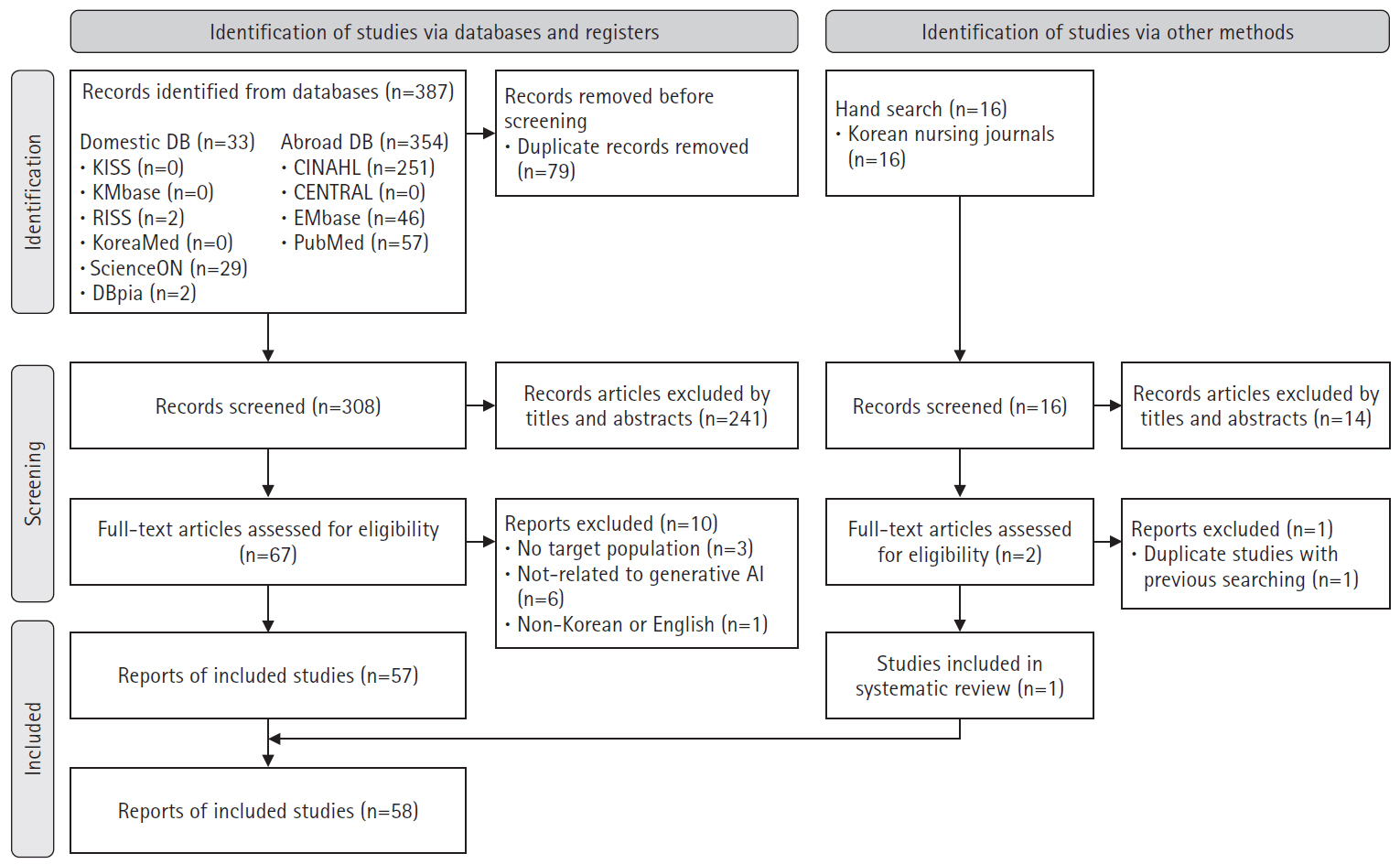
In total, 403 studies were initially identified, and 58 were included in the final analysis. In the care domain, strengths included rapid information retrieval and improved nurse-patient communication, while limitations included the irreplaceable human element and low reliability. The administration domain had no relevant studies. In the research domain, generative AI exhibited strengths such as enhanced efficiency in the paper writing process and improved dissemination speed, but its weaknesses included lack of ethical and legal accountability and a risk of inaccurate or biased information. In the education domain, generative AI was effective in saving time in educational design and implementation, as well as supporting content creation, but challenges included algorithmic bias and risks of plagiarism.
Conclusion
This study identified potential benefits and limitations of generative AI across nursing domains. For effective application, it is essential to develop comprehensive guidelines and policies, provide user education and support, and create opportunities for nurses, educators, and students to learn about strengths and risks of generative AI. -
Citations
Citations to this article as recorded by- Generative AI use in instructor-assigned learning activities among nursing students: A cross-sectional survey of perceptions, ethical awareness, faculty restrictions, and continuance intention
Yun-Ting Huang, Hsiao-Fang Hsiung, Hui-Ling Lin, Li-Chun Chang, Li-Ling Liao
Nurse Education Today.2026; 165: 107162. CrossRef - Toward an end-to-end K-AI nursing ecosystem: digital twins across the care continuum
Jeung-Im Kim, Jiyeon Kang, YeoJin Im, Sung Reul Kim, Sun Ju Chang
Journal of Korean Academy of Nursing.2026; 56(2): 123. CrossRef - A concept analysis of generative artificial intelligence-based learning support in nursing education
Hyo Hoon Ku
The Journal of Korean Academic Society of Nursing Education.2026; 32(3): 393. CrossRef - Leadership Development Needs of Novice and Advanced Beginner Nurses: A Nationwide Cross-sectional Study Using Proportional Quota Sampling
Sunmi Kim, Seok Hee Jeong
Journal of Korean Academy of Nursing Administration.2026; 32(4): 275. CrossRef - Nursing Students' Perspectives on the Use of Artificial Intelligence in Psychiatric Nursing Education: A Qualitative Meta-Synthesis
Sukyung Son, Eunyoung Park
Journal of Korean Academy of psychiatric and Mental Health Nursing.2025; 34(Special Is): 9. CrossRef
- Generative AI use in instructor-assigned learning activities among nursing students: A cross-sectional survey of perceptions, ethical awareness, faculty restrictions, and continuance intention
- 14,253 View
- 1,094 Download
- 2 Web of Science
- 5 Crossref
Research Papers
- Effects of a nursing leadership program on self-leadership, interpersonal relationships, clinical performance, problem-solving abilities, and nursing professionalism among nursing students in South Korea: a quasi-experimental study
- Sunmi Kim, Young Ju Jeong, Hee Sun Kim, Seok Hee Jeong, Eun Jee Lee
- J Korean Acad Nurs 2025;55(1):137-151. Published online February 25, 2025
- DOI: https://doi.org/10.4040/jkan.24110
-
Abstract
PDFePub
- Purpose
This study investigated the effects of a nursing leadership program on self-leadership, interpersonal relationships, clinical performance, problem-solving abilities, and nursing professionalism among nursing students in South Korea.
Methods
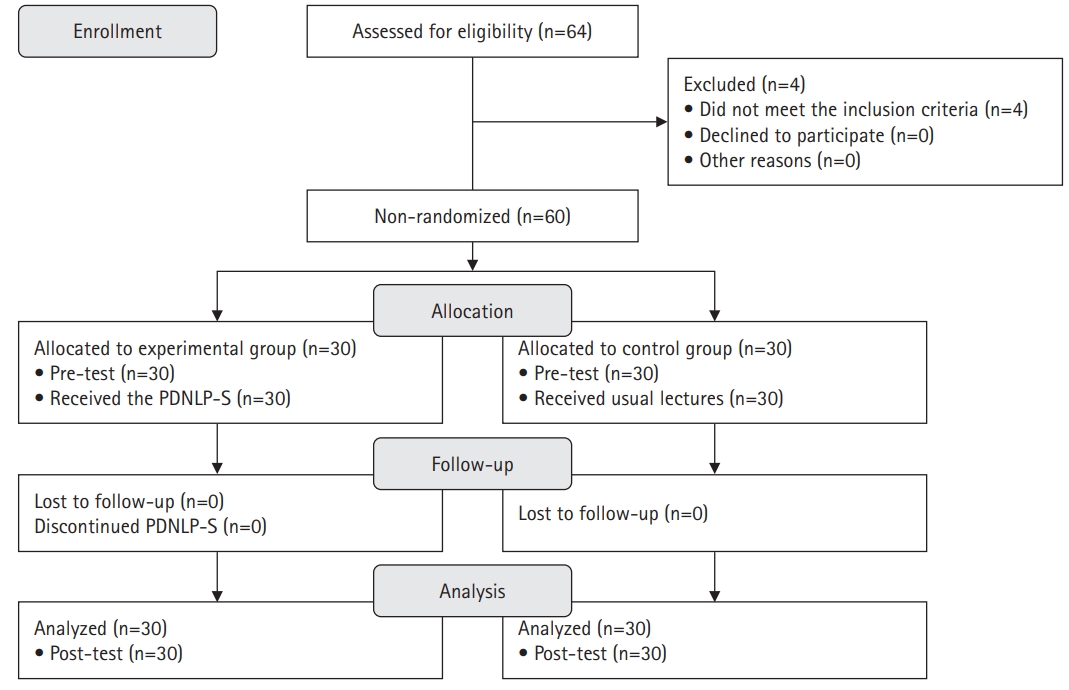
A quasi-experimental study was conducted. The Practice-Driven Nursing Leadership Program for Students (PDNLP-S) was developed based on the ADDIE model (analysis, design, development, implementation, and evaluation). This quasi-experimental study design included 60 nursing students. The experimental group (n=30) participated in the PDNLP-S for 120-minute sessions over 5 weeks, while the control group (n=30) received usual lectures. The PDNLP-S included lectures, discussions, and individual and group activities to cultivate core nursing leadership competencies such as individual growth, collaboration, nursing excellence, creative problem-solving, and influence. Data were analyzed using descriptive statistics, the Mann-Whitney U-test, and the independent t-test with IBM SPSS Windows ver. 26.0.
Results
The experimental group demonstrated significant improvements in self-leadership (t=3.28, p=.001), interpersonal relationships (t=3.07, p=.002), clinical performance (U=268.50, p=.004), and problem-solving abilities (t=2.20, p=.017) compared to the control group. No significant difference was observed in nursing professionalism (t=0.50, p=.311).
Conclusion
This study demonstrates that the PDNLP-S improved nursing students’ self-leadership, interpersonal relationships, clinical performance, and problem-solving abilities. The PDNLP-S can play a significant role in cultivating future nurse leaders by enhancing these nursing leadership competencies among nursing students. -
Citations
Citations to this article as recorded by- Psychosocial Predictors of Developmentally Supportive Care Competency Among NICU Nurses in South Korea: Self-Leadership, Emotional Intelligence, and Nursing Professionalism
So Jin Lee, Haeryun Cho
Advances in Neonatal Care.2026;[Epub] CrossRef - Self‐Leadership and Caring as Foundations of Relational Accountability in Nursing Clinical Judgement: A Conceptual Analysis
Mahmud Ady Yuwanto, Iyus Yosep, Iqbal Pramukti, Ati Surya Mediawati
Nursing Open.2026;[Epub] CrossRef - Efficacy of structured spiritual care education program on nurses’ spiritual well-being and clinical competence: a randomized controlled trial
Mehrvash Hemati, Azita Jaberi, Naval Heydari, Marzieh Momennasab
BMC Nursing.2026;[Epub] CrossRef - Leadership Development Needs of Novice and Advanced Beginner Nurses: A Nationwide Cross-sectional Study Using Proportional Quota Sampling
Sunmi Kim, Seok Hee Jeong
Journal of Korean Academy of Nursing Administration.2026; 32(4): 275. CrossRef - Self-Determination Theory in Return to Work Interventions: A Scoping Review
Kexin Chen, Ling Yang, Jiajia Tu
Journal of Multidisciplinary Healthcare.2025; Volume 18: 7539. CrossRef
- Psychosocial Predictors of Developmentally Supportive Care Competency Among NICU Nurses in South Korea: Self-Leadership, Emotional Intelligence, and Nursing Professionalism
- 11,737 View
- 463 Download
- 4 Web of Science
- 5 Crossref
- Effect of the Spinning Babies Program on Birth Outcomes and Satisfaction during Labor: A Non-Randomized Controlled Trial
- Mi-Yeon Jeong, Hyang Mi Jung
- J Korean Acad Nurs 2024;54(4):607-619. Published online November 20, 2024
- DOI: https://doi.org/10.4040/jkan.24097
-
Abstract
PDFePub
Purpose This study evaluated the effects of the Spinning Babies program applied during labor on birth outcomes and satisfaction among pregnant women.
Methods This non-equivalent control group, non-synchronized post-test only design study included 42 participants (22 in the experimental group and 20 in the control group). The Spinning Babies program was conducted four times in the experimental group during the first and second stages of delivery for 50 min per session. The program comprised performing pelvic circles on a birth ball, followed by wide squatting and adopting of open knee-chest and side-lying positions.
Results Compared with those in the control group, pregnant women in the experimental group had a significantly shorter labor time (t = - 6.64,
p < .001), a higher success rate for normal vaginal delivery (χ 2 = 4.86,p = .043), improved Apgar scores of newborns (z 2 = - 2.18,p = .029), differences in neonatal oxygen therapy use (χ 2 = 4.86,p = .043), and improved birth satisfaction (t = 11.99,p < .001).Conclusion The Spinning Babies program improves the birth environment by increasing the normal vaginal delivery success rate, as well as pregnant women’s birth satisfaction, and promotes neonatal health.
-
Citations
Citations to this article as recorded by- A systematic review of pulmonary rehabilitation nursing interventions for patients with chronic obstructive pulmonary disease
Da-Jung Kim
Journal of Exercise Rehabilitation.2025; 21(5): 234. CrossRef
- A systematic review of pulmonary rehabilitation nursing interventions for patients with chronic obstructive pulmonary disease
- 11,075 View
- 497 Download
- 1 Web of Science
- 1 Crossref
- Validity and Reliability of the Korean Version of the Occupational Coping Self-Efficacy Scale for Nurses
- Youngrye Park, Sunah Park, Hee Ran Kang
- J Korean Acad Nurs 2024;54(4):633-644. Published online November 30, 2024
- DOI: https://doi.org/10.4040/jkan.24094
-
Abstract
PDFePub
Purpose This study aimed to evaluate the validity and reliability of the Korean version of the occupational coping self-efficacy for nurses (K-OCSE-N) scale.
Methods The English version of the OCSE-N scale was translated into Korean using a translation and back-translation process. Data were gathered from 213 nurses employed in a general hospital in South Korea. The content validity was assessed using the content validity index. The construct validity was verified through exploratory and confirmatory factor analyses. Criterion validity was assessed using Pearson’s correlation coefficients with the job stress coping and general self-efficacy scales. Reliability was examined using item-total score correlation and Cronbach’s α coefficient for internal consistency.
Results The exploratory factor analysis identified two factors that explained 61.8% of the cumulative variance: occupational burden and relational difficulty. In confirmatory factor analysis, the model exhibited adequate fit (
χ 2/df = 2.07, GFI = .95, SRMR = .04, RMSEA = .07, CFI = .97, and TLI = .95), with both convergent and discriminant validity deemed acceptable. The criterion validity presented a positive correlation of the K-OCSE-N with both job stress coping (r = .72,p < .001) and general self-efficacy (r = .72,p < .001). The internal consistency of the scale using Cronbach’s α for the total items was .89.Conclusion The K-OCSE-N scale is a valid and reliable tool for measuring nurses’ occupational coping self-efficacy. This study suggests that various intervention studies can use the scale to assess and strengthen nurses’ occupational coping self-efficacy in nursing practice.
-
Citations
Citations to this article as recorded by- Patient Safety and Quality Improvement in Nursing Practice: Associations Among Workload, Occupational Coping Self-Efficacy and Medical Device-Related Pressure Injury Prevention
Hyun Suk Gwag, Jin Ah Kim
Healthcare.2026; 14(2): 270. CrossRef - Effects of the Nursing Work Environment, Patient-Centered Communication, Occupational Coping Self-Efficacy, and Professional Identity on Missed Nursing Care among General Hospital Nurses
Yuju Kim, Ju-Yeon Uhm
Journal of Fundamental Nursing Science.2026; 33(2): 277. CrossRef
- Patient Safety and Quality Improvement in Nursing Practice: Associations Among Workload, Occupational Coping Self-Efficacy and Medical Device-Related Pressure Injury Prevention
- 10,623 View
- 544 Download
- 1 Web of Science
- 2 Crossref
- Mediating effect of grit on the influence of nurses’ silence behavior on medication safety competence: a cross-sectional study
- Haengsuk Kim, Wanju Park
- J Korean Acad Nurs 2025;55(1):81-92. Published online February 20, 2025
- DOI: https://doi.org/10.4040/jkan.24088
-
Abstract
PDFePub
- Purpose
This study investigated the mediating effect of grit in the relationship between silence behavior and medication safety competence among nurses.
Methods
The study included 166 nurses from four university hospitals and general hospitals in Seoul and Gyeonggi-do, South Korea. Data were collected from March 1 to 10, 2024, using self-report questionnaires. Data were analyzed using the t-test, analysis of variance, Scheffé’s test, and Pearson’s correlation coefficients with IBM SPSS Statistics ver. 23.0 (IBM Corp.). A mediation analysis was performed using Hayes’s PROCESS macro model 4 and the bootstrapping method.
Results
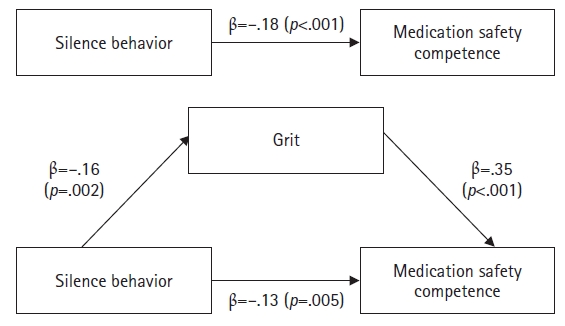
Medication safety competence showed significant correlations with silence behavior (r=–.21, p=.008) and grit (r=.43, p<.001). Furthermore, grit partially mediated the relationship between silence behavior and medication safety competence.
Conclusion
This study indicates that grit is a significant mediator in the relationship between silence behavior and medication safety competence. Therefore, an integrated approach that reduces silence behavior and promotes grit is essential for strengthening nurses’ medication safety competence. Ultimately, these strategies will help ensure patient safety by improving medication safety competence.
- 8,221 View
- 622 Download
Review Paper
- Legal and Practical Solutions for the Expanding the Roles of Medical Support Staff Nurses
- Su Jung Choi, Min Young Kim
- J Korean Acad Nurs 2024;54(3):300-310. Published online August 31, 2024
- DOI: https://doi.org/10.4040/jkan.24075
-
Abstract
PDF
- Purpose
Medical support staff nurses have traditionally performed various supportive tasks for physicians, often extending beyond standard nursing roles. Despite these long-standing practices, there is a notable lack of official recognition and legal protection for these expanded responsibilities, leading to increasing legal concerns. Therefore, there is a need for proposing a rational solution to address these issues.
Methods
The number of medical support staff nurses is rising, particularly as they fill gaps left by the 2024 resident physician strike. The study focuses on identifying potential challenges arising from this shift and developing strategic improvements to address these challenges effectively.
Results
This study proposed legally expanding the scope of nursing duties and creating a robust system for training and certifying nurses to handle these responsibilities effectively, by integrating these roles within the advanced practice nurse (APN) framework.
Conclusion
Integrating these roles within the framework of APN can offer a sustainable and legally sound solution to the ongoing healthcare crisis, ensuring patient safety and safeguarding healthcare workers’ legal rights. -
Citations
Citations to this article as recorded by- Predictors of end-of-life care among emergency nurses: A cross-sectional study in Korea
Ji Seon Lee, Sook Jung Kang
Australasian Emergency Care.2026; 29(2): 105. CrossRef - Impact of role conflict and job stress on turnover intention among Korean physician assistant nurses: A cross-sectional study
Jin-Won Lee, Eun-Hi Choi, Ji-Sun Back
International Journal of Nursing Sciences.2026; 13(2): 172. CrossRef - Job Burnout Associated with Work Environment among Physician Assistant Nurses: A Secondary Analysis of the 2025 Survey on Working Conditions of Health and Medical Workers
Kyongok Park, Hanyi Lee, Hyeon Sik Chu
Journal of The Korean Society of Living Environmental System.2026; 33(2): 188. CrossRef - Organizational Climate, Role Conflict, and Job Esteem Among Registered Nurses in Physician-Delegated Roles in South Korea: A Cross-Sectional Study
Youngeun Lee, Gaeun Kim
Healthcare.2026; 14(10): 1368. CrossRef - Experiences of nurses working as physician assistants under the expanded scope-of-practice policy following the 2024 resignation of medical residents in South Korea: a phenomenological study
Tae Yeong Yang, Myung Jin Jang, NaHyun Lee
Journal of Korean Academy of Nursing.2026; 56(2): 220. CrossRef - Operating Room Nurses’ Role Transitions to Surgical Assistant Nurses: Experience and Learning during a Resident Strike
Eun Kyung Jung, Yeon Hee Kim, Jeounghee Kim
Journal of Korean Association for Qualitative Research.2026; 11(1): 1. CrossRef - ‘Holding the line for patients’—Emergency nurses' experiences during a prolonged physician shortage crisis: A qualitative study
Mi Hyun Kim, Hye Jin Yoo
International Emergency Nursing.2026; 87: 101866. CrossRef - A Scoping Review of Dental Hygienists’ Practice in Korea: Thematic Classification and Identification of Core Themes
Geum-Han-A-Reum Lee, Hyo-Jin Lee, Bo-Mi Shin, Soo-Myoung Bae
Journal of Dental Hygiene Science.2026; 26(2): 75. CrossRef - Procedural Outcomes and Safety of Bone Marrow Aspiration and Biopsy Performed by an Advanced Practice Nurse: A Single-Center Retrospective Study
Ahyeong Song, Insung Cho
Asian Oncology Nursing.2026; 26(2): 87. CrossRef - Structural Change of Policy Networks and Legislative Breakthrough: A 20-Year Discourse Network Analysis of Nursing Legislation in South Korea
Young Gyu Kwon, Daun Jeong, Mi Kyung Kim, Chan Woong Kim
Asian Nursing Research.2026; 20(3): 303. CrossRef - Associations of Role Conflict and Self-efficacy with Job Satisfaction among Physician Assistant Nurses in Tertiary Hospitals in South Korea: A Descriptive Correlational Study
Hyunjung Yoo, Heeok Park, Eun Kyung Kim
Journal of Korean Academy of Nursing Administration.2026; 32(4): 302. CrossRef - Nurses’ Experiences of Physician Assistant Roles during the 2024 Residents’ Strike in Korea before the Enactment of the Nursing Act: A Phenomenological Study
Ji Won Ryu, Su Mi Kim
Journal of Korean Academy of Nursing Administration.2026; 32(4): 232. CrossRef - Professional Role Identity of Medical Support Nurses in Tertiary Hospitals: A Qualitative Content Analysis
Suejin Kim, Jina Choo, Yura Shin, Songwhi Noh, Jiye Min, Youngsoo Chu, Mi Yu, Soonhee Yoon, Sung Reul Kim, Yura Choi, Eunyeong Park, Gyuhee Han, Eunsil Jeong, Soohyun Ryu, Gyeongeun Choi
Research in Community and Public Health Nursing.2026; 37: 246. CrossRef - Legislation of Medical Support Tasks in the Nursing Act as a Foundation for Nursing Professionalism and Role Expansion
Su Jung Choi
Korean Journal of Adult Nursing.2025; 37(2): 69. CrossRef - Role Transformation and Adaptation of Physician Assistants during the 2024 Medical Workforce Shortage: A Phenomenological Study
Tae Yeong Yang, Nahyun Lee
Journal of Korean Academy of Nursing Administration.2025; 31(3): 259. CrossRef - Effects of Role Conflict, Work Environment, and Meaning of Work on Job Embeddedness among Physician Assistants
Kwang Hoon Seo, Tae Yeong Yang, Nam Gyu Park, Jung Eun Park
Journal of Korean Academy of Nursing Administration.2025; 31(3): 249. CrossRef - Media discourse on physician assistant nurses in South Korea: a text network and topic modeling approach
Young Gyu Kwon, Daun Jeong, Song Hee Park, Mi Kyung Kim, Chan Woong Kim
Journal of Korean Academy of Nursing.2025; 55(3): 388. CrossRef - Comparison of educational needs and priorities for work-related laws between hospital and community-based nurses
Jeonghyun Kim, Min Kyoung Han, Minjae Lee, Sujin Shin
Journal of Korean Academy of Nursing.2025; 55(3): 400. CrossRef - The Influence of Clinical Practice Nurses' Self-Leadership, Role Conflict, and Practice Environment on Patient Safety Competency
Jeong Hwa Heo, Ji Hyun Sung
Journal of Korean Academy of Nursing Administration.2025; 31(4): 458. CrossRef - Strategies for expanding the role of advanced practice providers in the Korean nursing workforce: a mixed-methods approach
Jeong Hye Kim, Mi-Kyeong Jeon, Suyoung Choi, Mimi Lee, Su Jung Choi
Journal of Korean Academy of Nursing.2025; 55(4): 568. CrossRef - Development and Psychometric Properties of the Korean Version of the Novice Nursing Practitioner Role Transition Scale
Eun Sook Kim, Mi-Kyeong Jeon, Su Jung Choi, Onam Ok, Genehee Lee, Ahyeong Song
Asian Nursing Research.2025; 19(5): 462. CrossRef - Nurses' Patient Care Experiences in a Changing Healthcare Environment Following One Year of Healthcare Policy Conflict - A Focus Group Interview
Eun Hee Kang, Yunhyung Kim, Jeong Hye Kim
Journal of Korean Association for Qualitative Research.2025; 10(3): 280. CrossRef
- Predictors of end-of-life care among emergency nurses: A cross-sectional study in Korea
- 8,085 View
- 413 Download
- 11 Web of Science
- 22 Crossref
Research Papers
- The Mediating Role of Psychological Resilience in Chinese Nursing Students’ Professional Identity and Learning Burnout
- Liu Zhang, Qin Zhang, ShuWen Li, YuHong Li, GuoCui Wu, Ying Chen, YunNa Zhou
- J Korean Acad Nurs 2024;54(4):509-518. Published online November 25, 2024
- DOI: https://doi.org/10.4040/jkan.24044
-
Abstract
PDFePub
Purpose This study investigated whether professional identity predicts learning burnout among Chinese nursing students, and whether resilience moderates this relationship.
Methods This cross-sectional study recruited 635 students from a nursing college at a medical university in Hefei, China. Data were collected using the professional identity questionnaire, learning burnout scale for college students, and 10-item Connor-Davidson Resilience Scale. Pearson’s correlation analysis was used to investigate the relationships between variables. The mediation effect was evaluated using linear regression and the bootstrap method in SPSS.
Results Nursing students exhibited intermediate learning burnout levels (score: 54.95 ± 10.42). Professional identity was positively correlated with psychological resilience (r = .42,
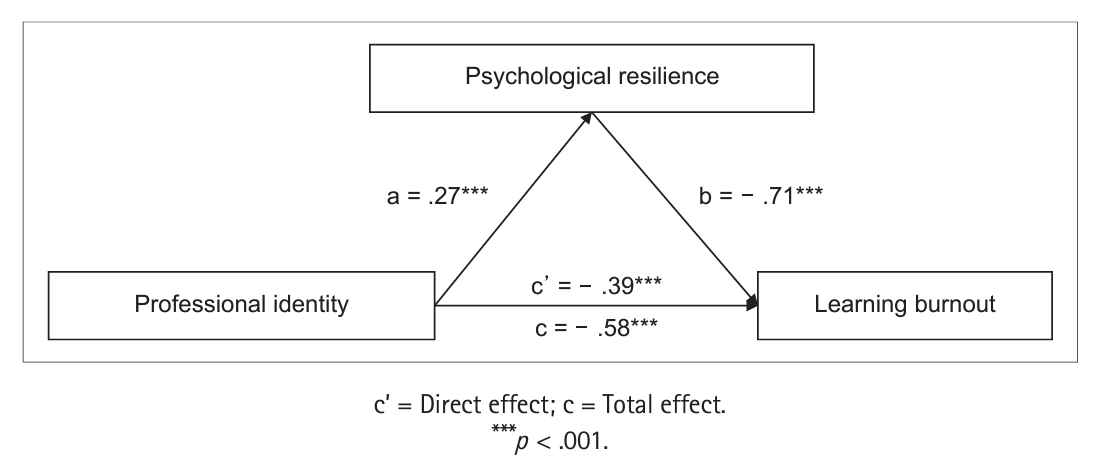
p < . 001), whereas learning burnout was negatively correlated with professional identity (r = - .54,p < . 001) and psychological resilience (r = - .57,p < . 001). Psychological resilience mediated the relationship between professional identity and learning burntout to the tune of 32.8%.Conclusion Psychological resilience mediates the relationship between professional identity and learning burnout. Thus, nursing educators can mitigate student burnout by developing their students' professional identities and psychological resilience.
-
Citations
Citations to this article as recorded by- The mediating role of sleep quality in the relationship between professional identity and anxiety symptoms among emergency nurses: a cross-sectional study
Siyu Cao, Hong Li, Tao Cheng
Frontiers in Public Health.2026;[Epub] CrossRef - How can I face death? Exploring the role of resilience in shaping nursing students’ meaning in life, professional identity and coping skills
Xuancheng Chen, Linan Cheng, Xiaoyan Guo, Yuhua Xie, Yangyi Cheng
Journal of Health Psychology.2026;[Epub] CrossRef - A phenomenological study on psychological resilience among medical vocational college freshmen
Zhefu Zhang, Chunxiao Xu, Lipin Ye, Yue Yang, Ying Mao, Wan Cheng, Qiyuan Huang
Frontiers in Psychiatry.2026;[Epub] CrossRef - Psychological resilience, metacognition, post-traumatic growth, and rumination among undergraduate nursing interns: A cross-sectional study
Hui Jiang, Xiangqi Xu, Yushang Li, Jingwen Zhang, Baojian Wei
International Journal of Nursing Studies Advances.2026; 10: 100561. CrossRef - Professional Identity and Career Planning of Nursing Students in the First Year: The Mediating Role of Willing Acceptance and Striving Based on Social Cognitive Career Theory
Rong Wu, Linyu Zhou, Nianfei Tang, Fangyi Li, Huiru Zeng, Ao Tang, Biao He, Xiaoju Chen, Harleen Khatra
Nursing Forum.2026;[Epub] CrossRef - The impact of creative anxiety on professional identity among master’s nursing students: a chain mediation effect of psychological resilience and achievement motivation
Yao Ding, Xiaolan Guo, Ruifeng Wang, Lu Xu, Shajie Hou, Fengjiao Chang
BMC Nursing.2025;[Epub] CrossRef - Sense of Coherence and Perceived Academic Stress Among Nursing Students: A Multicenter Cross-Sectional Study
David Ballester-Ferrando, Esther Cáceres-Malagelada, Carolina Rascón-Hernán, Teresa Botigué, Ana Lavedán, Olga Masot, Dolors Burjalés, Luis González-Osorio, Ximena Osorio-Spuler, Eva Serrat-Graboleda, Concepció Fuentes-Pumarola
Nursing Reports.2025; 15(8): 288. CrossRef
- The mediating role of sleep quality in the relationship between professional identity and anxiety symptoms among emergency nurses: a cross-sectional study
- 7,881 View
- 248 Download
- 7 Web of Science
- 7 Crossref
- Development of the Hospital Nurses’ Silence Behavior Scale
- Soojin Chung, Jee-In Hwang
- J Korean Acad Nurs 2024;54(2):279-295. Published online May 31, 2024
- DOI: https://doi.org/10.4040/jkan.23138
-
Abstract
PDF
- Purpose
This study aimed to develop a scale to measure hospital nurses’ silence behavior and examine its validity and reliability.
Methods
A total of 52 preliminary items on hospital nurses’ silence behavior were selected using a content validity test by seven experts on 53 candidate items derived from a literature review and in-depth interviews with 14 nurses. A total of 405 hospital nurses participated in a psychometric testing. Data analysis comprised item analysis, exploratory and confirmatory factor analyses, and convergent and discriminant validity tests. Pearson’s correlation coefficient was used for assessing concurrent validity, and Cronbach’s alpha was used for the reliability test.
Results
The final scale consisted of nine factors with 31 items, exhibiting acceptable model fit indices, convergent validity, and discriminant validity. The score of the entire scale was positively correlated with the ‘Organizational Silence Scale (OSS)-the issues on which nurses remain silent’ (r = .60, p < .001) and ‘OSS-the reasons why nurses remain silent’ (r = .68, p < .001). Cronbach’s α of the scale was .92, and α of each subscale ranged from .71 to .90.
Conclusion
The Hospital Nurses’ Silence Behavior Scale is a useful tool for assessing multifaceted silence behavior among nurses. It can provide basic data for developing better communication strategies among nurses and other hospital staff. -
Citations
Citations to this article as recorded by- Mediating Effect of Emotional Labour on the Role Pressure and Silence Behaviour of Nurses
Lianci He, Jianhua Liu, Rong Sun, Yuan Deng, Ling Tang, Shaochuan Chen
Evaluation & the Health Professions.2026; 49(1): 3. CrossRef - The Relationship Between Clinical Nurses’ Perceptions of the Power Used by Nursing Managers and Professional Silence Behaviors: An Example From Türkiye
Şirin Çelikkanat, Ayşe Eminoğlu Güven, Zeynep Güngörmüş, Lori M. Schirle
Journal of Nursing Management.2026;[Epub] CrossRef - Communication skills and organizational silence as predictors of perioperative competence in operating room nurses: a cross-sectional study
Hee Eun Kim, Sangjin Ko
BMC Nursing.2026;[Epub] CrossRef - Mediating effect of grit on the influence of nurses’ silence behavior on medication safety competence: a cross-sectional study
Haengsuk Kim, Wanju Park
Journal of Korean Academy of Nursing.2025; 55(1): 81. CrossRef - Influence of Clinical Nurses’ Organizational Silence on Organizational Citizenship Behavior: Mediating Effect of Organizational Commitment Moderated by Organizational Justice
Shin Ae Hwang, Haeyoung Min
Journal of Korean Academy of Nursing Administration.2024; 30(4): 416. CrossRef - Psychometric evaluation and translation of the Persian version of the Organizational Silence Behavior Scale (OSBS-P) for clinical nurses
Alireza Mirzaei, Mobina Jamshidinia, Mehrzad Aghabarari, Pouya Dolat Abadi, Reza Nemati-Vakilabad, Ehsan Namaziandost
PLOS ONE.2024; 19(12): e0314155. CrossRef
- Mediating Effect of Emotional Labour on the Role Pressure and Silence Behaviour of Nurses
- 7,734 View
- 396 Download
- 5 Web of Science
- 6 Crossref
- Reliability and validity of the Korean version of the Nurses Professional Values Scale-3 for nursing students: a methodological study
- Eun Hee Yang, Mi Yu
- J Korean Acad Nurs 2025;55(1):93-106. Published online February 20, 2025
- DOI: https://doi.org/10.4040/jkan.24113
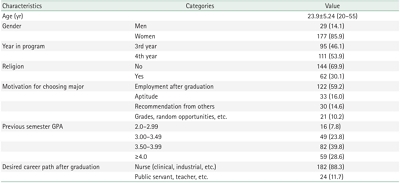
-
Abstract
PDFePub
- Purpose
This study aimed to adapt the Nurses Professional Values Scale-3 (NPVS-3) for Korean nursing students and assess its reliability and validity.
Methods
The NPVS-3 was translated into Korean using forward and back translation with expert review. Data from 206 nursing students at four universities were analyzed to assess content, construct, discriminant, and criterion validity, as well as internal consistency.
Results
The Korean version (NPVS-3K) consisted of 21 items in three subscales: caring (eight items), activism (eight items), and professionalism (five items), explaining 60.9% of the total variance. For convergent validity, standardized coefficients for the items ranged from .56 to .81, construct reliability ranged from .89 to .95, and the average variance extracted ranged from .61 to .72. The model was validated by confirmatory factor analysis (χ2=526.00 [p<.001], χ2/degrees of freedom=2.83, standardized root mean residual=.03, goodness of fit index=.81, comparative fit index=.87, Turker Lewis index=.85). Discriminant validity was confirmed using a multi-trait and multi-item matrix. Criterion validity showed positive correlations between the three NPVS-3K factors and professional identity (factor 1: r=.40, p<.001; factor 2: r=.55, p<.001; factor 3: r=.43, p<.001). Internal consistency, as measured by Cronbach’s α, was .94 overall, with subscale values of .90 for caring, .92 for activism, and .78 for professionalism.
Conclusion
The NPVS-3K demonstrated satisfactory validity and reliability, establishing it as a valuable tool for assessing the professional values of Korean nursing students. Additionally, it can aid in developing educational strategies to strengthen these values, although further research is required to confirm its broader applicability. -
Citations
Citations to this article as recorded by- The mediating effect of nursing professional values on the relationship between ethical values and ethical decision-making confidence in nursing students approaching graduation
Seang Ryu, Kyungja Kang
The Journal of Korean Academic Society of Nursing Education.2026; 32(2): 198. CrossRef - Translation, Cultural Adaptation and Validation of a Korean Version of the Digital Professionalism Self‐Assessment Instrument for Nurses
Suyeon Ban, Ja-Yeoung Lee, GyeongAe Seomun, Matthew Vandermeulen
Journal of Nursing Management.2026;[Epub] CrossRef
- The mediating effect of nursing professional values on the relationship between ethical values and ethical decision-making confidence in nursing students approaching graduation
- 7,267 View
- 532 Download
- 1 Web of Science
- 2 Crossref
- Development and Effectiveness of Progressive Simulation Education Program on Medication Safety for Nursing Students
- Se-Young Jung, Eun-Young Kim
- J Korean Acad Nurs 2024;54(4):563-576. Published online October 14, 2024
- DOI: https://doi.org/10.4040/jkan.24054
-
Abstract
PDFePub
Purpose This study aimed to develop and verify a progressive simulation education program aimed at enhancing nursing students’ medication safety competency.
Methods A non-equivalent control group pretest-posttest design was adopted. The participants were 40 third-year nursing students with no prior simulation education experience, comprising 20 each in the experimental and control groups. The experimental treatment utilized a hybrid simulation approach incorporating both full-body mannequins and standardized patients and was, conducted over three sessions with durations of 65, 80, and 95 minutes for the first, second, and third sessions, respectively, for a total of 240 minutes. The program was constructed based on Jeffries’ simulation model.
Results The levels of medication safety competencies, communication self-efficacy, learning self-efficacy, and problem-solving abilities of the experimental group were significantly higher than that of the control group.
Conclusion Our results confirm that the program effectively improves nursing students’ medication safety competence, communication self-efficacy, learning self-efficacy, and problem-solving ability. Therefore, this program can serve as a basis for developing educational strategies related to medication safety for nursing education institutions. Furthermore, the program is anticipated to have a positive impact on novice nurses’ education and practice in clinical settings.
-
Citations
Citations to this article as recorded by- Safety-centered simulation education using the 360-degree video room of errors: A mixed-methods study
Jiyoung Kim, Yeji Kim, Hyunji Park, Jiyeong Won, Jiwon Yun, Yuran Lee
Clinical Simulation in Nursing.2026; 111: 101899. CrossRef - Efficacy of Simulation Systems in Educational Interventions for New Graduate Nurses
Moon-Hee Kang, Eunju Seo
Journal of information and communication convergence engineering.2026; 24(3): 327. CrossRef
- Safety-centered simulation education using the 360-degree video room of errors: A mixed-methods study
- 7,233 View
- 572 Download
- 1 Web of Science
- 2 Crossref
Review Paper
- Effectiveness of non-pharmacological interventions to reduce internalized stigma in people with severe mental illness: a systematic review and meta-analysis
- Soyoung Kim, Sun Hyoung Bae, Myung-Sun Hyun
- J Korean Acad Nurs 2025;55(1):1-18. Published online February 25, 2025
- DOI: https://doi.org/10.4040/jkan.24072
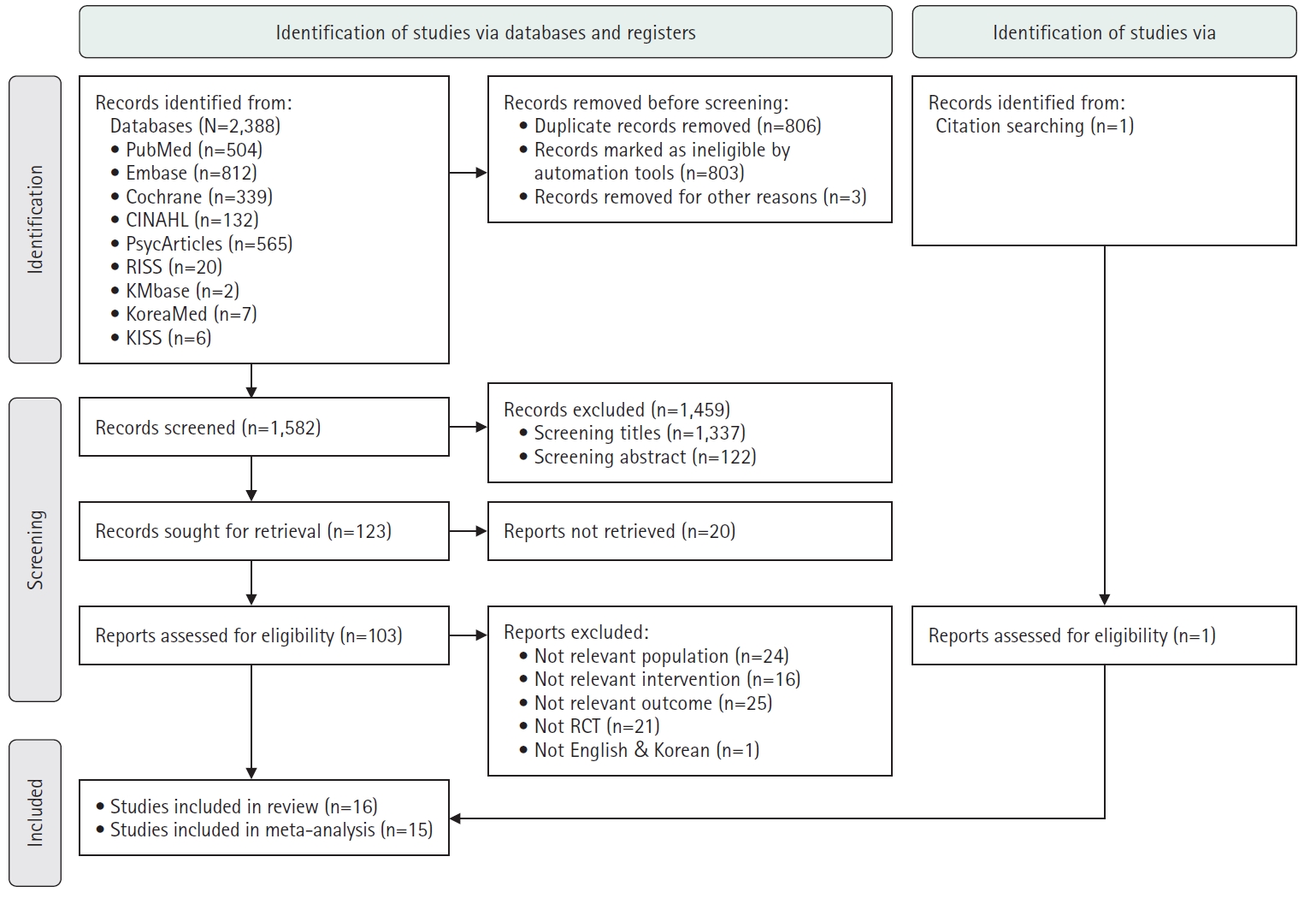
-
Abstract
PDFePub
- Purpose
This study systematically reviewed and analyzed the effects of non-pharmacological interventions on internalized stigma among people with severe mental illness.
Methods
A systematic review and meta-analysis were conducted following the Cochrane Intervention Research Systematic Review Manual and Preferred Reporting Items for Systematic Review and Meta-Analysis guidelines. This study targeted people with severe mental illness as the population, interventions aimed at reducing internalized stigma, comparisons with control groups, and internalized stigma as the outcome. A literature search was performed across multiple databases, including PubMed, EMBASE, the Cochrane Library, CINAHL, PsycArticles, RISS, KMbase, and KoreaMed. The risk of bias was evaluated using the Cochrane Risk of Bias 2.0 tool. Effect sizes were computed using Hedges’s g, and subgroup analyses were conducted with Comprehensive Meta-Analysis software version 4.0.
Results
Of 2,388 papers, 15 were included in the meta-analysis. The overall effect size (Hedges’s g) of the intervention was –0.60 (95% confidence interval, –1.01 to –0.19), indicating a statistically significant reduction in internalized stigma (Z=–2.88, p=.004). Subgroup analyses revealed that the intervention type (p=.008) and session length (p=.011) were significant moderators influencing the effectiveness of the interventions.
Conclusion
Tailoring interventions by considering variables such as the intervention type and session length could enhance the effectiveness of non-pharmacological interventions for reducing internalized stigma among people with severe mental illness (PROSPERO: CRD42023418561). -
Citations
Citations to this article as recorded by- Determinants of Mental Health Help-Seeking Behavior Among Korean Adults: A Population-Based Study Using the 2023 Korea National Health and Nutrition Examination Survey
Moonhee Gang, Ga-Ae Kim, Joonyeong Lee, Farhatun Nisaa Shoeb
Journal of Psychosocial Nursing and Mental Health Services.2026; : 1. CrossRef - Effectiveness of a Rational Emotive Behavior Therapy-Based Recovery Promotion Program for Psychiatric Inpatients: A Quasi-Experimental Study
Ju Yeon Kim, Hyun Mee Cho, Won Hee Jun
Journal of the American Psychiatric Nurses Association.2026;[Epub] CrossRef - Opportunities to Improve Prescription Opioid Management in Advanced Cancer: A Concept Mapping Approach to Intervention Development
Hailey W. Bulls, Sarah Orris, Anna Gogiberidze, Justin A. Scott, Desiree R. Azizoddin, Kelly W. Harris, Burel R. Goodin, Cristina Murray-Krezan, Jane M. Liebschutz, Ellen M Lavoie Smith, Yael Schenker, Jessica S. Merlin, Jessica G. Burke
The Journal of Pain.2026; : 106457. CrossRef
- Determinants of Mental Health Help-Seeking Behavior Among Korean Adults: A Population-Based Study Using the 2023 Korea National Health and Nutrition Examination Survey
- 6,924 View
- 496 Download
- 2 Web of Science
- 3 Crossref
Research Papers
- Experiences of Patients and Their Families Receiving Medical Services Provided by Advanced Practice Nurses at Tertiary General Hospitals
- Mi-Kyeong Jeon, Su Jung Choi, Ji Eun Han, Eun Kyung Kwon, Jeong Hee Park, Jeong Hye Kim
- J Korean Acad Nurs 2024;54(4):594-606. Published online November 4, 2024
- DOI: https://doi.org/10.4040/jkan.24069
-
Abstract
PDFePub
Purpose This study aimed to understand and describe the experiences of patients and their families who have received medical services from advanced practice nurses in tertiary general hospitals in Korea.
Methods Data were collected through four focus group interviews with 20 patients and their families who had received medical services from advanced practice nurses for more than six months at four tertiary hospitals from November 29 to December 28, 2023. Verbatim transcripts were analyzed using qualitative content analysis.
Results The four themes extracted from the experiences of patients and their families were as follows: unfamiliar medical personnel encountered during the treatment process, healthcare professionals who exhibited excellence, companions to light my way through the tunnel of illness, and an advanced practice nurse system that must be activated urgently.
Conclusion The study’s findings indicate that patients and their families view the care provided by advanced practice nurses as excellent, reliable, and holistic. Research suggests that advanced practice nurses are valuable healthcare professionals in team-based care. The findings suggest that hospitals should utilize an advanced practice nurse system to improve patient outcomes and ensure the quality of care.
-
Citations
Citations to this article as recorded by- Legislation of Medical Support Tasks in the Nursing Act as a Foundation for Nursing Professionalism and Role Expansion
Su Jung Choi
Korean Journal of Adult Nursing.2025; 37(2): 69. CrossRef - Strategies for expanding the role of advanced practice providers in the Korean nursing workforce: a mixed-methods approach
Jeong Hye Kim, Mi-Kyeong Jeon, Suyoung Choi, Mimi Lee, Su Jung Choi
Journal of Korean Academy of Nursing.2025; 55(4): 568. CrossRef - Nurses' Patient Care Experiences in a Changing Healthcare Environment Following One Year of Healthcare Policy Conflict - A Focus Group Interview
Eun Hee Kang, Yunhyung Kim, Jeong Hye Kim
Journal of Korean Association for Qualitative Research.2025; 10(3): 280. CrossRef
- Legislation of Medical Support Tasks in the Nursing Act as a Foundation for Nursing Professionalism and Role Expansion
- 6,498 View
- 337 Download
- 1 Web of Science
- 3 Crossref
- Factors Influencing Sexual Experiences in Adolescents Using a Random Forest Model: Secondary Data Analysis of the 2019~2021 Korea Youth Risk Behavior Web-based Survey Data
- Yoonseok Yang, Ju Won Kwon, Youngran Yang
- J Korean Acad Nurs 2024;54(2):193-210. Published online May 31, 2024
- DOI: https://doi.org/10.4040/jkan.23134
-
Abstract
PDF
- Purpose
The objective of this study was to develop a predictive model for the sexual experiences of adolescents using the random forest method and to identify the “variable importance.” Methods: The study utilized data from the 2019 to 2021 Korea Youth Risk Behavior Web-based Survey, which included 86,595 man and 80,504 woman participants. The number of independent variables stood at 44. SPSS was used to conduct Rao-Scott χ2 tests and complex sample t-tests. Modeling was performed using the random forest algorithm in Python. Performance evaluation of each model included assessments of precision, recall, F1-score, receiver operating characteristics curve, and area under the curve calculations derived from the confusion matrix.
Results
The prevalence of sexual experiences initially decreased during the COVID-19 pandemic, but later increased. “Variable importance” for predicting sexual experiences, ranked in the top six, included week and weekday sedentary time and internet usage time, followed by ease of cigarette purchase, age at first alcohol consumption, smoking initiation, breakfast consumption, and difficulty purchasing alcohol.
Conclusion
Education and support programs for promoting adolescent sexual health, based on the top-ranking important variables, should be integrated with health behavior intervention programs addressing internet usage, smoking, and alcohol consumption. We recommend active utilization of the random forest analysis method to develop high-performance predictive models for effective disease prevention, treatment, and nursing care. -
Citations
Citations to this article as recorded by- Gender differences in the associations among adolescent problem behaviors: a secondary data analysis of the 2023 Korea Youth Risk Behavior Survey
Jaeyoung Lee, So Yeon Park
Child Health Nursing Research.2025; 31(3): 155. CrossRef
- Gender differences in the associations among adolescent problem behaviors: a secondary data analysis of the 2023 Korea Youth Risk Behavior Survey
- 6,380 View
- 100 Download
- 1 Crossref
- Core domains for pre-registered nurses based on program outcomes and licensing competencies
- Soyoung Yu, Hye Young Kim, Jeung-Im Kim, JuHee Lee, Ju-Eun Song, Hyang Yuol Lee
- J Korean Acad Nurs 2025;55(2):249-268. Published online May 27, 2025
- DOI: https://doi.org/10.4040/jkan.25017
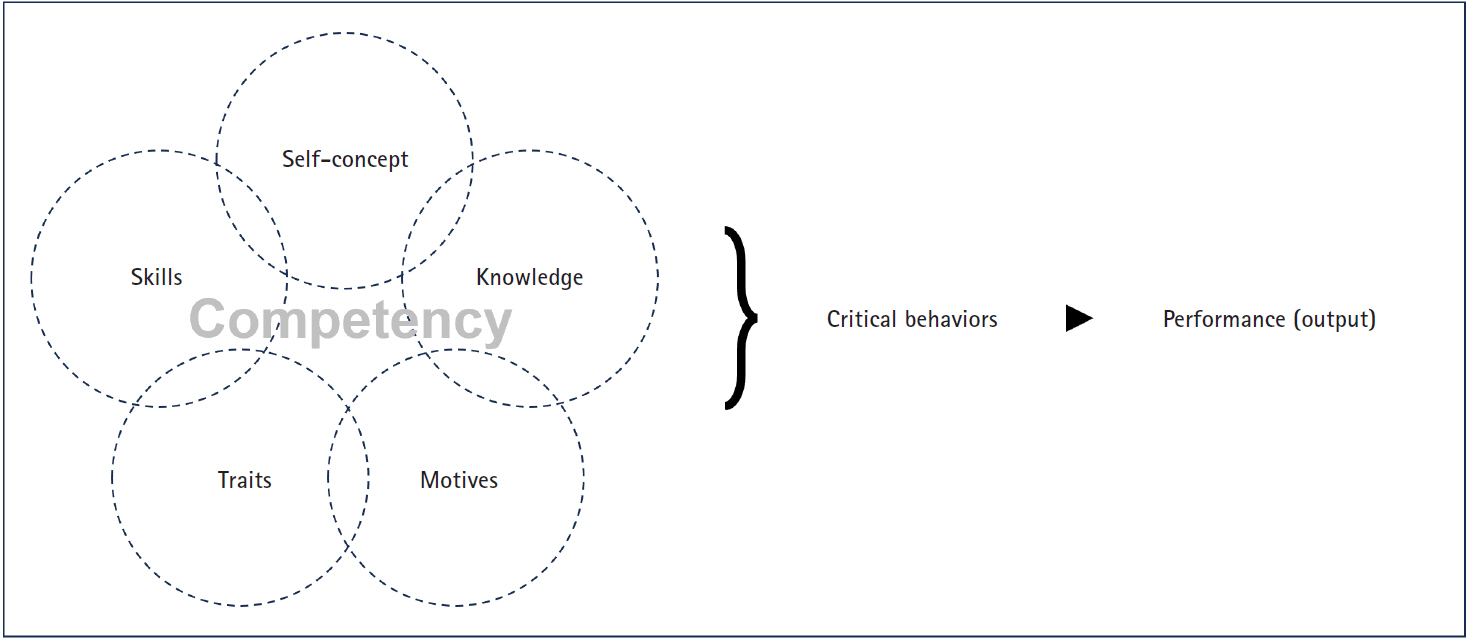
-
Abstract
PDFePub
- Purpose
This study aimed to identify core domains for pre-registered nurses by comparing licensing competencies with program outcomes (POs) in undergraduate nursing education. This was accomplished in preparation for the transition of the Korean Nurse Licensing Examination (KNLE) from a tradition seven-subject format to a newly integrated, competency-based single-subject format that reflects current trends in nursing assessment.
Methods
A literature review and survey were conducted. From 828 studies retrieved via PubMed, CINAHL, and Google Scholar using keywords such as “newly graduated registered nurses” and “competency OR competence,” 18 were selected according to pre-established inclusion and exclusion criteria. Documents from national and international nursing organizations were included to extract relevant licensing competencies. We also reviewed POs from all undergraduate nursing schools in South Korea to align educational outcomes with the identified core domains.
Results
The core domains identified were clinical performance and decision-making, professional attitudes and ethics, communication and interpersonal skills, leadership and teamwork, quality improvement and safety, health promotion and prevention, and information technology and digital health. These domains showed strong alignment with POs under the fourth-cycle accreditation standards.
Conclusion
It concludes the seven core domains will be appropriate for evaluating pre-registered nurses in the integrated KNLE. Based on the seven identified core domains, expert consensus should be sought in the next phase to support the development of integrated, competency-based test items grounded in these domains. -
Citations
Citations to this article as recorded by- Transforming nursing education to enhance integrated nursing competency: a Delphi-based methodological study on symptom-based clinical reasoning
Jeung-Im Kim, Soyoung Yu, Jin-Hee Park, Ju-Eun Song, Eunjung Ryu, JuHee Lee, YeoJin Im
Journal of Korean Academy of Nursing.2026; 56(1): 39. CrossRef
- Transforming nursing education to enhance integrated nursing competency: a Delphi-based methodological study on symptom-based clinical reasoning
- 6,304 View
- 246 Download
- 1 Web of Science
- 1 Crossref
- Effectiveness of a mobile application for tracking symptoms and enhancing symptom management among breast cancer patients receiving chemotherapy in Bangkok, Thailand: a non-randomized controlled trial
- Duangrat Kaveenuntachai, Supawan Jaiboon, Bualuang Sumdaengrit, Chureeporn Silaguntsuti, Arveewan Vittayatigonnasak, Pornchan Sailamai
- J Korean Acad Nurs 2025;55(2):178-190. Published online May 27, 2025
- DOI: https://doi.org/10.4040/jkan.25011
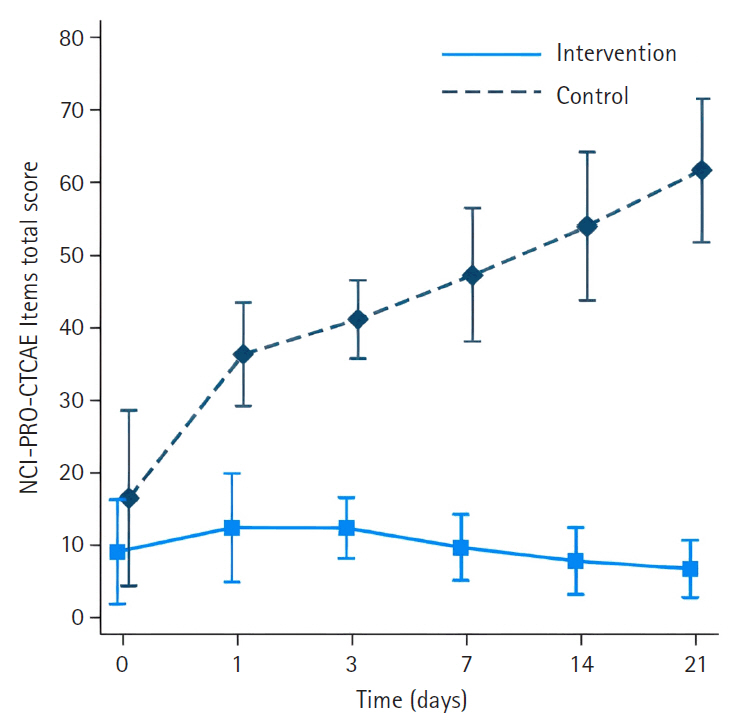
-
Abstract
PDFePub
- Purpose
This study evaluated the effectiveness of a mobile application in tracking symptoms and improving symptom management and quality of life (QoL) among breast cancer patients undergoing chemotherapy in Thailand.
Methods
A non-randomized controlled trial was used, with 25 participants in the intervention group and 25 in the control group. Research instruments included a demographic data form, the NCI-PRO-CTCAE Items-Thai-Thailand version 1.0, and the European Organization for Research and Treatment of Cancer Quality of Life Core Questionnaire and Breast Cancer-Specific Module.
Results
The intervention group had significantly less severe side effects than the control group, with mean differences of –23.33 (95% confidence interval [CI], –27.82 to –18.83) on day 1, –28.18 (95% CI, –33.22 to –23.14) on day 3, –34.63 (95% CI, –40.18 to –29.08) on day 7, –42.56 (95% CI, –48.72 to –36.40) on day 14, and –51.31 (95% CI, –58.13 to –44.48) on day 21 (p<.001 for all). On day 21, participants in the intervention group reported significantly higher scores in the Global Health QoL and Functional Scales compared to the control group (p<.001). Additionally, intervention group participants reported lower scores on the Symptom Scales and higher scores on the Functional Scales than those in the control group (p<.001).
Conclusion
The ChemoPro application helped manage chemotherapy-related symptoms and was associated with improved symptom monitoring and QoL. Nonetheless, the study was limited by a small sample size and restriction to Android users. Future research with larger and more diverse populations is recommended before broader implementation in clinical practice. -
Citations
Citations to this article as recorded by- Effectiveness of a digital health intervention on the supportive care needs and quality of life in Mexican patients with breast cancer: a randomized clinical trial
Saúl Eduardo Contreras-Sánchez, Svetlana V. Doubova, Rocío Grajales-Álvarez, Ricardo Villalobos-Valencia, Abdel Karim Dip-Borunda, José Gustavo Nuñez-Cerrillo, Alma Diana Huerta-López, Álvaro José Montiel-Jarquín, Arturo García-Galicia, Enrique Isay Talam
BMC Cancer.2026;[Epub] CrossRef - Systematic review of patient-reported outcome item libraries in cancer research: an EORTC Quality of Life Group study
Rosemary Peacock, Christopher Bedding, Bonnie Pacheco, Hayat Hamzeh, Claire Piccinin, Alexandra Gilbert
JNCI: Journal of the National Cancer Institute.2026; 118(6): 971. CrossRef - Digital PRO collection methods during chemotherapy: A scoping review of tools, platforms, and psychometric properties
G. Hari Prakash, Tejaswini BD, Sony Sequeira, Mohammed Mujaheed Hussain, Anush Nayak
Measurement and Evaluations in Cancer Care.2026; 4: 100036. CrossRef - Response pathways and clinical workflow integration of digital symptom management platforms for breast cancer: A scoping review
Jing Yu, Shouze Jin, Yuening Liu, Rui Chen, Yuxin Liu, Hong Ji, Lijuan Wang
Asia-Pacific Journal of Oncology Nursing.2026; : 101029. CrossRef
- Effectiveness of a digital health intervention on the supportive care needs and quality of life in Mexican patients with breast cancer: a randomized clinical trial
- 6,302 View
- 336 Download
- 3 Web of Science
- 4 Crossref
Editorial
- Challenges for the Activation of Advanced Practice Nursing in Korea
- Young Hee Yi
- J Korean Acad Nurs 2024;54(3):297-299. Published online August 31, 2024
- DOI: https://doi.org/10.4040/jkan.24074
-
PDF
-
Citations
Citations to this article as recorded by- Nurses’ contributions during a medical doctors’ strike: A qualitative study of educational implications for preparing nurses for expanded clinical roles
Subin Park, Eunyoung, E. Suh
The Journal of Korean Academic Society of Nursing Education.2026; 32(2): 240. CrossRef - Operating Room Nurses’ Role Transitions to Surgical Assistant Nurses: Experience and Learning during a Resident Strike
Eun Kyung Jung, Yeon Hee Kim, Jeounghee Kim
Journal of Korean Association for Qualitative Research.2026; 11(1): 1. CrossRef - Effects of Role Conflict, Work Environment, and Meaning of Work on Job Embeddedness among Physician Assistants
Kwang Hoon Seo, Tae Yeong Yang, Nam Gyu Park, Jung Eun Park
Journal of Korean Academy of Nursing Administration.2025; 31(3): 249. CrossRef - Role Transformation and Adaptation of Physician Assistants during the 2024 Medical Workforce Shortage: A Phenomenological Study
Tae Yeong Yang, Nahyun Lee
Journal of Korean Academy of Nursing Administration.2025; 31(3): 259. CrossRef - Core Competencies and Associated Determinants for Infection Control Nurses by Career Stage Following COVID-19
Sun Jung, Jeong Sil Choi
Korean Journal of Healthcare-Associated Infection Control and Prevention.2025; 30(1): 50. CrossRef
- Nurses’ contributions during a medical doctors’ strike: A qualitative study of educational implications for preparing nurses for expanded clinical roles
- 6,264 View
- 507 Download
- 5 Crossref
Review Paper
- Factors Related to Emotional Leadership in Nurses Manager: Systematic Review and Meta-Analysis
- Se Young Jang, Chan Mi Park, Eun Hee Yang
- J Korean Acad Nurs 2024;54(2):119-138. Published online May 31, 2024
- DOI: https://doi.org/10.4040/jkan.24026
-
Abstract
PDF
- Purpose
This study aimed to identify research trends related to emotional leadership among nurse managers by conducting a systematic literature review and meta-analysis. This study sought to derive insights that could contribute to improving emotional leadership in nursing practice.
Methods
A systematic review and meta-analysis were conducted according to the Preferred Reporting Items for Systematic Reviews and Meta-Analysis (PRISMA) and Meta-Analysis Of Observational Studies in Epidemiology (MOOSE) guidelines. Databases including PubMed, Cumulative Index to Nursing and Allied Health Literature, Scopus, Web of Science, Research Information Sharing Service, Koreanstudies Information Service System, Korean Medical Database, KoreaMed, ScienceON, and DBpia were searched to obtain papers published in English and Korean. Literature searches and screenings were conducted for the period December 1, 2023 to December 17, 2023. The effect size correlation (ESr) was calculated for each variable and the meta-analysis was performed using the statistical software SPSS 29.0, R 4.3.1.
Results
Twenty-five (four personal, six job, and fifteen organizational) relevant variables were identified through the systematic review. The results of the meta-analysis showed that the total overall effect size was ESr = .33. Job satisfaction (ESr = .40) and leader-member exchange (ESr = .75) had the largest effect size among the job and organizational-related factors.
Conclusion
Emotional leadership helps promote positive changes within organizations, improves organizational effectiveness, and increases member engagement and satisfaction. Therefore, it is considered an important strategic factor in improving organizational performance. -
Citations
Citations to this article as recorded by- Leadership Development Needs of Novice and Advanced Beginner Nurses: A Nationwide Cross-sectional Study Using Proportional Quota Sampling
Sunmi Kim, Seok Hee Jeong
Journal of Korean Academy of Nursing Administration.2026; 32(4): 275. CrossRef - Emotional leadership in health care: A dire need illuminated by pivotal resource cuts
Jacqueline Hoare
South African Journal of Science.2025;[Epub] CrossRef
- Leadership Development Needs of Novice and Advanced Beginner Nurses: A Nationwide Cross-sectional Study Using Proportional Quota Sampling
- 5,933 View
- 288 Download
- 1 Web of Science
- 2 Crossref
Research Papers
- Development and Evaluation of an App-Based Self-Management Program for Exercise Practice of Breast Cancer Survivors: A Non-Randomized Controlled Trial
- Suyoun Maeng, Jungok Yu
- J Korean Acad Nurs 2024;54(2):250-265. Published online May 31, 2024
- DOI: https://doi.org/10.4040/jkan.23119
-
Abstract
PDF
- Purpose
This study aimed to develop an app-based self-management program based on the transtheoretical model (TTM) for breast cancer survivors’ exercise practice, as well as to investigate the program’s effects on the stage of change for exercise, exercise self-efficacy, exercise decisional balance, exercise amount, and body composition.
Methods
This non-randomized controlled study included 52 participants (26 in each of the experimental and control groups, respectively). An app-based self-management program based on the TTM was conducted with the experimental group for a 12-week period. The program comprised three components: individual coaching for each stage of change for exercise based on TTM, amount of exercise and body composition monitoring, and online self-help meetings.
Results
Compared with the control group, the experimental group had significantly higher stages of change for exercise (p < .001), exercise self-efficacy (p < .001), exercise decisional balance (p = .002), exercise amount (p < .001), and body composition (body weight [p = .006], body mass index [p = .005], and body fat percentage [p = .010]) immediately and four weeks after the intervention.
Conclusion
An appbased self-management program based on the TTM improves exercise behaviors in breast cancer survivors and provides physical benefits. -
Citations
Citations to this article as recorded by- Feasibility and acceptability of ExerciseGuideUK for those living with and beyond lung cancer: a mixed methods study
Jordan Curry, Mark Pearson, Camille E. Short, Corneel Vandelanotte, Holly E. L. Evans, Michael Lind, Cynthia C. Forbes
Supportive Care in Cancer.2026;[Epub] CrossRef - Trajectories of behavior change motivation among general hospital patients following proactive automatized multi-behavior change intervention
Maike Kuehnel, Anne Moehring, Anika Tiede, Filipa Krolo-Wicovsky, Caroline Timm, Sophie Baumann, Ulrich John, Jennis Freyer-Adam
General Hospital Psychiatry.2026; 102: 51. CrossRef - Effects of a mobile health coaching intervention on symptom experience, self-management, and quality of life in breast cancer survivors: A quasi-experimental study
Jin-Hee Park, Sun Hyoung Bae, Yong Sik Jung, Min Hee Hur, Ji Young Kim, Su Jin Jung
Medicine.2025; 104(12): e41894. CrossRef
- Feasibility and acceptability of ExerciseGuideUK for those living with and beyond lung cancer: a mixed methods study
- 5,852 View
- 310 Download
- 4 Web of Science
- 3 Crossref
- Development of a communication self-efficacy scale for nurses: a psychometric validation study
- Kuem Sun Han, Jihye Shin, Soo Yeon Lee
- J Korean Acad Nurs 2025;55(2):269-284. Published online May 27, 2025
- DOI: https://doi.org/10.4040/jkan.24129
-
Abstract
PDFePub
- Purpose
This methodological study was conducted to develop a scale to measure communication self-efficacy in nurses and examine its validity and reliability.
Methods
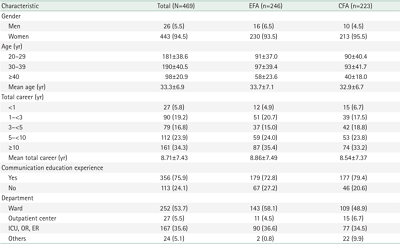
We selected 54 initial items from literature reviews and interviews with 10 clinical nurses. Thirty-two preliminary items were derived from consultations with 10 experts. To verify the scale’s factor structure, we conducted exploratory factor analysis (EFA), and confirmatory factor analysis (CFA) among 469 nurses. Data were analyzed using item analysis, EFA, CFA, discriminant validity, convergent validity, and internal consistency using IBM SPSS Statistics ver. 29.0 (IBM Corp.) and IBM SPSS AMOS ver. 20.0 (IBM Corp.).
Results
The scale consisted of 18 items with three factors (ability to apply therapeutic communication skills, crisis management capabilities, and communication competence), which explained 46.1% of the total variance. Convergent validity and discriminant validity were confirmed for the factors. CFA supported the fit of the measurement model comprising three factors (standardized root mean square residual=.04, root mean square error of approximation=.03, goodness of fit index=.92, Tucker-Lewis index=.97, comparative fit index=.98, normed fit index=.89, critical N=216). Internal consistency was confirmed by a Cronbach’s α coefficient of .91.
Conclusion
The communication self-efficacy scale for nurses is expected to measure communication self-efficacy among nurses. It will be useful for improving nurses’ professional communication abilities. -
Citations
Citations to this article as recorded by- Factors Influencing Psychiatric Nursing Competency among Emergency Nurses: The Mediating Effect of Psychological Safety in a Cross-Sectional Study
Yu Jin Lee, Chung Hee Woo
Journal of Korean Academy of psychiatric and Mental Health Nursing.2026; 35(1): 53. CrossRef - Development and Validation of a Multidimensional Nursing Empowerment Scale (NES)
Fatma Cerit Soydan, Ayşe Nefise Bahçecik
Journal of Nursing Management.2026;[Epub] CrossRef
- Factors Influencing Psychiatric Nursing Competency among Emergency Nurses: The Mediating Effect of Psychological Safety in a Cross-Sectional Study
- 5,764 View
- 444 Download
- 1 Web of Science
- 2 Crossref
- Temporal Exploration of New Nurses’ Field Adaptation Using Text Network Analysis
- Shin Hye Ahn, Hye Won Jeong, Seong Gyeong Yang, Ue Seok Jung, Myoung Lee Choi, Heui Seon Kim
- J Korean Acad Nurs 2024;54(3):358-371. Published online August 31, 2024
- DOI: https://doi.org/10.4040/jkan.24034
-
Abstract
PDF
- Purpose
This study aimed to analyze the experiences of new nurses during their first year of hospital employment to gather data for the development of an evidence-based new nurse residency program focused on adaptability. Methods: This study was conducted at a tertiary hospital in Korea between March and August 2021 with 80 new nurses who wrote in critical reflective journals during their first year of work. NetMiner 4.5.0 was used to conduct a text network analysis of the critical reflective journals to uncover core keywords and topics across three periods. Results: In the journals, over time, degree centrality emerged as “study” and “patient understanding” for 1 to 3 months, “insufficient” and “stress” for 4 to 6 months, and “handover” and “preparation” for 7 to 12 months. Major sub-themes at 1 to 3 months were: “rounds,” “intravenous-cannulation,” “medical device,” and “patient understanding”; at 4 to 6 months they were “admission,” “discharge,” “oxygen therapy,” and “disease”; and at 7 to 12 months they were “burden,” “independence,” and “solution.” Conclusion: These results provide valuable insights into the challenges and experiences encountered by new nurses during different stages of their field adaptation process. This information may highlight the best nurse leadership methods for improving institutional education and supporting new nurses’ transitions to the hospital work environment. -
Citations
Citations to this article as recorded by- A Text Network Analysis of Nurse Managers’ Feedback Journals
Naru Kang, Shinhye Ahn, Hye Won Jeong
CIN: Computers, Informatics, Nursing.2026;[Epub] CrossRef - Development and evaluation of a stepwise clinical competency development program for new nurses: A single-group repeated-measures quasi-experimental study
Shinhye Ahn, Hye Won Jeong, Joyce Jebet Cheptum
PLOS One.2026; 21(2): e0342464. CrossRef - Analysis of clinical nurse educators’ mentoring feedback on new nurse journals at a tertiary hospital in South Korea: utilizing text network analysis
Shinhye Ahn, Hye Won Jeong
BMC Nursing.2025;[Epub] CrossRef - A Kirkpatrick Model Evaluation of the Development and Assessment of an Integrated, Adaptation Support Program for New Nurses Led by Clinical Nurse Educators: Using a Single, Group Repeated‐Measures Design
Hye Won Jeong
Nursing & Health Sciences.2025;[Epub] CrossRef
- A Text Network Analysis of Nurse Managers’ Feedback Journals
- 5,680 View
- 123 Download
- 4 Web of Science
- 4 Crossref
- Influence of Illness Uncertainty on Health Behavior in Individuals with Coronary Artery Disease: A Path Analysis
- Hyesun Jeong, Yesul Lee, Jin Sup Park, Yoonju Lee
- J Korean Acad Nurs 2024;54(2):162-177. Published online May 31, 2024
- DOI: https://doi.org/10.4040/jkan.23136
-
Abstract
PDF
- Purpose
This study aimed to investigate the influence of uncertainty-related factors on the health behavior of individuals with coronary artery disease (CAD) based on Mishel’s uncertainty in illness theory (UIT).
Methods
We conducted a cross-sectional study and path analysis to investigate uncertainty and factors related to health behavior. The study participants were 228 CAD patients who visited the outpatient cardiology department between September 2020 and June 2021. We used SPSS 25.0 and AMOS 25.0 software to analyze the data.
Results
The final model demonstrated a good fit with the data. Eleven of the twelve paths were significant. Uncertainty positively affected danger and negatively affected self-efficacy and opportunity. Danger had a positive effect on perceived risk. Opportunity positively affected social support, self-efficacy, perceived benefit and intention, whereas it negatively affected perceived risk. Social support, self-efficacy, perceived benefit and intention had a positive effect on health behavior. We found that perceived benefit and intention had the most significant direct effects, whereas self-efficacy indirectly affected the relationship between uncertainty and health behavior.
Conclusion
The path model is suitable for predicting the health behavior of CAD patients who experience uncertainty. When patients experience uncertainty, interventions to increase their self-efficacy are required first. Additionally, we need to develop programs that quickly shift to appraisal uncertainty as an opportunity, increase perceived benefits of health behavior, and improve intentions. -
Citations
Citations to this article as recorded by- Self-Care, Resilience, and Uncertainty in Patients After Coronary Artery Bypass Graft Surgery: A Cross-Sectional Descriptive Correlational Study
Eun-Hye Park, JiYeon Choi, Phill Ja Kim, Jiyeon Lee
Journal of Cardiovascular Nursing.2026; 41(4): 255. CrossRef - Health uncertainty: Scale development and its effect on health behaviors
Rui Ren, Su Tao, Yuhua Ouyang, Wenchong Du
Journal of Health Psychology.2026; 31(11): 4547. CrossRef - Health literacy, social support, and health activation as determinants of health-promoting behaviors in patients with chronic heart failure: a COM-B model–based path analysis
Siyu Deng, Meijie Zheng, Wenxiu Liu, Mingjin Jiang, Yanmei Wang
Frontiers in Public Health.2026;[Epub] CrossRef - Associations between uncertainty in illness and cardiac rehabilitation adherence in patients with CHD: a cross-sectional chain mediation and latent profile analysis of cardiac self-efficacy and fear of activity
Lei Wu, Hongmei Xue, Chunxiu Tian, Yan Lu
Frontiers in Cardiovascular Medicine.2026;[Epub] CrossRef - Distinct profiles of heart-focused anxiety and their association with kinesiophobia among patients with coronary heart disease: a cross-sectional study
Jingwen Qin, Jiamin Li, Yan Zhou, Ping Yu, Xin Wang, Xin Pan, Kaizheng Gong
European Journal of Cardiovascular Nursing.2026;[Epub] CrossRef - Association between Coping Profiles and Cardiac Health Behavior among Patients with Coronary Artery Disease: A Latent Profile Analysis
Yesul Lee, Yoonju Lee, Jeong Cheon Choe, Hyesun Jeong, Sunyoung Jung
Korean Journal of Adult Nursing.2024; 36(3): 228. CrossRef
- Self-Care, Resilience, and Uncertainty in Patients After Coronary Artery Bypass Graft Surgery: A Cross-Sectional Descriptive Correlational Study
- 5,674 View
- 280 Download
- 5 Web of Science
- 6 Crossref
- Effects of a Health Partnership Program Using Mobile Health Application for Male Workers with Cardiovascular Risk Factors in Small and Medium Enterprises: A Randomized Controlled Trial
- Eun Jin Kim, Seon Young Hwang
- J Korean Acad Nurs 2024;54(1):44-58. Published online February 29, 2024
- DOI: https://doi.org/10.4040/jkan.23090
-
Abstract
PDF
- Purpose
This study aimed to apply a health partnership program using commercially available mobile health apps to improve cardiovascular risk factors in male employees and verify its effectiveness.
Methods
Using a randomized control group pretest-posttest design, male employees with cardiovascular risk factors from five small and medium-sized workplaces were randomly assigned to an experimental group (n = 32) and a control group (n = 31). The experimental group was encouraged to use three mobile health apps for 12 weeks to acquire the necessary cardiovascular disease-related information and practice strengthening training, walking, and diet management appropriate to their level. They also received feedback on their weekly activities and motivational text messages from health partners. Hypotheses were tested using the SPSS WIN 22.0.
Results
The experimental group showed a significant difference compared to the control group in terms of their perception of mobile health app (p < .05), self-efficacy for exercise and diet, self-management partnership, and cardiovascular disease prevention health behavior (p < .001). In particular, there were significant decreases in the body mass index, ratio, serum fasting blood sugar, total cholesterol, and triglyceride in the experimental group (p < .001); however, there was no significant difference in high-density lipoprotein-cholesterol.
Conclusion
Intervention using mobile apps based on partnership with health managers is effective in improving the objective cardiovascular risk index in male employees; therefore, such intervention should be continuously used as a useful lifestyle modification strategy in the workplace. -
Citations
Citations to this article as recorded by- Adherence to a Heart-Healthy Lifestyle: Testing of the Information–Motivation–Behavioral Skills Model
Yura Shin, Jina Choo, Songwhi Noh
Journal of Cardiovascular Nursing.2026; 41(2): 125. CrossRef - A Prospective Study of Relation between Academic & Exercise Stress, Quality of Life and Mibyeong in the College Students Majoring Physical Education
Yeonju Woo, Soojin Lee
Journal of Physiology & Pathology in Korean Medicine.2025; 39(1): 36. CrossRef
- Adherence to a Heart-Healthy Lifestyle: Testing of the Information–Motivation–Behavioral Skills Model
- 5,629 View
- 320 Download
- 1 Web of Science
- 2 Crossref
- A non-face-to-face diabetes self-management program based on self-efficacy theory and health literacy: a non-randomized controlled trial
- Jung Hee Lee, Soo Jin Lee
- J Korean Acad Nurs 2025;55(2):165-177. Published online May 23, 2025
- DOI: https://doi.org/10.4040/jkan.25009

-
Abstract
PDFePub
- Purpose
This study aimed to assess the impact of a non-face-to-face diabetes self-management program based on self-efficacy theory and focusing on health literacy.
Methods
A quasi-experimental, nonequivalent control group pre–post design was used. Participants from a community health promotion center were included if they (1) were 30–70 years of age, (2) had type 2 diabetes with glycated hemoglobin (HbA1c) ≥6.5%, and (3) had internet access via computers or mobile devices. The 8-week program was developed based on self-efficacy theory, and it included virtual education using an online platform, telephone counseling, videos, and social networking site activities considering health literacy. Fasting blood glucose levels, HbA1c levels, diabetes self-efficacy, social support, depression, and self-management behaviors were assessed. Data were analyzed using the independent t-test, paired t-test, and others.
Results
Post-test results showed that the intervention group had significantly lower fasting blood glucose levels and improved diabetes self-efficacy, social support, and self-management behaviors compared with the control group. An analysis of the pre-to-post changes in scores indicated that the intervention group had significantly greater improvements in fasting blood glucose levels, diabetes self-efficacy, and overall diabetes self-management behaviors than those observed in the control group.
Conclusion
Non-face-to-face programs based on self-efficacy theory that consider health literacy can provide effective diabetes management support to patients when in-person diabetes management at community health centers is challenging. -
Citations
Citations to this article as recorded by- Knowledge, attitude, and practice of foot care and associated factors among high-risk diabetic foot patients: A cross-sectional study in Shanghai, China
Hu Yan-ni, Cai Hong, Zhang Wei, Ma Li-li, Zhuang Hui-ren
Journal of Tissue Viability.2026; 35(4): 101044. CrossRef
- Knowledge, attitude, and practice of foot care and associated factors among high-risk diabetic foot patients: A cross-sectional study in Shanghai, China
- 5,618 View
- 389 Download
- 1 Web of Science
- 1 Crossref
- Exploring Traumatic Experiences and Posttraumatic Growth among Korean Veterans: A Photovoice Study
- Riah Kim, Heese Choi, Minsung Kim
- J Korean Acad Nurs 2024;54(4):519-533. Published online October 14, 2024
- DOI: https://doi.org/10.4040/jkan.24049
-
Abstract
PDFePub
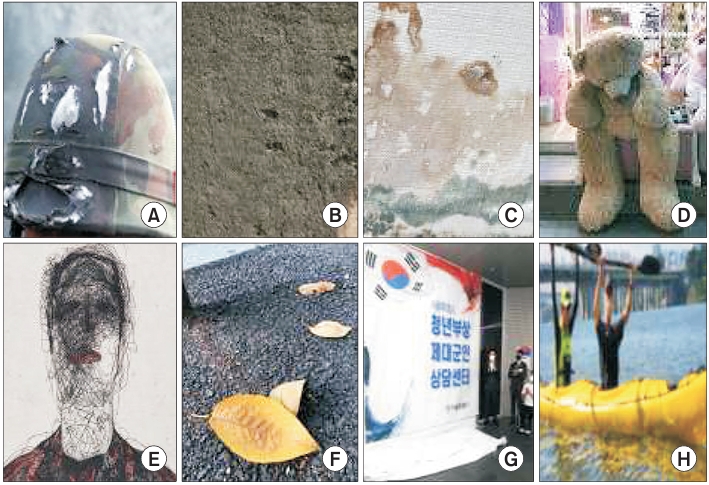
Purpose This study aimed to explore traumatic experiences and posttraumatic growth among Korean veterans.
Methods A qualitative study was conducted using photovoice. Purposive sampling strategies yielded five veterans who had experienced traumatic events. Participants engaged in three discussion sessions between August 5, 2023, and October 28, 2023. The collected data were analyzed using photovoice document analysis and thematic analysis.
Results Study results identified the following themes: ‘The collapse of my life as a result massive trauma,’ ‘Sinking into endless isolation and disconnection,’ ‘The process of finding myself through reflection,’ and ‘My life journey moving forward together.’ Despite the irreversible damage caused by traumatic experiences during military service, the participants continuously reflected on the meaning of their trauma and posttraumatic growth, thereby recovering their authentic selves.
Conclusion Veterans who have experienced traumatic events face severe difficulties, however through their efforts at recovery, they recognize the individuals they are now. This study suggests the need for social support and highlights the necessity of providing various opportunities and policy assistance to traumatized veterans.
- 5,534 View
- 156 Download
- The Effects of a Self-Efficacy Theory-Based Exercise Program for Patients Undergoing with Total Knee Arthroplasty
- Kyung-Hye Park, Hee-Young Kang
- J Korean Acad Nurs 2024;54(4):547-562. Published online October 22, 2024
- DOI: https://doi.org/10.4040/jkan.24027
-
Abstract
PDF
 Supplementary MaterialePub
 Purpose This study was performed to develop a self-efficacy theory-based exercise program for total knee arthroplasty (TKA) and to test the program’s efficacy in ameliorating knee pain and restoring function as measured by lower extremity muscle strength, 3 meter walking time, Korean Western Ontario McMaster Index (WOMAC), exercise self-efficacy, and length of hospital stay for TKA patients.
Methods This quasi-experimental study incorporating a non-equivalent control group and pretest-posttest non-synchronized design non-synchronous design was applied to assess self-efficacy reinforcement strategies based on self-efficacy theory. The exercise program consisted of the following steps: TKA, education to prevent postoperative complications, and muscle strength exercises. Respective exercise and control groups included 29 and 27 participants. The experimental group received eight sessions of the program from three weeks before TKA to four weeks after TKA. Collected data were analyzed using the chi-square test, Mann–Whitney U test, and ranked ANCOVA and t-tests using IBM SPSS Statistics 23.
Results Experimental group showed significant improvement in lower extremity muscle strength (F = 8.63,
p = .005), 3 meter walking time (z = - 5.02,p < .001), WOMAC index (z = - 2.22,p = .027), self-efficacy for exercise (z = - 3.29,p = .001), and length of hospital stay (t = - 2.11,p = .040) compared to the control group. No significant differences in knee pain and range of motion were observed.Conclusion These findings indicate that a self-efficacy theory-based exercise program can be an effective exercise strategy that patients undergoing TKA can easily follow at home without assistance. It is thus recommended as an exercise intervention for TKA patients.
-
Citations
Citations to this article as recorded by- Self-efficacy and implementation intentions in home rehabilitation of stroke patients: the parallel mediating role of recurrence risk perception and outcome expectations
Xiaowen Jiang, Qiuxue Sun, Rong Tang, Shuxian Liu, Xi Chen, Yumei Lv
Frontiers in Psychology.2025;[Epub] CrossRef - Factors Influencing Decision-Making and Rehabilitation Among Older Women Who Underwent Total Knee Replacement: A Qualitative Study in Taiwan
Ching Han Huang, Yun Yee Chen, Shu Wen Chen, Chen Ti Wang, Mei Hsiang Lin
Patient Preference and Adherence.2025; Volume 19: 3931. CrossRef
- Self-efficacy and implementation intentions in home rehabilitation of stroke patients: the parallel mediating role of recurrence risk perception and outcome expectations
- 5,436 View
- 399 Download
- 2 Web of Science
- 2 Crossref
- Factors influencing smartphone overdependence in university students: an ecological model: a descriptive study
- Jeong Soon Yu, Myung Soon Kwon
- J Korean Acad Nurs 2025;55(1):64-80. Published online February 20, 2025
- DOI: https://doi.org/10.4040/jkan.24092
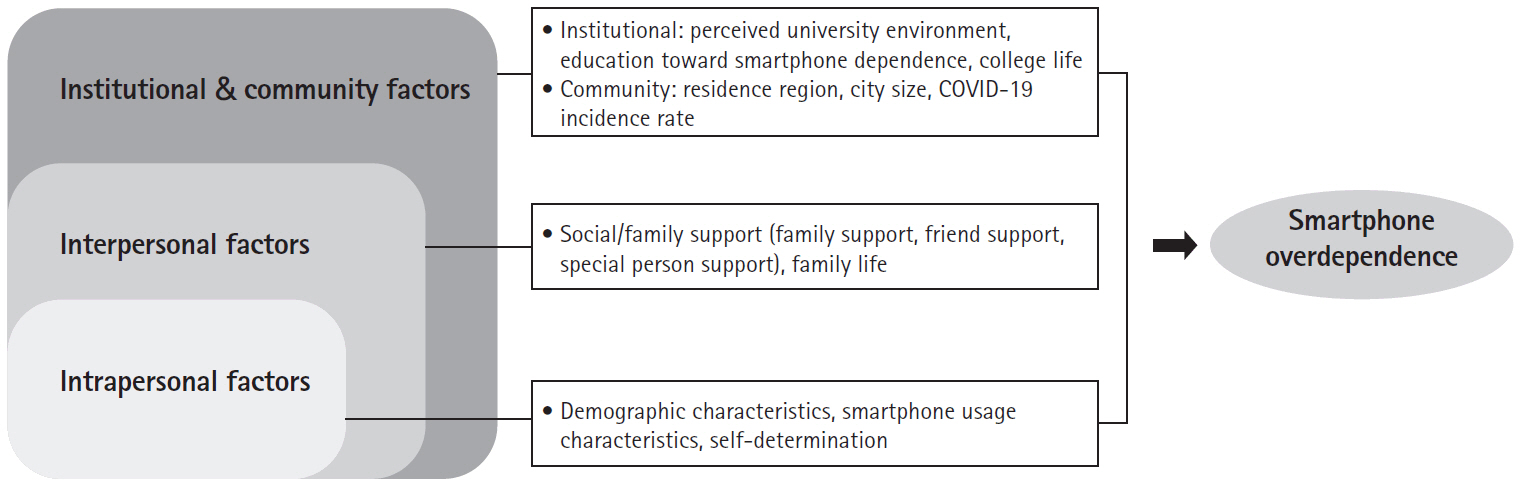
-
Abstract
PDFePub
- Purpose
This study investigated the factors influencing smartphone overdependence in university students using an ecological model and descriptive research.
Methods
Data were collected from 482 students at 13 universities in the six regions in South Korea from October 20, 2020, to March 25, 2021. Data analysis involved descriptive statistics, the chi-square test, the independent samples t-test, analysis of variance, and hierarchical multiple regression.
Results
The significant ecological factors influencing smartphone overdependence included self-awareness of smartphone overdependence (β=.33, p<.001), autonomy (β=–.25, p<.001), average daily smartphone usage time (β=.18, p<.001), gender (β=.15, p=.001), college year (β=.15, p=.020), forming relationships with others as a motivation for smartphone use (β=–.15, p=.008), friend support (β=.14, p=.006), and age (β=–.12, p=.047). The model explained 34.9% of the variance.
Conclusion
The study emphasized the role of personal and interpersonal factors, in smartphone overdependence among university students. Tailored intervention strategies are necessary to address smartphone overdependence, considering the unique characteristics of students’ environments. A significant aspect of this study is that it provides an explanation of the multidimensional factors contributing to smartphone overdependence among university students, including intrapersonal, interpersonal, and environmental influences. -
Citations
Citations to this article as recorded by- Research on the application behavior of generative artificial intelligence learning of college students based on self-determination theory
Xu Fang, Junci Feng
Frontiers in Psychology.2026;[Epub] CrossRef
- Research on the application behavior of generative artificial intelligence learning of college students based on self-determination theory
- 5,416 View
- 240 Download
- 1 Web of Science
- 1 Crossref
- Nomogram for predicting changes in cognitive function in community dwelling older adults with mild cognitive impairment based on Korea Longitudinal Study of Ageing Panel Data: a retrospective study
- Hyuk Joon Kim, Hye Young Kim
- J Korean Acad Nurs 2025;55(1):50-63. Published online February 7, 2025
- DOI: https://doi.org/10.4040/jkan.24059
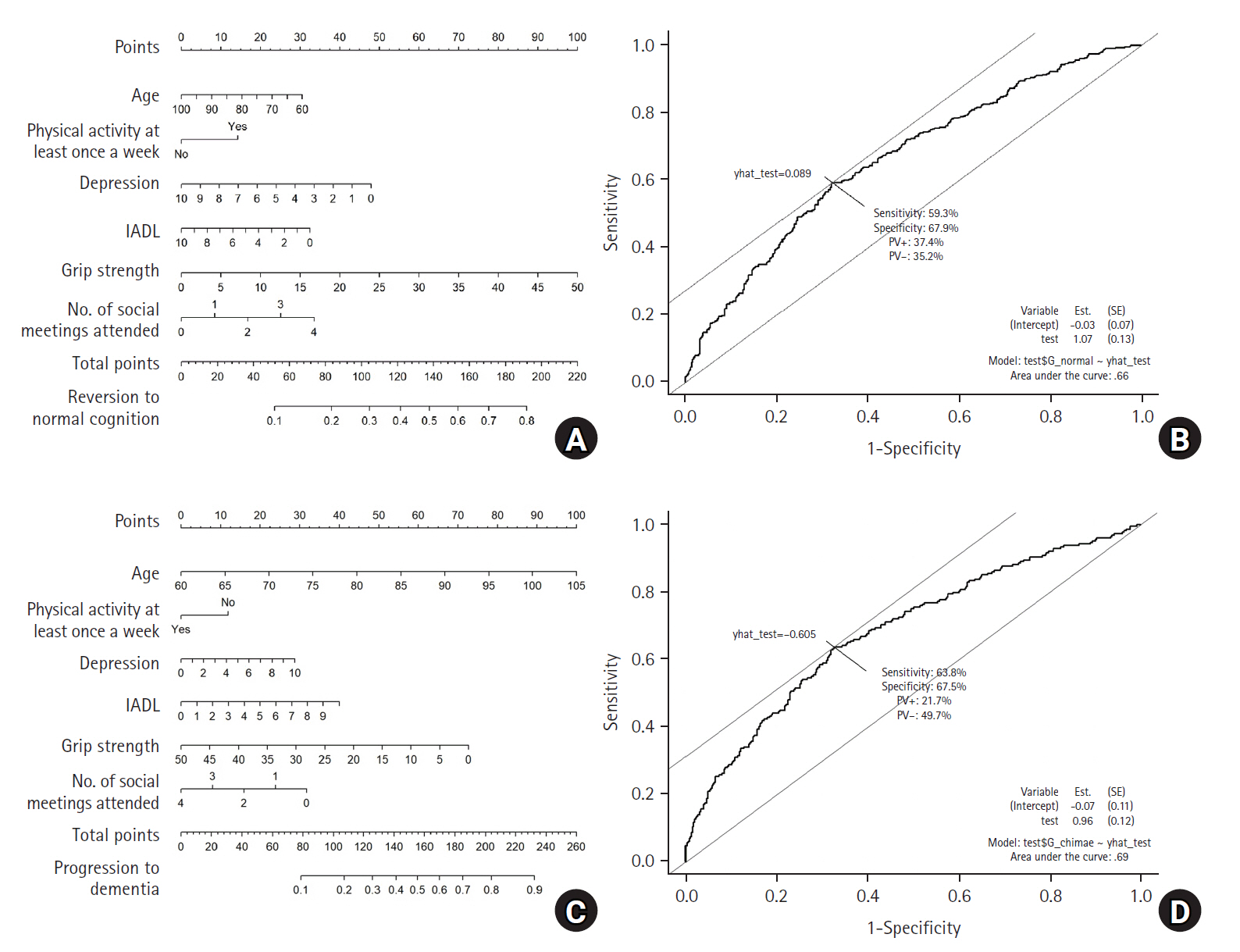
-
Abstract
PDFePub
- Purpose
This study aimed to identify factors associated with normal cognitive reversion and progression to dementia in older adults with mild cognitive impairment (MCI) residing in the community and to develop a nomogram.
Methods
This longitudinal study used secondary data from the Korea Longitudinal Study of Ageing Panel Data (2006–2018). The study included 1,262 participants aged 60 or older, with initial Mini-Mental State Examination scores ranging from 18 to 23. Data were analyzed using the Rao-Scott chi-square test, panel binary logistic regression, and receiver operating characteristic (ROC) curve in Stata ver. 17.0 (Stata Corp.).
Results
The rate of reversion from MCI to normal cognition was 37.0% after 2 years and 32.9% after 12 years. The rate of progression to dementia was 18.0% after 2 years and 30.2% after 12 years. In the nomogram for reversion to normal cognition, the most significant influences were grip strength, depression, number of meetings, age, and regular exercise, with an area under the ROC curve (AUC) of .66. In contrast, in the nomogram for progression to dementia, the most significant influences were age, grip strength, instrumental activities of daily living, number of social meetings attended, depression, and regular exercise, with an AUC of .69.
Conclusion
These nomograms can serve as an effective intervention tool for preventing dementia in the field of community health care since they can serve as a visual technique for presenting information on risk to individuals with MCI. -
Citations
Citations to this article as recorded by- The Longitudinal Relationship Between Physical Functions and Cognitive Functions Among Middle-Aged and Older Adults in Primary Care
Nan Hu, Wupeng Yin, Rabeya Illyas Noon, Noof Alabdullatif
International Journal of Environmental Research and Public Health.2025; 22(6): 908. CrossRef - Development and Validation of a Nomogram Predicting Sarcopenia in Community-Dwelling Older Adults
Sook Kyoung Park, Hyuk Joo Kim, Young-Me Lee, Hye Young Kim
INQUIRY: The Journal of Health Care Organization, Provision, and Financing.2025;[Epub] CrossRef - Effects of Emotional Labor on Burnout in Nurses: Focusing on the Moderating Effects of Social Intelligence and Emotional Intelligence
Kyung Ran Lee, Jeoung Mi Kim
Journal of Korean Academy of Nursing Administration.2016; 22(1): 22. CrossRef
- The Longitudinal Relationship Between Physical Functions and Cognitive Functions Among Middle-Aged and Older Adults in Primary Care
- 5,304 View
- 278 Download
- 1 Web of Science
- 3 Crossref
- A qualitative meta-synthesis of the essence of patient experiences of dialysis
- Soyoung Jang, Eunyoung E. Suh, Yoonhee Seok
- J Korean Acad Nurs 2025;55(1):119-136. Published online February 19, 2025
- DOI: https://doi.org/10.4040/jkan.24102
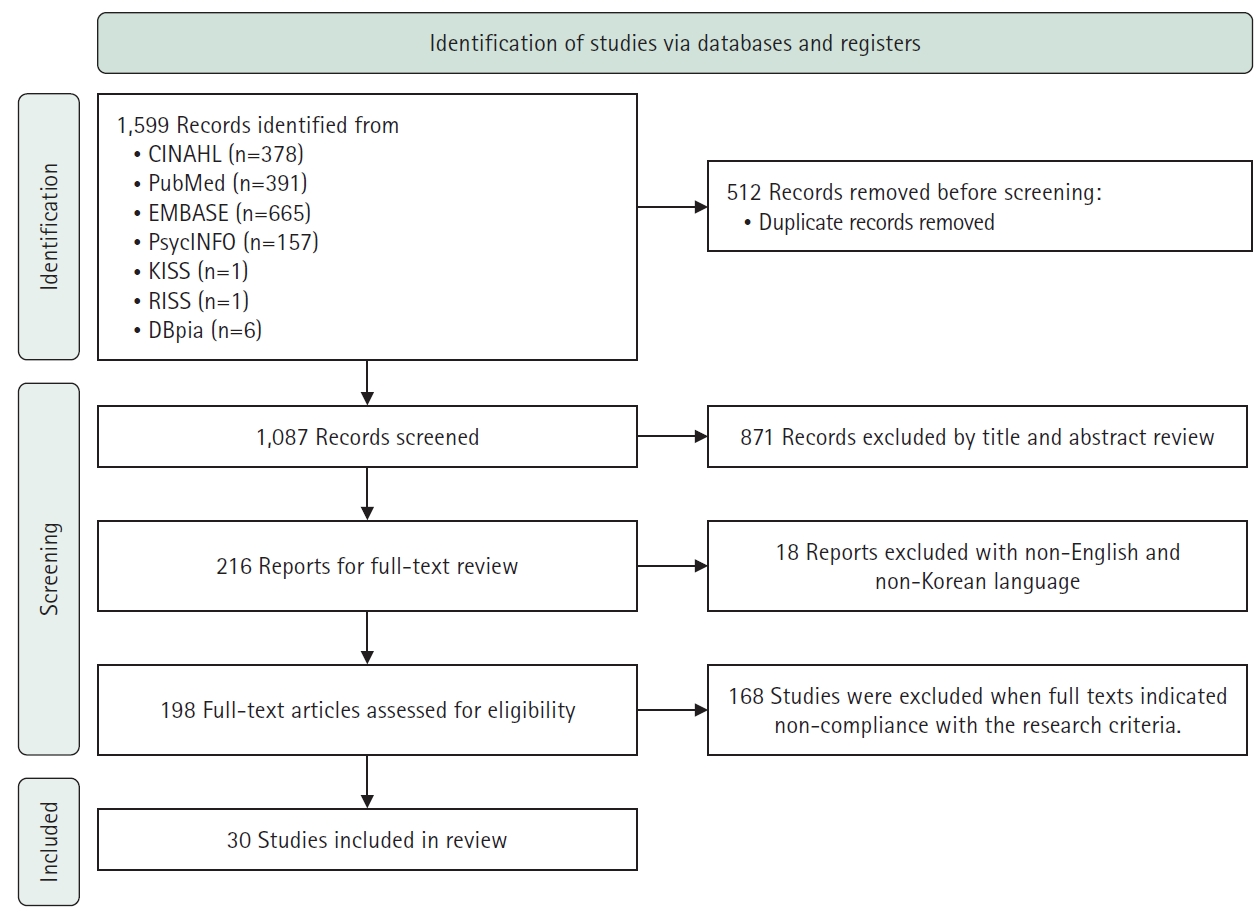
-
Abstract
PDFePub
- Purpose
This study aimed to understand the experiences of dialysis and their meaning among patients with chronic kidney disease through a meta-synthesis of the existing literature. Since 2010, the prevalence of end-stage renal disease has doubled in South Korea, which has the sixth-highest incidence worldwide. Although most kidney disease patients undergo dialysis to attenuate disease-related symptoms and prolong their lives, the implications of dialysis on their lives, together with the role played by patients’ significant others, remain underexplored. Similarly, existing research has not considered both patients with hemodialysis and peritoneal dialysis.
Methods
In this meta-synthesis, seven electronic databases (PubMed, CINAHL, EMBASE, PsycINFO, DBpia, KISS, and RISS) were searched for the terms “dialysis” and “qualitative.” Thirty qualitative studies were selected for examination.
Results
The overriding theme observed in the studies was “I do not have much time left.”–navigating the dual realities of one’s limited existence, while other key themes were: (1) the inevitable experience of the troubles of dialysis, (2) life is extended, but deteriorating in every aspect, (3) accepting dialysis with a positive outlook for life, and (4) essential support experienced in an exhausting life.
Conclusion
These findings are important for the design and delivery of practical and tailored nursing interventions to help patients overcome the various challenges related to dialysis treatment, and improve their quality of life.
- 5,294 View
- 226 Download
- Psychometric Properties of the Fall Risk Perception Questionnaire-Short Version for Inpatients in Acute Care Hospitals
- Jeeeun Choi, Sujin Lee, Eunjin Park, Sangha Ku, Sunhwa Kim, Wonhye Yu, Eunmi Jeong, Sukhee Park, Yusun Park, Hye Young Kim, Sung Reul Kim
- J Korean Acad Nurs 2024;54(2):151-161. Published online May 31, 2024
- DOI: https://doi.org/10.4040/jkan.23127
-
Abstract
PDF
- Purpose
Patients’ perception of fall risk is a promising new indicator for fall prevention. Therefore, a fall risk perception questionnaire that can be used rapidly and repeatedly in acute care settings is required. This study aimed to develop a short version of the fall risk perception questionnaire (Short-FRPQ) for inpatients.
Methods
For the psychometric measurements, 246 inpatients were recruited from an acute care hospital. The construct (using confirmatory factor analysis and discriminant validity of each item), convergent, and known-group validities were tested to determine the validity of the Short-FRPQ. McDonald’s omega coefficient was used to examine the internal consistency of reliability.
Results
In the confirmatory factor analysis, the fit indices of the Short-FRPQ, comprising 14 items and three factors, appeared to be satisfactory. The Short-FRPQ had a significantly positive correlation with the original scale, the Korean Falls Efficacy Scale-International, and the Morse Fall Scale. The risk of falls group, assessed using the Morse Fall Scale, had a higher score on the Short-FRPQ. McDonald’s omega coefficient was .90.
Conclusion
The Short-FRPQ presents good reliability and validity. As patient participation is essential in fall interventions, evaluating the fall risk perception of inpatients quickly and repeatedly using scales of acceptable validity and reliability is necessary. -
Citations
Citations to this article as recorded by- Gyógytornász-fizioterapeuták időskori eleséssel kapcsolatos tudásának, attitűdjének és gyakorlatának felmérésére szolgáló kérdőív kifejlesztése és validálása
András Simon, Anna Zsófia Kubik, Edit Boros, Richárdné Mayer, Éva Kovács
Orvosi Hetilap.2026; 167(21): 811. CrossRef
- Gyógytornász-fizioterapeuták időskori eleséssel kapcsolatos tudásának, attitűdjének és gyakorlatának felmérésére szolgáló kérdőív kifejlesztése és validálása
- 5,234 View
- 209 Download
- 1 Web of Science
- 1 Crossref
- The effects of a lifestyle intervention for men in infertile couples in South Korea: a non-randomized controlled trial
- Yun Mi Kim, Ju-Hee Nho
- J Korean Acad Nurs 2025;55(2):191-204. Published online April 16, 2025
- DOI: https://doi.org/10.4040/jkan.24104

-
Abstract
PDFePub
- Purpose
This study aimed to evaluate the effects of an interaction model of client health behavior (IMCHB)-based lifestyle intervention on health-promoting behaviors, infertility stress, fertility-related quality of life, and semen quality in men in infertile couples.
Methods
This study used a quasi-experimental, non-equivalent control group, pretest-posttest design, with participants divided into an experimental group (n=17) and a control group (n=19). The 16-session, 8-week intervention included components such as reproductive health education, physical activity, nutritional management, and stress management. Data collection occurred between July 1, 2021 and September 27, 2022. The outcomes measured included health-promoting behaviors, infertility stress, fertility-related quality of life, and sperm quality (volume, total motility, immobility, concentration, and normal morphology).
Results
The experimental group showed significant improvements in health-promoting behaviors (z=–2.27, p=.023) and reductions in infertility stress (t=–2.40, p=.022) compared to the control group. Total sperm motility (F=4.39, p=.045) and normal morphology (z=2.86, p=.017) were also significantly higher in the experimental group than in the control group.
Conclusion
The IMCHB-based lifestyle intervention significantly increased health-promoting behaviors, reduced infertility stress, and improved key sperm parameters, indicating its effectiveness in supporting the reproductive health of men in infertile couples. -
Citations
Citations to this article as recorded by- Psychological Stress and Male Infertility: Oxidative Stress as the Common Downstream Pathway
Aris Kaltsas, Stamatis Papaharitou, Fotios Dimitriadis, Michael Chrisofos, Nikolaos Sofikitis
Biomedicines.2026; 14(2): 259. CrossRef
- Psychological Stress and Male Infertility: Oxidative Stress as the Common Downstream Pathway
- 5,204 View
- 178 Download
- 1 Web of Science
- 1 Crossref
- Development of the Hybrid Clinical Practicum Environment Scale for Nursing Students
- Seoyoung Yoon, Hye-Ah Yeom
- J Korean Acad Nurs 2024;54(3):340-357. Published online August 31, 2024
- DOI: https://doi.org/10.4040/jkan.24016
-
Abstract
PDF
- Purpose
This study aimed to develop a Hybrid Clinical Practicum Environment Scale for Nursing Students (HCPES-NS) and verify its validity and reliability.
Methods
The HCPES-NS was constructed following the DeVellis guidelines. The initial items were written based on a literature review and individual in-depth interviews. Content validity was verified through an expert panel review. To confirm the validity and reliability of the scale, a survey was conducted with 449 nursing students enrolled in 12 nursing colleges. Data were analyzed using item analysis, exploratory factor analysis, confirmatory factor analysis, concurrent validity, and reliability tests.
Results
Factor analysis showed that the HCPES-NS consists of 15 items on five subdomains: clinical site atmosphere, interpersonal relationship, alternative online practicum contents, provision of learning information, and clinical performance facilitation. A higher score indicated a more positive perception of the clinical practicum environment. The concurrent validity of the HCPES-NS was confirmed by its positive correlation with the Clinical Learning Environment Scale (r = .77). The Cronbach’s α reliability of the HCPES-NS was .84.
Conclusion
The HCPES-NS is both valid and reliable. This scale reflects the clinical practicum environment and includes an online practicum factor. It may be used effectively by faculty members and educators to evaluate nursing students’ perceptions of clinical practicum environments. -
Citations
Citations to this article as recorded by- Measurement properties of instruments assessing the clinical learning environment in health professions education: a COSMIN-based systematic review
Matthias Michael Walter, Alexander P Schurz, Nele Adriaenssens, Evert Zinzen, Slavko Rogan
Journal of Educational Evaluation for Health Professions.2026; 23: 14. CrossRef - Environmental and Individual Factors Associated with Clinical Practice Stress in Korean Nursing Students: A Scoping Review
Ui Rim Song
Korean Journal of Adult Nursing.2025; 37(4): 355. CrossRef
- Measurement properties of instruments assessing the clinical learning environment in health professions education: a COSMIN-based systematic review
- 5,145 View
- 139 Download
- 1 Web of Science
- 2 Crossref
- Experiences of Unmarried Women Undergoing Planned Oocyte Cryopreservation
- Miok Kim, Kim Mingyoung
- J Korean Acad Nurs 2024;54(4):577-593. Published online November 30, 2024
- DOI: https://doi.org/10.4040/jkan.24064
-
Abstract
PDFePub
Purpose The present study investigated the experiences of unmarried women undergoing planned oocyte cryopreservation (OC).
Methods Data were collected from August 2022 to February 2023 through individual in-depth interviews with thirteen unmarried women undergoing planned OC. Data were analyzed using Colazzi’s phenomenological method.
Results The findings revealed four distinct clusters. The first cluster, “Safeguards against Future Uncertainty,” examined experiences associated with uncertainties in several aspects of reproductive health threats and decision-making regarding planned OC. The second cluster, “Indescribable Pain and Chaos,” explored the psychological and physical pain, complications, concerns about repeat procedures, and uncertainties about the use of frozen oocytes experienced during the planned OC process and afterward. The third cluster, “Motivation to Rebuild Resilience,” explored participants’ resilience in overcoming difficulties and shocks during the planned OC process and regaining their inner strength through the support of family and friends. The fourth cluster, “Finally Freeing the Mind,” focused on the sense of liberation from the pressure of marriage and childbirth, which enabled participants to engage in their present self and concentrate on self-stability and growth in preparation for the future.
Conclusion The present study enhances our understanding of the emotional difficulties and distress experienced by women considering OC, thereby assisting in improving approaches for psychological support and clinical management. Furthermore, providing insights into these first-hand experiences to women considering planned OC, healthcare professionals, and policymakers could help establish systems to support the decision-making process.
-
Citations
Citations to this article as recorded by- Informed opinion: the mating gap
Marcia C. Inhorn
Reproductive BioMedicine Online.2026; 53(1): 105732. CrossRef - The Experiences of Female Cancer Patients Undergoing Fertility Preservation: A Qualitative Study
Menekşe Nazlı Aker, Neslihan Yılmaz Sezer, Melek Hava Köprülü, Gülşah Kaya, Batuhan Özmen, Wenjun Mao
European Journal of Cancer Care.2025;[Epub] CrossRef
- Informed opinion: the mating gap
- 5,048 View
- 162 Download
- 2 Web of Science
- 2 Crossref
- Effects of an agro-healing program on depression, stress, and cognitive function in older adults: a quasi-experimental study
- Gyu Yeon Park, Kwang Ok Lee
- J Korean Acad Nurs 2025;55(3):342-352. Published online August 21, 2025
- DOI: https://doi.org/10.4040/jkan.25058

-
Abstract
PDFePub
- Purpose
This study aimed to evaluate the effects of an agro-healing program on depression, stress, and cognitive function in older adults.
Methods
A quasi-experimental, nonequivalent control group pretest–posttest design was used. The study was conducted from July 16 to September 6, 2024. Sixty-two individuals aged 65 or older residing in Gimcheon, Gyeongsangbuk-do, were recruited according to the selection criteria (31 in the experimental group and 31 in the control group). The final analysis included 30 participants in each group. The program was delivered by one main instructor (a healing farmer) and three assistants. The pretest assessed general characteristics, the Geriatric Depression Scale Short Form-Korean Version, Stress Response Inventory-Modified Form, and Cognitive Impairment Screening Test. The experimental group participated in the agro-healing program once a week for 90 minutes over 8 weeks. The posttest included the same measurements as the pretest. Data were analyzed using IBM SPSS ver. 23.0.
Results
The experimental group, which participated in the healing agriculture program, showed reduced depression (F=7.97, p=.007) and stress (F=282.70, p<.001) and improved cognitive function (F=10.12, p=.002) compared to the control group.
Conclusion
The findings suggest that the agro-healing program is an effective intervention for reducing depression and stress and improving cognitive function in older adults. We propose its use to promote health and prevent dementia in this population. -
Citations
Citations to this article as recorded by- The concept and characteristics of agro-healing foods: results from focus group interviews and a Delphi survey among experts
Dahye Han, Chae-Ryeon Kim, Jaesin Lee, Kyeong-a Jang, Sohyun Park
Journal of Nutrition and Health.2026; 59(3): 303. CrossRef
- The concept and characteristics of agro-healing foods: results from focus group interviews and a Delphi survey among experts
- 4,828 View
- 401 Download
- 1 Crossref
- Analysis of the Adequacy of Nurse Staffing Level through the Estimation of Nursing Activity Hours and Implementation of Focus Group Interviews in a Tertiary Hospital: Using a Mixed-Method Design
- Hyun-Joo Kim, Sun-Hee Lee, Jai-Jung Lee, Sun-Suk Seong, Hee Yang, Hyang-Yuol Lee
- J Korean Acad Nurs 2024;54(2):237-249. Published online May 31, 2024
- DOI: https://doi.org/10.4040/jkan.22142
-
Abstract
PDF
- Purpose
This study aimed to examine the adequacy of current nurse staffing levels by identifying nursing activities and workload.
Methods
The study used a mixed-method design. A nursing activity survey was conducted using the work sampling method over 2 working days with 119 general ward nurses. A focus group interview was conducted with 12 nurses. Quantitative and qualitative data were analyzed using SPSS 20.0 and content analysis, respectively.
Results
The most amount of time was spent on medication (in direct nursing) and electronic medical record documentation (in indirect nursing). The appropriate nurse-to-patient ratio is 1:7.7 for the day shift, 1:9.0 for the evening shift, and 1:11.9 for the night shift. However, the current nurse-to-patient ratio is 1:9.4, 1:11.0, and 1:13.8 for the day, evening, and night shifts, respectively. Therefore, the current nurse staffing level is insufficient for the workload. In the focus group interview, the main reasons cited for being unable to complete tasks within working hours were communication and coordination, and the nursing electronic medical record. The essential nursing activities of basic nursing and emotional support were overlooked owing to a heavy workload. Therefore, an adequate nurse staffing level should be higher than the measured quantitative workload.
Conclusion
These results suggest the general wards of tertiary hospitals should evaluate the adequacy of their current nurse staffing and allocate sufficient nurses to improve patient safety and nursing care quality. -
Citations
Citations to this article as recorded by- Impacts of Hematologic Cancer Ward Nurses' Professional Autonomy, Role Conflict and Nursing Work Environment on Clinical Decision-Making Ability
Min Jung Kim, Hye Sook Min
Asian Oncology Nursing.2026; 26(1): 41. CrossRef - Experiences of Surgical Ward Nurses During a Healthcare Service Disruption in Korea: A Qualitative Study
Sehyeon Im, Haeng-Mi Son
Asian Nursing Research.2026; 20(3): 337. CrossRef - Nurses' Experience Working with Substitute Nurses
Hye Mi Kim, Yeon Hee Kim, Jeong Hye Kim
Journal of Korean Association for Qualitative Research.2025; 10(3): 208. CrossRef - Development and Preliminary Evaluation of a Generative AI-Based Adaptive Aptitude Assessment Agent for Nursing Students
Eunmin Hong, Sujin Shin, Jaehwa Choi, Miji Lee, Minjae Lee, Subin Yu, Jinseon Ko
Journal of Korea Society for Simulation in Nursing.2025; 13(2): 81. CrossRef
- Impacts of Hematologic Cancer Ward Nurses' Professional Autonomy, Role Conflict and Nursing Work Environment on Clinical Decision-Making Ability
- 4,786 View
- 369 Download
- 2 Web of Science
- 4 Crossref
Review Paper
- Variables influencing digital health literacy in older adults: a systematic review and meta-analysis
- Jin Hwa Park, Eun Ju Mun
- J Korean Acad Nurs 2025;55(4):651-667. Published online November 27, 2025
- DOI: https://doi.org/10.4040/jkan.25112
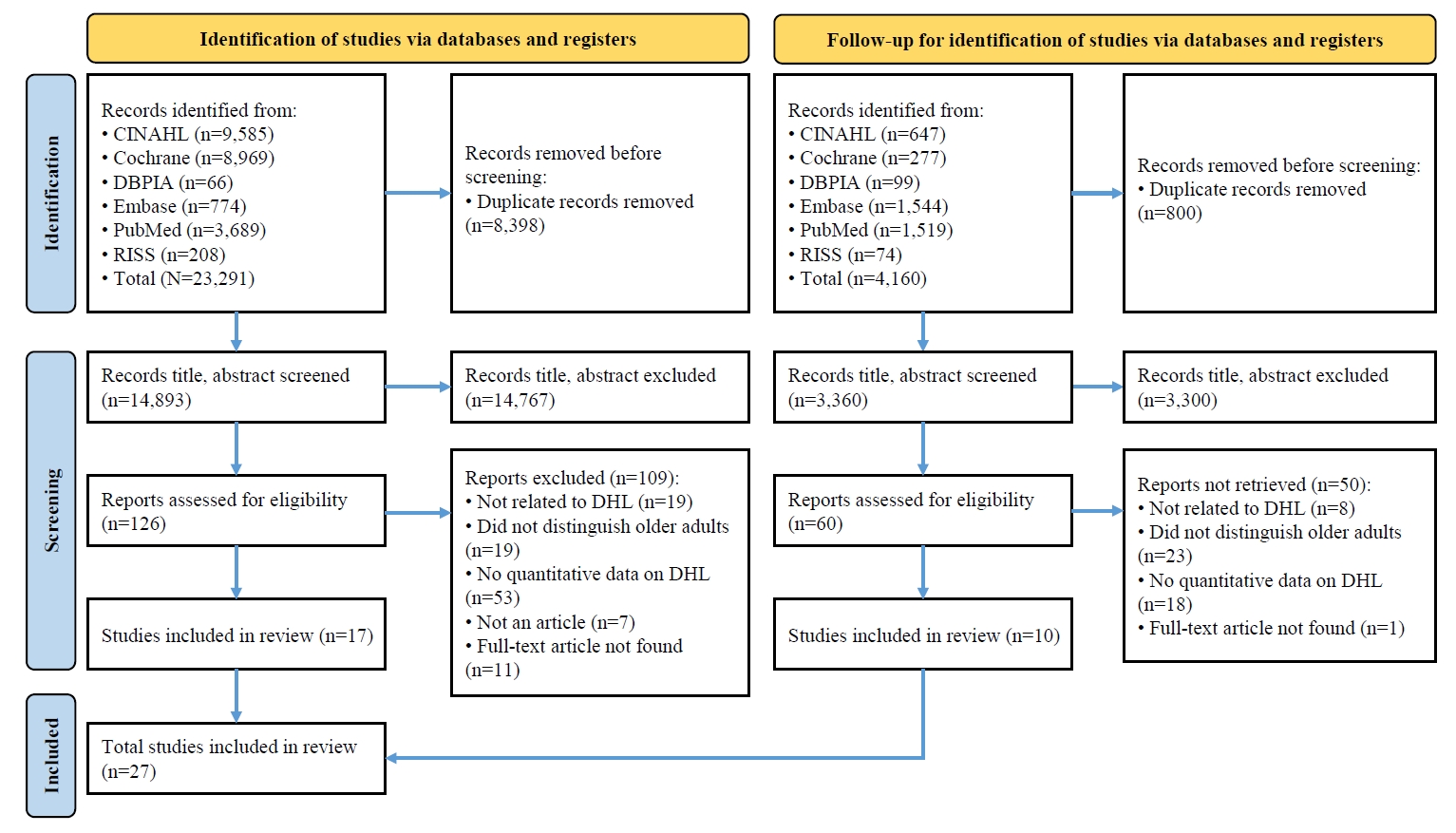
-
Abstract
PDFePub
- Purpose
This study aimed to synthesize existing evidence on digital health literacy (DHL) among older adults and to estimate the associations between related influencing factors through a systematic literature review and meta-analysis.
Methods
A systematic review and meta-analysis were conducted in accordance with the Preferred Reporting Items for Systematic Reviews and Meta-Analyses (PRISMA) and Meta-Analysis of Observational Studies in Epidemiology (MOOSE) guidelines. Literature searches were performed across PubMed, EMBASE, Cochrane Library, CINAHL, RISS, and DBPIA. The search and screening process was conducted from December 24, 2023, to March 31, 2025. Effect sizes (ESr) using correlation coefficient for each variable were calculated, and meta-analyses were performed using Microsoft Excel and R version 4.3.1.
Results
Forty-seven variables were identified, including two demographic, six physical, six behavioral, 23 psychosocial, and 10 cognitive factors. Meta-analysis results showed that physical, behavioral, psychosocial, and cognitive factors had significant effects on DHL. Among these, digital information level (ESr=.62; 95% confidence interval [CI], 0.55 to 0.69) within the cognitive domain and technophobia (ESr=−.55; 95% CI, −0.47 to −0.40) within the psychosocial domain demonstrated the largest ESr.
Conclusion
Among factors influencing DHL, digital information level and technophobia showed the strongest associations. These findings suggest that improving DHL in older adults requires a dual approach targeting both cognitive and psychosocial dimensions—enhancing digital information skills while reducing technophobia—to effectively support digital engagement and health empowerment in this population (PROSPERO registration number: CRD42023487486). -
Citations
Citations to this article as recorded by- 고령자를 위한 디지털 헬스 리터러시 측정척도의 적합도 검증
소윤 이
The Korean Journal of Physical Education.2026; 65(2): 157. CrossRef
- 고령자를 위한 디지털 헬스 리터러시 측정척도의 적합도 검증
- 4,766 View
- 380 Download
- 1 Crossref
Research Papers
- Impact of Anthropometric Indices of Obesity on the Risk of Incident Hypertension in Adults with Prehypertension: A Secondary Analysis of a Cohort Study
- Se Young Jang, Jihun Kim, Seonhwa Kim, Eun Sun Lee, Eun Jeong Choi
- J Korean Acad Nurs 2024;54(1):18-31. Published online February 29, 2024
- DOI: https://doi.org/10.4040/jkan.23067
-
Abstract
PDF
- Purpose
This study aimed to investigate the impact of anthropometric indices of obesity (body mass index [BMI], waist circumference, waist hip ratio, and body fat percentage) on the incidence of hypertension in adults with prehypertension.
Methods
A longitudinal study design using secondary data form the Korean Genome and Epidemiology Study was employed. The study included 1,838 adults with prehypertension tracked every two years from 2001 to 2018. Statistical analyses, including frequency assessments, number of cases per 1,000 person-years, log-rank tests, Kaplan-Meier curves, and Cox’s proportional hazards regression, were conducted using SPSS version 25.
Results
Over the observation period (15,783.6 person-years), 1,136 individuals developed hypertension. The incidence of hypertension was significantly higher in the obesity groups defined by BMI (hazard ratio [HR] = 1.33), waist circumference (HR = 1.34), waist hip ratio (HR = 1.29), and body fat percentage (HR = 1.31) compared to the non-obese group. These findings indicate an increased risk of hypertension associated with obesity as measured by these indices.
Conclusion
The study underscores the importance of avoiding obesity to prevent hypertension in individuals with prehypertension. Specifically, BMI, waist circumference, waist hip circumference, and body fat percentage were identified as significant risk factors for hypertension. The results suggest the need for individualized weight control interventions, emphasizing the role of health professionals in addressing the heightened hypertension risk in this population. -
Citations
Citations to this article as recorded by- Anthropometric predictors of hypertension among Moroccan adults: a cross-sectional study
Chourite Chaimaa, Khossossi Hanae, Eljakani Elhoucine, Fedouache Mohammed, Challal Ismail, Zaguiri Mohammed, Mouilly Mustapha
Frontiers in Public Health.2026;[Epub] CrossRef - Investigating the Gut Microbiota Profile in Prehypertensive Individuals Exhibiting Phlegm-Dampness Constitution
Ning Yu, Yaotang Yang, Guangyun Wang, Yanhong Wang, Mei Feng, Peilin Yang, Shuang Liu, Rui-rui Wang, Lei Zhang
Frontiers in Cellular and Infection Microbiology.2025;[Epub] CrossRef - Exploring the Relationship Between Inflammatory Biomarkers and Anthropometric Measures of Obesity in Healthy Adults: A Case Control Study
Dekra El-Aghbary, Rashad Thabet, Mohammed Almorish, Khaled AlSayaghi, Ahmed Elkhalifa
Diabetes, Metabolic Syndrome and Obesity.2025; Volume 18: 3403. CrossRef - Hypertension in College Students: Exploring the Prevalence and Risk Factors
Tabbetha Lopez, Laura Shelby, Yemisi Oguntuwase, Anna Sullivan, Linda Fergus
Food and Nutrition Sciences.2025; 16(02): 187. CrossRef - Association between body roundness index and psoriasis among US adults: a nationwide population-based study
Genlong Bai, Yuting Peng, Qian Liu, Xinyi Shao, Yuan Zhan, Aijun Chen, Jingbo Zhang
Lipids in Health and Disease.2024;[Epub] CrossRef
- Anthropometric predictors of hypertension among Moroccan adults: a cross-sectional study
- 4,748 View
- 160 Download
- 4 Web of Science
- 5 Crossref
- Media discourse on physician assistant nurses in South Korea: a text network and topic modeling approach
- Young Gyu Kwon, Daun Jeong, Song Hee Park, Mi Kyung Kim, Chan Woong Kim
- J Korean Acad Nurs 2025;55(3):388-399. Published online July 30, 2025
- DOI: https://doi.org/10.4040/jkan.25038
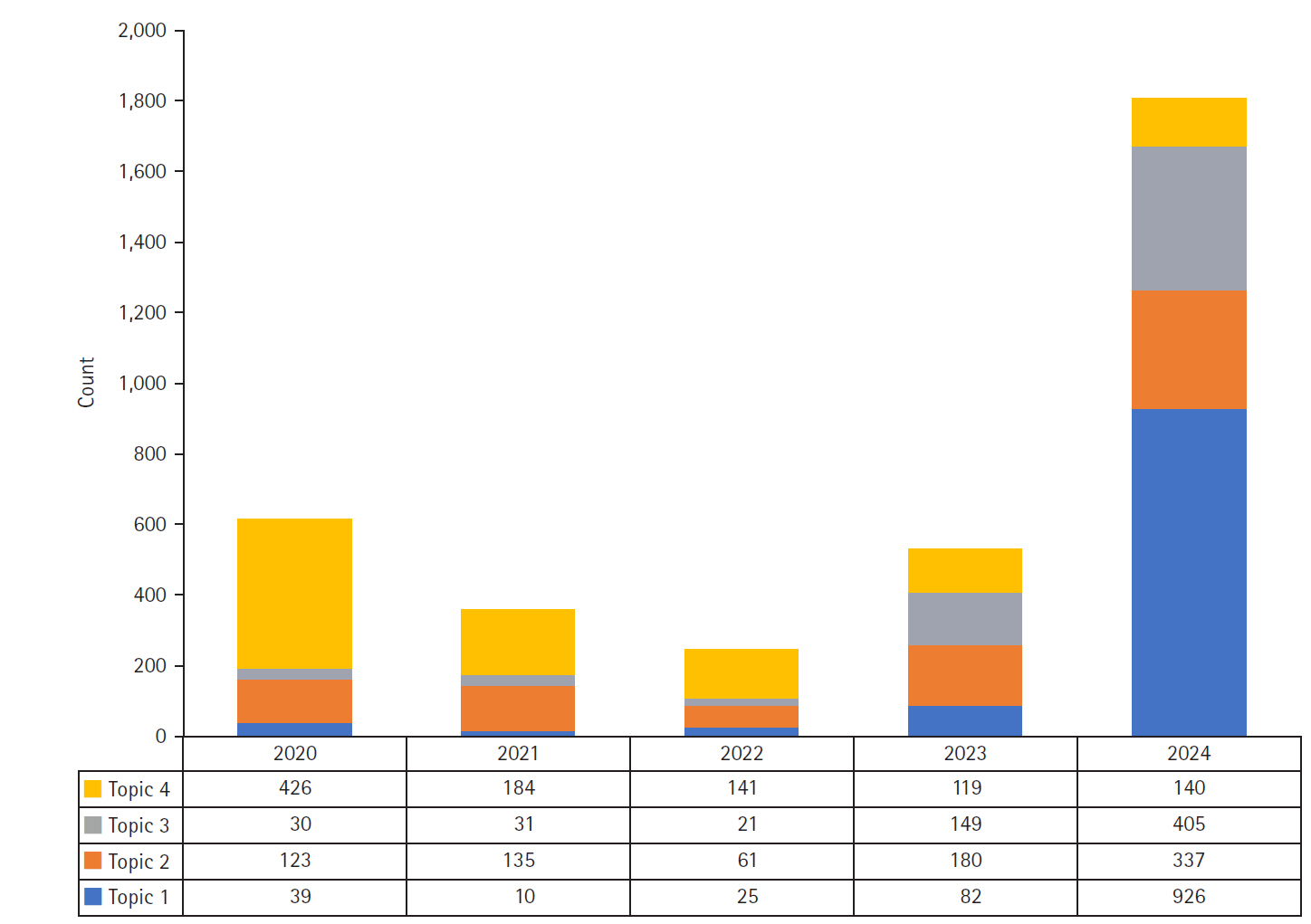
-
Abstract
PDFePub
- Purpose
This study quantitatively examined the portrayal of physician assistant (PA) nurses in Korean media by integrating text network analysis with latent Dirichlet allocation (LDA) topic modeling.
Methods
A total of 3,564 news articles published by nine major Korean media outlets between 2020 and 2024 were analyzed. Content analysis was conducted using term frequency-inverse document frequency calculations, network centrality analysis, and LDA topic modeling to extract key terms, map discourse structures, and identify latent topics.
Results
The analysis identified four primary topics in Korean media discourse: “healthcare workforce expansion policies” (30.4%), “hospital clinical practice and operational management” (23.5%), “institutionalization of the PA nursing role” (17.8%), and “COVID-19 response and public health crisis management” (28.3%). High-centrality keywords included “hospital,” “medical,” “patient,” “physician,” “government,” and “nurse,” indicating that the discourse primarily focused on clinical settings. Topic modeling revealed a major shift from pandemic-centered coverage in 2020 to a focus on healthcare workforce policy and PA nurse institutionalization in 2024, coinciding with the passage of the Nursing Act.
Conclusion
This study provides empirical evidence suggesting that the portrayal of PA nurses in Korean media discourse evolved from a peripheral regulatory issue to a central healthcare delivery solution, particularly in the contexts of workforce management, clinical practice, and crisis response. Our findings suggest that PA nurse institutionalization received broader attention when positioned as part of systemic healthcare improvements addressing concrete clinical needs. These results offer valuable insights for policymakers and administrators in framing and implementing workforce policy reforms. -
Citations
Citations to this article as recorded by- Impact of role conflict and job stress on turnover intention among Korean physician assistant nurses: A cross-sectional study
Jin-Won Lee, Eun-Hi Choi, Ji-Sun Back
International Journal of Nursing Sciences.2026; 13(2): 172. CrossRef
- Impact of role conflict and job stress on turnover intention among Korean physician assistant nurses: A cross-sectional study
- 4,654 View
- 155 Download
- 1 Web of Science
- 1 Crossref
- Development and Effectiveness Evaluation of Comprehensive Mobile-Based, Breastfeeding Promotion Program for Mothers with Gestational Diabetes
- Eunju Kwak, Seungmi Park
- J Korean Acad Nurs 2024;54(2):224-236. Published online May 31, 2024
- DOI: https://doi.org/10.4040/jkan.23098
-
Abstract
PDF
- Purpose
This study aimed to evaluate the effects of a mobile-based breastfeeding promotion program (M-BFGDM) that helps mothers with gestational diabetes.
Methods
Forty-seven mothers participated in the study, of whom 22 were in the experimental group and 25 in the control group. To verify the effects, a lag design before and after the non-equivalence control group was used. The data collection for the experimental group was done before and after the intervention.
Results
In the results, breastfeeding knowledge showed a significant difference in the interaction between measurement period and group (χ2 = 8.14, p = .017), whereas breastfeeding intention did not show a significant difference in the interaction (χ2 = 4.73, p = .094). There was no difference in self-efficacy interaction (F = 0.13, p = .856). The breastfeeding method showed no difference in interaction (F = 0.04, p = .952), whereas cross-analysis showed a significant difference in breastfeeding practice rate between the experimental group and the control group at 1 month postpartum (χ2 = 7.59, p = .006).
Conclusion
A mobile-based breastfeeding promotion program was developed and applied for gestational diabetic mothers, resulting in an increase in breastfeeding knowledge and an improvement in breastfeeding practice rate one month after childbirth. In addition, M-BFGDM managed to create a breastfeeding practice environment with fewer time and place restrictions. A program study that complements motivation is needed to improve breastfeeding in pregnant diabetic mothers in the future. -
Citations
Citations to this article as recorded by- Long-Term Effectiveness of a Mobile-Based Breastfeeding Program for Women with Gestational Diabetes: 6-Month Follow-Up of a Quasi-Experimental Study
Seungmi Park, Young Mi Ryu, Eunju Kwak
Healthcare.2026; 14(7): 917. CrossRef - Breastfeeding and education in the puerperium
Elena Alfonso
SAP Community and Interculturality in Dialogue.2025; 5: 129. CrossRef - The Effect of Immediate Skin‐to‐Skin Contact on Exclusive Breastfeeding: An Instrumental Variable Approach
Sangyun Lee, Yongnam Kim
Acta Paediatrica.2025; 114(9): 2367. CrossRef
- Long-Term Effectiveness of a Mobile-Based Breastfeeding Program for Women with Gestational Diabetes: 6-Month Follow-Up of a Quasi-Experimental Study
- 4,608 View
- 288 Download
- 2 Web of Science
- 3 Crossref
Review Paper
- Effects of Non-Pharmacological Interventions on Major Adverse Cardiac Events in Patients Underwent Percutaneous Coronary Intervention: Systematic Review and Meta-Analysis
- Sojeong Jo, Haejung Lee, Gaeun Park
- J Korean Acad Nurs 2024;54(3):311-328. Published online August 31, 2024
- DOI: https://doi.org/10.4040/jkan.24019
-
Abstract
PDF
- Purpose
In this study a systematic review and meta-analysis investigated the impact of non-pharmacological interventions on major adverse cardiac events (MACE) in patients with coronary artery disease who underwent percutaneous coronary intervention (PCI).
Methods
A literature search was performed using PubMed, Cochrane Library, EMBASE, and Cumulative Index to Nursing & Allied Health Literature databases up to November 2023. The risk of bias was assessed using the Cochrane Risk of Bias 2.0 tool. Effect sizes and 95% confidence intervals were calculated using R software (version 4.3.2).
Results
Eighteen randomized studies, involving 2,898 participants, were included. Of these, 16 studies with 2,697 participants provided quantitative data. Non-pharmacological interventions (education, exercise, and comprehensive) significantly reduced the risk of angina, heart failure, myocardial infarction, restenosis, cardiovascular-related readmission, and cardiovascular-related death. The subgroup meta-analysis showed that combined interventions were effective in reducing the occurrence of myocardial infarction (MI), and individual and group-based interventions had significant effects on reducing the occurrence of MACE. In interventions lasting seven months or longer, occurrence of decreased by 0.16 times, and mortality related to cardiovascular disease decreased by 0.44 times, showing that interventions lasting seven months or more were more effective in reducing MI and cardiovascular disease-related mortality.
Conclusion
Further investigations are required to assess the cost-effectiveness of these interventions in patients undergoing PCI and validate their short- and long-term effects. This systematic review underscores the potential of non-pharmacological interventions in decreasing the incidence of MACE and highlights the importance of continued research in this area (PROSPERO registration number: CRD42023462690). -
Citations
Citations to this article as recorded by- Exercise After Coronary Stenting: Potential Effects on in-Stent Restenosis
Luigi Spadafora, Stefano Cacciatore, Monica Salvi, Federico Russo, Lorenzo Lo Sasso, Attilio Lauretti, Francesco Perone, Nicola Pierucci, Pierre Sabouret, Giorgio Zangari, Alfredo De Vito, Giuseppe Biondi Zoccai, Marco Bernardi
Current Atherosclerosis Reports.2026;[Epub] CrossRef
- Exercise After Coronary Stenting: Potential Effects on in-Stent Restenosis
- 4,573 View
- 308 Download
- 1 Web of Science
- 1 Crossref
Research Papers
- Factors Influencing the Intention for Continual Fertility Treatments by the Women Undergoing Assisted Reproductive Technology Procedures: A Cross-Sectional Study
- Miok Kim, Minkyung Kim, Minkyung Ban
- J Korean Acad Nurs 2024;54(1):59-72. Published online February 29, 2024
- DOI: https://doi.org/10.4040/jkan.23095
-
Abstract
PDF
- Purpose
This cross-sectional study aimed to identify factors influencing the intention for continual fertility treatments among women undergoing assisted reproductive technology (ART).
Methods
A total of 197 women were recruited through convenience sample from fertility hospitals in Gyeonggi-do and Busan, South Korea. Data were collected using a self-report questionnaire incorporating measures of uncertainty; Depression Anxiety Stress Scales; Fatigue Severity Scale; Coping Scale for Infertility-Women; spousal support; treatment environment; and intention for continual fertility treatment. Descriptive statistics, chi-square tests, t-tests, and logistic regression analysis were conducted using IBM SPSS 26.0.
Results
As many as 70.6% of the participants expressed an intention for continual fertility treatments. Logistic regression analysis revealed that factors such as uncertainty (odds ratio [OR] = 0.44, 95% confidence interval [CI] 0.20~0.95), active coping (OR = 4.04, 95% CI 1.11~14.71), treatment environment (OR = 2.77, 95% CI 1.26~6.07), and the duration of marriage (OR = 2.61, 95% CI 1.24~5.49) were significantly related with this intention.
Conclusion
These findings underscore the significance of uncertainty management, having proactive coping strategies, having supportive treatment environments, and considering the duration of marriage concerning women’s intention for continual fertility treatment in the context of ART. The implications of these results extend to the development of nursing intervention programs aimed at providing crucial support for women undergoing ART and seeking to continue their infertility treatment. -
Citations
Citations to this article as recorded by- Effects of Uncertainty on Depression in Women Undergoing Assisted Reproductive Technology: The Mediating Role of Perceived Stigma and the Moderated Mediation by Spousal Support
Miok Kim
Nursing & Health Sciences.2026;[Epub] CrossRef - Effectiveness and Safety of Korean Medicine in Treating Female Infertility: A Prospective Multicenter Observational Study
Hyo-Jeong Jung, Dong-Il Kim, Su-Ji Choi, Jang-Kyung Park, Jin-Moo Lee
International Journal of Women's Health.2025; Volume 17: 1771. CrossRef - The experiences of infertile women discontinuing in vitro fertilization treatment: a grounded theory approach
Eunmi Park, Yeoungsuk Song
Journal of Korean Academy of Nursing.2025; 55(3): 440. CrossRef - Psychiatric Considerations of Infertility
Yoon Jung Hwang, Junhee Lee, Jihyun Hwang, Hyeonhee Sim, Namwoo Kim, Tae-Suk Kim
Psychiatry Investigation.2024; 21(11): 1175. CrossRef
- Effects of Uncertainty on Depression in Women Undergoing Assisted Reproductive Technology: The Mediating Role of Perceived Stigma and the Moderated Mediation by Spousal Support
- 4,561 View
- 185 Download
- 4 Web of Science
- 4 Crossref
- Development of a well-dying awareness scale for middle-aged adults in Korea: a mixed-methods study
- Yu Jin Jung, Eun Joung Choi
- J Korean Acad Nurs 2025;55(2):285-300. Published online March 28, 2025
- DOI: https://doi.org/10.4040/jkan.24121
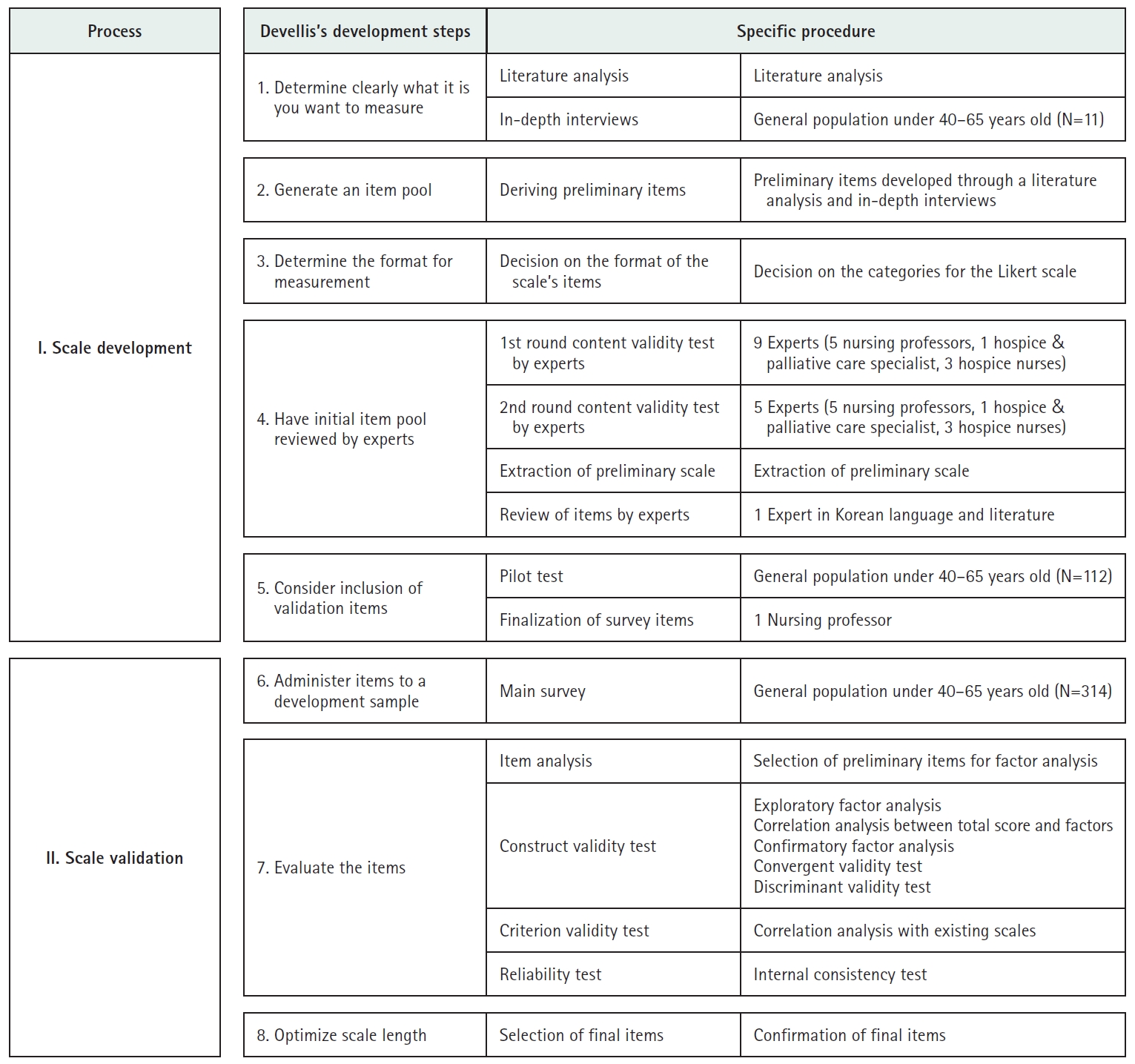
-
Abstract
PDFePub
- Purpose
This study aimed to develop a valid and reliable tool to measure awareness of well-dying among middle-aged adults.
Methods
A mixed-methods approach was adopted, consisting of a qualitative phase to identify the characteristics of well-dying and a quantitative phase to validate the instrument with middle-aged participants. Initially, 76 items were generated through a literature review and in-depth interviews, and these were reduced to 35 items through expert validation. A pilot survey was conducted with 112 individuals aged 40–65, selected via quota sampling from 17 administrative regions in South Korea. Based on the pilot survey results, the instrument was refined to 32 items for the main survey. The main survey included 314 participants recruited through quota sampling in Busan and Ulsan Metropolitan Cities and Gyeongsang Region. Exploratory factor analysis (EFA), confirmatory factor analysis (CFA), and reliability testing were performed to validate the instrument.
Results
The final scale comprised 23 items across six factors. EFA demonstrated an explanatory power of 69.1%, with factor loadings ranging from 0.53 to 0.88. CFA confirmed the instrument’s validity, and reliability was established with a Cronbach’s α of .93.
Conclusion
This instrument is a validated and reliable tool for measuring middle-aged individuals’ awareness of well-dying. It can serve as an effective resource for evaluating and assessing well-dying awareness in the middle-aged population. -
Citations
Citations to this article as recorded by- The Influence of Self-Esteem and Attitudes toward Organ Donation and Euthanasia on Attitudes toward Advance Directives in Married Middle-Aged Adults:
A Cross-Sectional Study
Eun-Ho Ha
Research in Community and Public Health Nursing.2026; 37: 136. CrossRef
- The Influence of Self-Esteem and Attitudes toward Organ Donation and Euthanasia on Attitudes toward Advance Directives in Married Middle-Aged Adults:
A Cross-Sectional Study
- 4,493 View
- 278 Download
- 1 Crossref
Review Paper
- Exploring Symptom Cluster Patterns in Adult Cancer Patients Undergoing Chemotherapy: A Systematic Review
- Pan Yang, Hui-juan Mei, Hao-yu Zhao, Rong-rong Wu, Yong-qin Ge, Yin Lu
- J Korean Acad Nurs 2024;54(4):478-494. Published online November 25, 2024
- DOI: https://doi.org/10.4040/jkan.24041
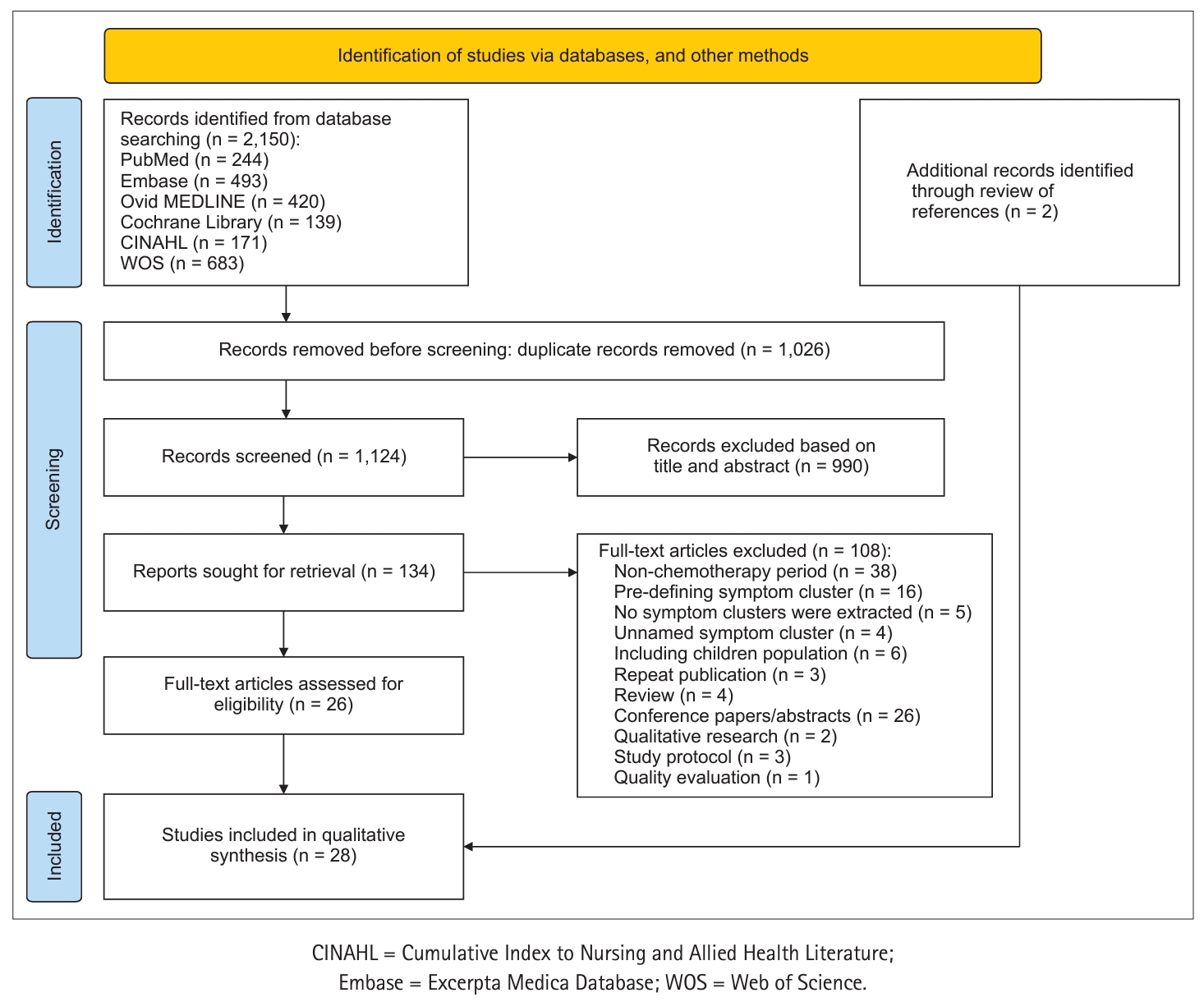
-
Abstract
PDFSupplementary MaterialePub
Purpose This systematic review aimed to scrutinize the progression of symptom cluster research in adult cancer patients who received primary or adjuvant chemotherapy between 2001 and 2023, providing a comprehensive understanding of clinical practice and future research.
Methods PubMed, Ovid MEDLINE, Excerpta Medica Database, Cumulative Index to Nursing and Allied Health Literature, Cochrane Library, and Web of Science databases were searched for theme words and free words related to symptom clusters, cancer, and chemotherapy. Eligible studies were published between January 1, 2001, and May 30, 2023; adults who were diagnosed with cancer and received primary or adjuvant chemotherapy were evaluated.
Results Twenty-eight studies were included in this review. The Memorial Symptom Assessment Scale emerged as the predominant instrument and exploratory factor analysis was the most frequently employed statistical method to identify symptom clusters. Psychological, gastrointestinal, and physical image symptom clusters were the most commonly delineated. Furthermore, the temporal stability of the symptom clusters showed varying dynamics, with psychological symptom clusters displaying relative consistency over time.
Conclusion Interventions are needed for the most common and stable symptoms in patients with cancer undergoing chemotherapy. Future endeavors may necessitate more longitudinal studies to delve deeper into the temporal stability and dynamic variations of symptom clusters. Such investigations hold promise for advancing symptom cluster research, elucidating the underlying mechanisms, and fostering the development of targeted interventions, thereby enriching the symptom management paradigm in oncological care.
-
Citations
Citations to this article as recorded by- Network analysis used to investigate the symptoms of cancer patients during chemotherapy: a scoping review
Xiaodan Shao, Na Wang, Ke Tang, Kunning Wang, Zhangyan Tan, Jiangxiu Xie, Zhiwei Shen, Yuting Jiang, Yan Zhang
Discover Oncology.2025;[Epub] CrossRef - Symptom cluster in patients with resected pancreatic cancer during adjuvant chemotherapy: A cross-sectional study
Yun Wang, Ningning Xia, Yuan Song, Neng Shi, Kuei-Ching Pan
Asia-Pacific Journal of Oncology Nursing.2025; 12: 100810. CrossRef
- Network analysis used to investigate the symptoms of cancer patients during chemotherapy: a scoping review
- 4,456 View
- 197 Download
- 2 Web of Science
- 2 Crossref
Research Papers
- Structural Equation Modeling of Health Promotion Behavior on Migrant Workers: A Multi-Group Analysis Based on the Period of Residence
- Hanna Jeong, Youngsuk Kim
- J Korean Acad Nurs 2024;54(1):73-92. Published online February 29, 2024
- DOI: https://doi.org/10.4040/jkan.23101
-
Abstract
PDF
- Purpose
This study developed and tested a hypothetical model of health promotion behavior on migrant workers based on the Health Promotion Model and the Health Literacy Skills Framework.
Methods
Data were collected from 298 migrant workers in 9 regions across the country from December 2020 to March 2021. The exogenous variables were e-health literacy, occupational stress, acculturation, and social support. The endogenous variables were perceived benefits of action, self-efficacy, and health promotion behavior. Data were analyzed using SPSS/WIN 25.0, AMOS 20.0, and R-4.0.3 program.
Results
The model fit was appropriate. Social support had the most significant direct impact on the health promotion behavior of migrant workers. Perceived benefits of action and self-efficacy played a mediating role in the relationship among e-health literacy, social support, and health promotion behavior. Based on multi-group analysis, the migrant worker group with less than 5 years of residency had a more statistically significant effect on the relationship between perceived benefits of action and health promotion behavior than those with over 5 years.
Conclusion
Providing social support as a critical administrative strategy to enhance the health promotion behavior of migrant workers is necessary. Furthermore, when developing an intervention program utilizing the internal mechanism between social support and health promotion behavior, a self-efficacy-enhancing strategy is considered to be more effective. Additionally, educating migrant workers with short-term residence of less than 5 years about the benefits of health behaviors is essential. -
Citations
Citations to this article as recorded by- Influence of Health Literacy and Psychological Well-being on Health Promotion Behavior in Military Personnel
Dong Jun Lee, Eun Sun So
Research in Community and Public Health Nursing.2026; 37: 90. CrossRef - Factors influencing cardiovascular health behaviors among Korean-Chinese migrant workers with metabolic syndrome using mixed methods
Yu Zhu Zhang, Seon Young Hwang
Scientific Reports.2025;[Epub] CrossRef - Factors Associated With Physical Activity in Home‐Based Rehabilitation Patients With Ankylosing Spondylitis: A Prospective Longitudinal Study
Heng‐Ying Fang, Ying‐Hua Pan, Yi‐Heng Zhang, Yu‐Hua Deng, Xiao‐Wen Li, Lei Huang, Hui‐Ting Gu, Yue Ding, Xin‐Xin Hu, Mu Liu, Rui‐Chong Wang, MeiFen Zhang
Musculoskeletal Care.2025;[Epub] CrossRef
- Influence of Health Literacy and Psychological Well-being on Health Promotion Behavior in Military Personnel
- 4,451 View
- 147 Download
- 3 Web of Science
- 3 Crossref
- Serial mediation effects of social support and antepartum depression on the relationship between fetal attachment and anxiety in high-risk pregnant couples of South Korea
- Mihyeon Park, Sukhee Ahn
- J Korean Acad Nurs 2025;55(1):19-33. Published online February 4, 2025
- DOI: https://doi.org/10.4040/jkan.24070
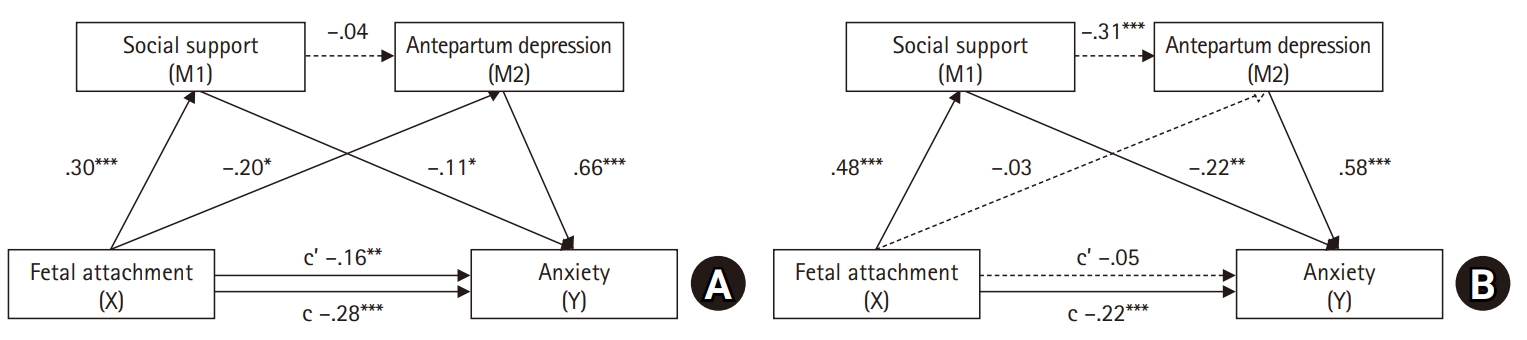
-
Abstract
PDFePub
- Purpose
This study examined the direct effects of fetal attachment, social support, and antepartum depression on anxiety in pregnant women with high-risk pregnancy-related conditions and their husbands. Furthermore, it aimed to explore the serial mediation effects of social support and antepartum depression in the relationship between fetal attachment and anxiety.
Methods
A survey-based study was conducted among pregnant women diagnosed with high-risk pregnancy conditions at 24–32 weeks and their husbands, recruited from a pregnant women’s online community between January 20, 2021 and July 20, 2022. Data were collected from 294 individuals (147 couples) using self-report questionnaires. Correlations between variables were analyzed using the IBM SPSS software ver. 26.0 (IBM Corp.), and the mediation effects were assessed using the PROCESS macro, model 6.
Results
In the maternal model, maternal-fetal attachment directly affected anxiety (p=.005), with antepartum depression partially mediating this relationship (95% confidence interval [CI], –0.26 to –0.01). In the paternal model, paternal-fetal attachment had no direct effect on anxiety (p=.458). However, social support and antepartum depression fully mediated the relationship between paternal-fetal attachment and anxiety (95% CI, –0.14 to –0.03).
Conclusion
The findings indicate that social support in the relationship between fetal attachment and depression in high-risk pregnant women and their partners can have direct or indirect effects on the negative emotions of high-risk pregnant couples. It is necessary to assess the level of anxiety in couples experiencing high-risk pregnancies and provide comprehensive nursing interventions that address fetal attachment, social support, and antepartum depression in order to reduce anxiety.
- 4,304 View
- 301 Download
- Effects of an integrated healthcare program for postpartum women: a quasi-experimental study
- Eun Suk Hwang, Ju-Hee Nho
- J Korean Acad Nurs 2025;55(4):506-518. Published online November 7, 2025
- DOI: https://doi.org/10.4040/jkan.25076
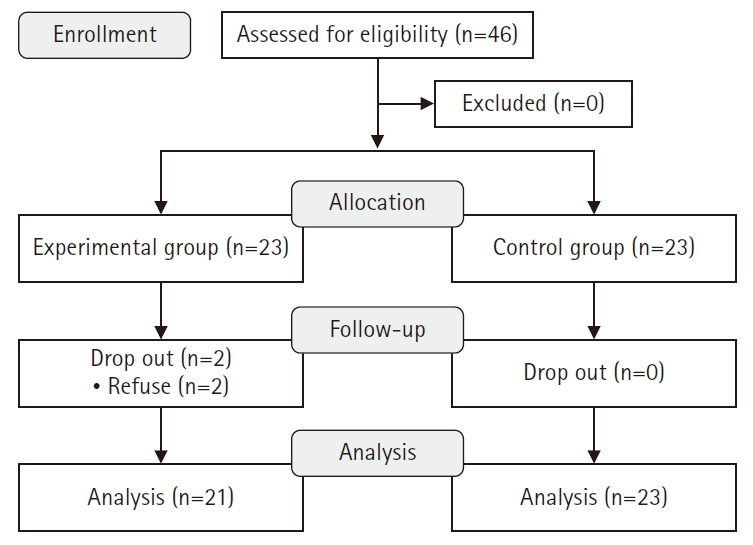
-
Abstract
PDFePub
- Purpose
This study aimed to develop and evaluate an integrated healthcare program for postpartum mothers based on Cox’s interaction model of client health behavior.
Methods
A non-equivalent control group pretest-posttest design was used. The integrated healthcare program was administered 6 times over 2 weeks to postpartum mothers in the experimental group (n=21), while the control group (n=23) received standard care. Data were collected from June 3 to July 15, 2024, through structured questionnaires measuring postpartum fatigue, depression, marital intimacy, and mother-infant attachment. Analyses were conducted using IBM SPSS ver. 23.0.
Results
The experimental group showed significantly lower postpartum fatigue (Z=–2.00, p=.023), a significantly proportion of improvement in postpartum depression (χ2=10.32, p=.012), and a significant increase in mother-infant attachment (t=1.70, p=.048) compared to the control group. However, there was no significant difference in marital intimacy between groups (Z=–0.46, p=.326).
Conclusion
These results suggest that an integrated health management program including physical health, psychological stability, and relational support can be used as an effective nursing intervention to promote health in postpartum mothers. Therefore, additional research is warranted that expands and applies integrated programs for postpartum mothers in various environments in postpartum care centers and communities.
- 4,275 View
- 529 Download
- Triglyceride-glucose parameters as predictors of diabetes mellitus incidence in Korean adults: a secondary analysis of a Prospective Cohort Study
- Yu Jin Park, Miseon Shin, Hyun Seon Jeon, Eun Hee Yang
- J Korean Acad Nurs 2025;55(2):205-221. Published online April 1, 2025
- DOI: https://doi.org/10.4040/jkan.24108
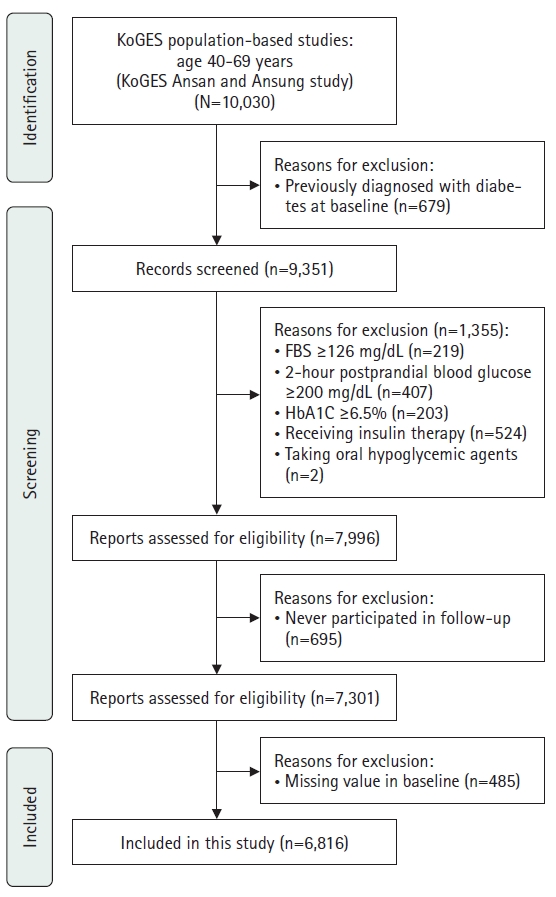
-
Abstract
PDFePub
- Purpose
This study aimed to evaluate the association between triglyceride-glucose (TyG)–related parameters and the incidence of diabetes mellitus in Korean adults. Data were obtained from the Korean Genome and Epidemiology Study (KoGES).
Methods
This secondary analysis examined data from 6,816 adults aged 40–69 years who participated in the KoGES from 2001 to 2020. TyG–related parameters, including the TyG index, TyG–body mass index (TyG–BMI), TyG–waist circumference (TyG–WC), and TyG–waist-to-height ratio (TyG–WHtR), were assessed. Cox proportional hazards models were employed to determine the association between these parameters and the incidence of diabetes mellitus, with adjustments made for demographic, lifestyle, and health-related characteristics.
Results
Higher levels of all TyG–related parameters were significantly associated with an increased risk of developing diabetes mellitus. Specifically, participants in the highest quartile of the TyG index, TyG–BMI, TyG–WC, and TyG–WHtR exhibited significantly higher hazard ratios for diabetes mellitus incidence compared with those in the lowest quartile (p<.001 for all). Notably, the TyG index demonstrated a stronger predictive value for diabetes mellitus than traditional measures such as the homeostatic model assessment of insulin resistance.
Conclusion
TyG–related parameters are robust predictors of diabetes mellitus incidence in Korean adults. These findings support the incorporation of TyG–related measures into clinical settings for the early identification and intervention of high-risk populations. Utilizing these parameters for early diagnosis and preventive strategies may significantly enhance diabetes mellitus management. -
Citations
Citations to this article as recorded by- Association between triglyceride glucose-body mass index and early-onset hypertension in South Korea: a nationwide cross-sectional study (2007–2023)
Yeongtaek Hwang, Yejun Son, Kyeongmin Lee, Taelim Choi, Seoyoung Park, Jiseung Kang, Louis Jacob, Lee Smith, Ho Geol Woo, Hyunjung Lim, Dong Keon Yon
Endocrine.2026;[Epub] CrossRef
- Association between triglyceride glucose-body mass index and early-onset hypertension in South Korea: a nationwide cross-sectional study (2007–2023)
- 4,220 View
- 222 Download
- 1 Web of Science
- 1 Crossref
- Impact of an integrated disease-specific nursing care model on parental anxiety and depression in severe hypospadias patients in China: a randomized controlled trial
- Ruijuan Wu, Lucai Jia, Biyu Ding, Ying Li, Yaqing Cao, Zhaojun Shi, Yanfang Yang
- J Korean Acad Nurs 2025;55(3):327-341. Published online August 12, 2025
- DOI: https://doi.org/10.4040/jkan.24147
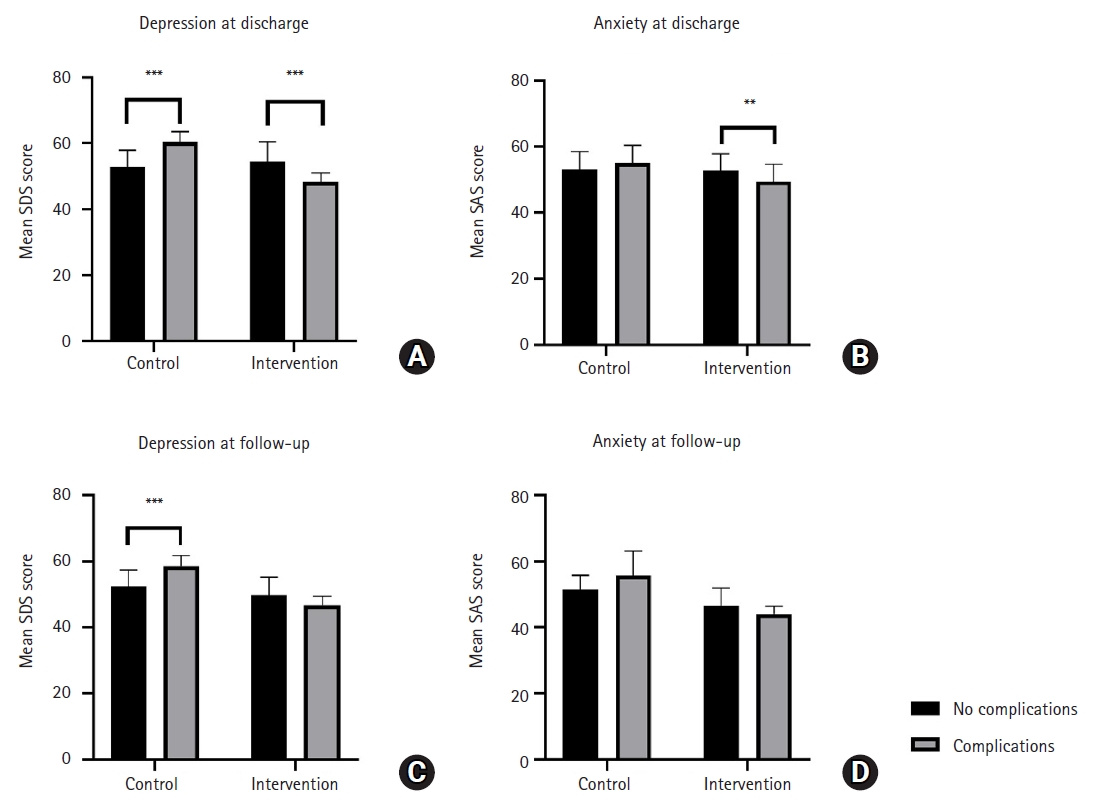
-
Abstract
PDFePub
- Purpose
This study aimed to explore the effects of an integrated disease-specific nursing care model on alleviating perioperative and post-surgical anxiety and depression in parents of children with severe hypospadias.
Methods
Parents of children with severe hypospadias were recruited and randomly allocated into a control group (n=87), which received standard nursing care, and an intervention group (n=93), which was given an integrated disease-specific nursing intervention in addition to standard care. Parental anxiety and depression were measured using the Self-Rating Anxiety Scale (SAS) and Self-Rating Depression Scale (SDS) at admission, discharge, and 6-month follow-up post-surgery.
Results
A linear mixed-effects model showed that SAS and SDS scores in the intervention group decreased to a significantly greater extent over time, from admission to follow-up, compared to the control group. Post-hoc analysis showed a trend for increased parental anxiety and depression among patients with complications at discharge and follow-up for the control group. Meanwhile, the intervention group exhibited a trend for decreased parental anxiety and depression among patients with complications at discharge and follow-up.
Conclusion
The integrated disease-specific nursing model significantly alleviated parental anxiety and depression over time compared to standard care, highlighting its effectiveness in supporting families of children with severe hypospadias. Notably, the intervention appeared to mitigate the negative emotional impact of postoperative and follow-up complications, suggesting its potential as a targeted approach to improve both emotional well-being and overall care outcomes.
- 4,208 View
- 219 Download
Review Paper
- Descriptive Review of Patents in Healthcare and Nursing: Based on Network Analysis
- Misun Jeon, Nayung Youn, Sanghee Kim
- J Korean Acad Nurs 2024;54(1):1-17. Published online February 29, 2024
- DOI: https://doi.org/10.4040/jkan.23064
-
Abstract
PDF
- Purpose
The significance of the healthcare industry has grown exponentially in recent years due to the impact of the fourth industrial revolution and the ongoing pandemic. Accordingly, this study aimed to examine domestic healthcare-related patents comprehensively. Big data analysis was used to present the trend and status of patents filed in nursing.
Methods
The descriptive review was conducted based on Grant and Booth’s descriptive review framework. Patents related to nursing was searched in the Korea Intellectual Property Rights Information Service between January 2016 to December 2020. Data analysis included descriptive statistics, phi-coefficient for correlations, and network analysis using the R program (version 4.2.2).
Results
Among 37,824 patents initially searched, 1,574 were selected based on the inclusion criteria. Nursing-related patents did not specify subjects, and many patents (41.4%) were related to treatment in the healthcare delivery phase. Furthermore, most patents (56.1%) were designed to increase effectiveness. The words frequently used in the titles of nursing-related patents were, in order, “artificial intelligence,” “health management,” and “medical information,” and the main terms with high connection centrality were “artificial intelligence” and “therapeutic system.” Conclusion: The industrialization of nursing is the best solution for developing the healthcare industry and national health promotion. Collaborations in education, research, and policy will help the nursing industry become a healthcare industry of the future. This will prime the enhancement of the national economy and public health.
- 4,036 View
- 115 Download
Research Paper
- Perceptual Factors Associated with Gestational Weight Gain: A Cross-Sectional Survey
- Sehee Kim, Sukhee Ahn
- J Korean Acad Nurs 2024;54(4):495-508. Published online November 1, 2024
- DOI: https://doi.org/10.4040/jkan.24052
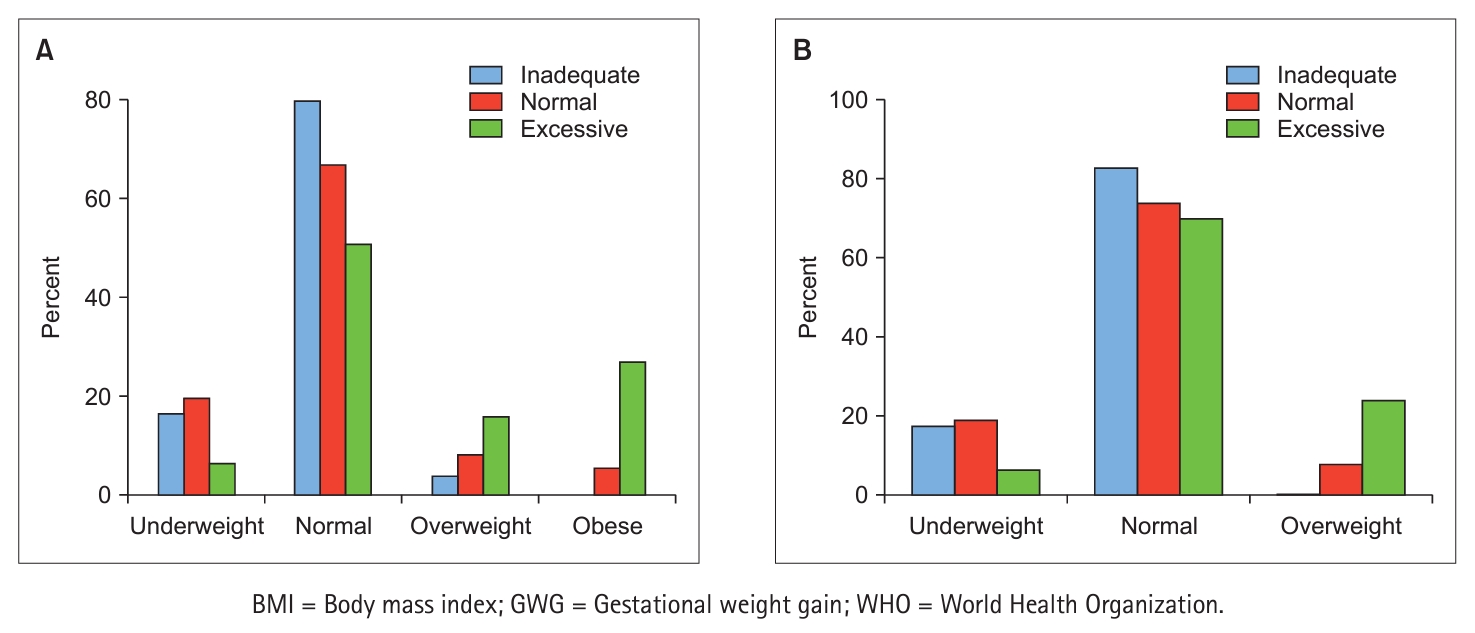
-
Abstract
PDFePub
Purpose Recent years have seen an increase in the number of pregnant women whose weight gain during pregnancy exceeds the recommended range. This study was intended to determine the relationships among demographic attributes, key perceptual factors, and gestational weight gain (GWG).
Methods This cross-sectional study was conducted between April and July 2022. First-time pregnant women beyond 36 weeks of gestation who were recruited via social media completed an online survey. Data were analyzed using one-way ANOVA, chi-square test, and logistic regression, all performed using SPSS software.
Results Of the 369 participants, 63 (17.1%) exceeded the recommended GWG guidelines, while 148 (40.1%) fell within the recommended range, and the remaining 158 (42.8%) had inadequate GWG. Being overweight or obese before pregnancy significantly increased the risk of excessive GWG (
p < .001). This risk was also significantly greater for women with low internal weight locus of control (OR = 0.58, 95% CI 0.41~0.82), high external weight locus of control (OR = 1.75, 95% CI 1.31~2.34), and negative body image (OR = 0.62, 95% CI 0.51~0.75).Conclusion The growing trend of excessive GWG among pregnant women is influenced by a combination of prepregnancy body mass index (BMI) and perceptual factors, including weight locus of control and body image. These findings underscore the need to implement weight management intervention strategies before pregnancy, taking into consideration BMI, and to enhance positive body image and internal locus of control.
-
Citations
Citations to this article as recorded by- Beyond the mirror: Exploring the impact of maternal body image attitudes on gestational weight gain and maternal and neonatal outcomes, a systematic review
Malshani Lakshika Pathirathna, Megumi Haruna, Hapugahapitiya Mohottalalage Renu Kalhari Geethani Nandasena, Atapattu Mudiyanselage Muditha Piumali, Ganegoda Widanage Umanda Dilrukshi Ganegoda
International Journal of Gynecology & Obstetrics.2026; 174(2): 671. CrossRef - Factors Associated With Gestational Weight Gain Among Nurses in Korea
Sook Jung Kang, Woon Young Hwang, Hyunju Dan, Sue Kim, Kwang-Pil Ko
Journal of Obstetric, Gynecologic, & Neonatal Nursing.2025; 54(5): 543. CrossRef - Attitudes toward body weight and shape during pregnancy among Japanese women who were underweight before pregnancy: A qualitative study
Chisato KOROGI, Mie SHIRAISHI, Kaori MATSUDA, Natsuki HORI, Hanna HORIGUCHI
Journal of Japan Academy of Midwifery.2025; 39(3): 456. CrossRef
- Beyond the mirror: Exploring the impact of maternal body image attitudes on gestational weight gain and maternal and neonatal outcomes, a systematic review
- 3,995 View
- 128 Download
- 2 Web of Science
- 3 Crossref
 First
First Prev
Prev


