
 Submit an article

Articles
- Page Path
- HOME > J Korean Acad Nurs > Volume 56(2); 2026 > Article
-
Review Paper
국내 이주민 건강 연구 동향, 2010–2021: 주제범위 문헌고찰 -
강수진1
 , 서복남2
 - Migrant health research in South Korea, 2010–2021: a scoping review
-
Soo Jin Kang1, Bok-Nam Seo2
-
Journal of Korean Academy of Nursing 2026;56(2):126-147.
DOI: https://doi.org/10.4040/jkan.25152
Published online: May 19, 2026
1대구대학교 간호대학 간호학과
2한국한의학연구원 임상연구협력팀
1Department of Nursing, Daegu University, Daegu, South Korea
2Clinical Research Coordinating Team, Korea Institute of Oriental Medicine, Daejeon, South Korea
- Corresponding author: Soo Jin Kang Department of Nursing, Daegu University, 33, Seongdang-ro 50-gil, Nam-gu, Daegu, 42400, South Korea E-mail: kangsj@daegu.ac.kr
• Received: November 10, 2025 • Revised: March 14, 2026 • Accepted: March 16, 2026
© 2026 Korean Society of Nursing Science
This is an Open Access article distributed under the terms of the Creative Commons Attribution NoDerivs License (http://creativecommons.org/licenses/by-nd/4.0) If the original work is properly cited and retained without any modification or reproduction, it can be used and re-distributed in any format and medium.
- 2,470 Views
- 235 Download


Abstract
-
Purpose
- This scoping review mapped research trends in migrant health in Korea and evaluated their alignment with global priorities.
-
Methods
- We conducted a scoping review using the Arksey and O’Malley framework. We searched PubMed, CINAHL, Scopus, KoreaMed, ScienceON, RISS, and KISS for articles published between 2010 and 2021, which defined the review period. The inclusion criteria were studies of adult migrants residing in Korea, primary empirical research, and academic journal articles with full text available in Korean or English. Two reviewers performed inductive coding and assigned each study to one primary subject area for frequency counts.
-
Results
- Of 1,669 records, 273 studies met the inclusion criteria. Marriage-migrant women were the most frequently studied group (56.4%), followed by migrant workers (20.5%) and international students (7.0%). Ten subject areas were identified. Mental health (56/273; 20.5%) and health status and quality of life (47/273; 17.2%) were the most common, whereas infection was the least common (6/273; 2.2%). According to World Health Organization priority areas, P4 (tackling the social determinants of health) was the most common (132/273; 48.4%), followed by P1 (promoting health through public health interventions) (73/273; 26.7%). P3 (mainstreaming health policies and fostering partnerships) and P5 (strengthening health monitoring and information systems) were minimally represented (6/273; 2.2% and 11/273; 4.0%, respectively).
-
Conclusion
- Migrant health research in Korea is heavily concentrated on individual-level topics and marriage-migrant populations, with limited evidence on policies, monitoring systems, and underserved groups (e.g., refugees and diverse populations). Future studies should diversify the populations examined, standardize national monitoring and linked data infrastructure, strengthen the P3 and P5 priority areas, and include more longitudinal, interventional, and policy evaluation research.
서론
방법
1) 연구질문 개발 및 도출
2) 연구검색
3) 문헌 선정
4) 자료 추출
5) 결과 분석, 요약, 보고
결과
1) 출간 연구 편수
2) 출간 언어와 데이터베이스
3) 연구방법 및 연구설계
4) 연구 자료원
5) 연구대상 집단
6) 연구대상자 수
7) 출간 저널
8) 연구주제별 이주민 집단 비교
(1) 구강 건강
(2) 감염
(3) 건강정보 및 의사소통
(4) 건강행위
(5) 여성 건강
(6) 정신건강
(7) 건강상태와 삶의 질
(8) 만성질환/대사질환
(9) 의료이용
(10) 직업 건강
고찰
결론
-
Conflicts of Interest
No potential conflict of interest relevant to this article was reported.
-
Acknowledgements
None.
-
Funding
This study was supported by the Daegu University Research Fund in 2025 (No. 2025-0262).
-
Data Sharing Statement
Please contact the corresponding author for data availability.
-
Supplementary Data
Supplementary data to this article can be found online at https://doi.org/10.4040/jkan.25152.
Supplementary Marterial 1. List of studies included in the scoping review
jkan-25152-Supplementary-Marterial-1.pdf
Supplementary Table 1. Summary of studies included in the scoping review
-
Author Contributions
Conceptualization: SJK. Data curation: SJK, BS. Final approval of the manuscript: all authors. Formal analysis: SJK, BS. Funding acquisition: SJK. Investigation: SJK, BS. Methodology: SJK. Project administration: SJK. Resources: SJK, BS. Software: SJK, BS. Supervision: SJK. Validation: SJK, BS. Visualization: SJK. Writing–original draft: SJK/ BS. Writing–review & editing: SJK/ BS.
Article Information
Fig. 1.PRISMA (Preferred Reporting Items for Systematic reviews and Meta-Analyses) 2020 flow diagram of study selection.
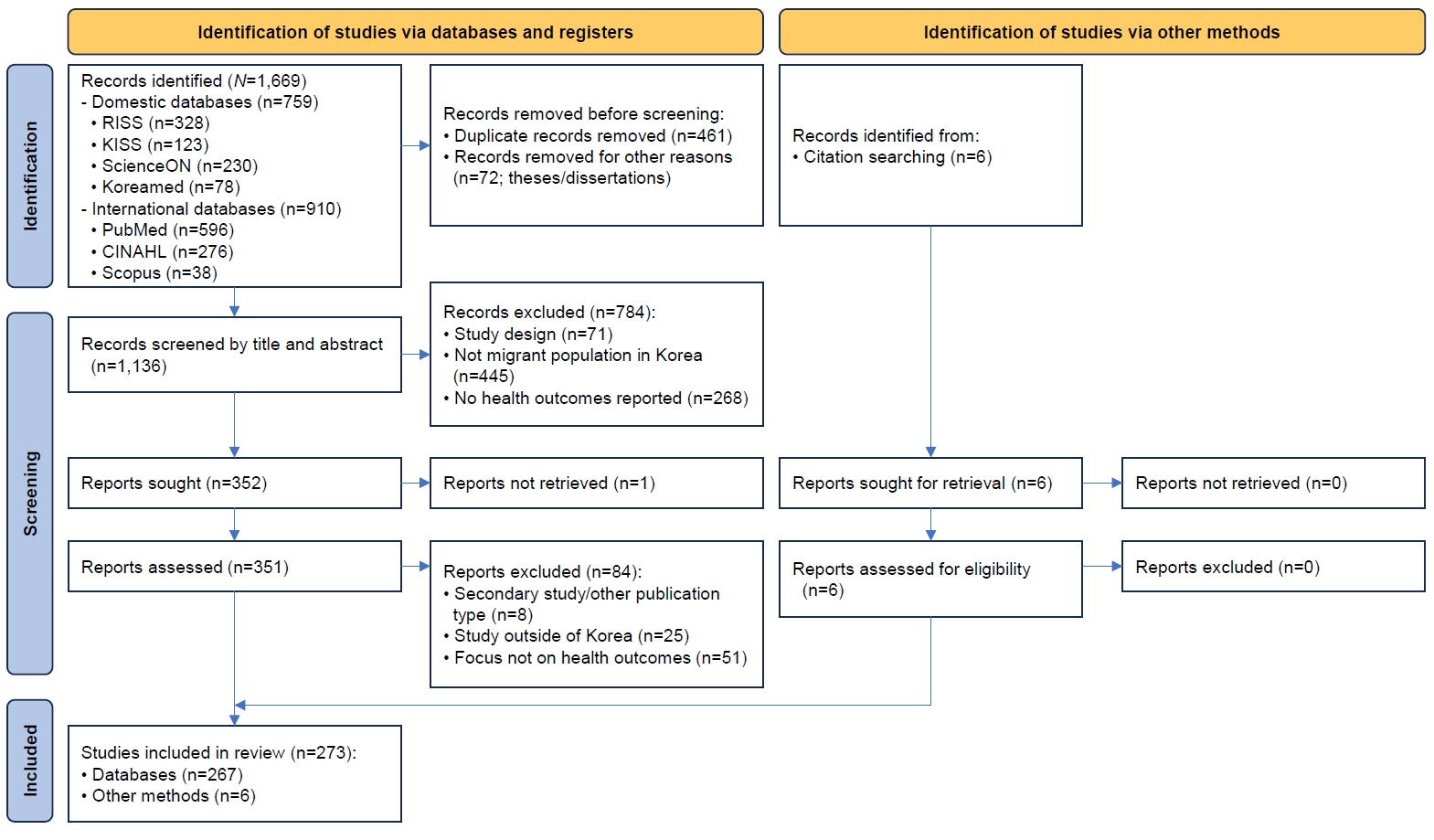
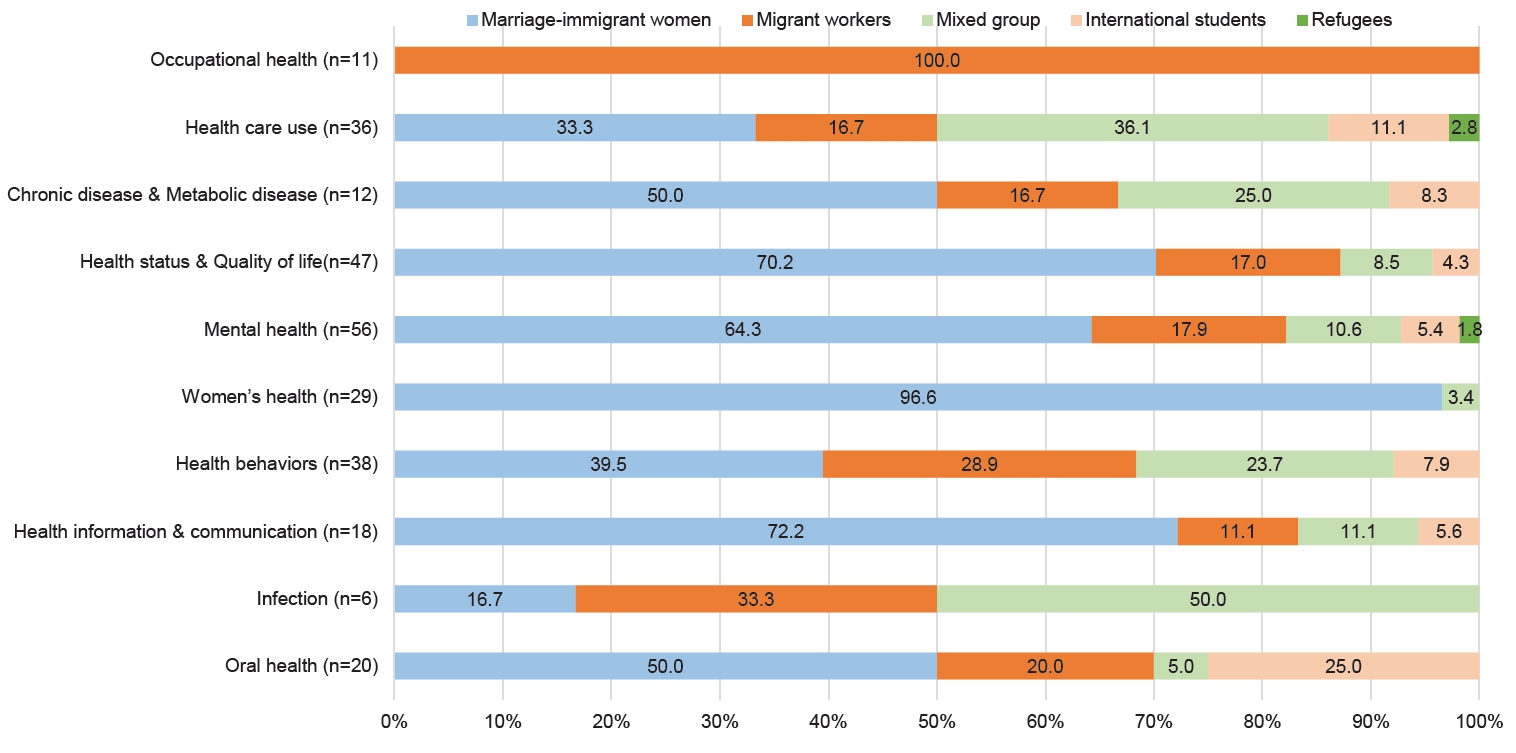
Fig. 3.Heatmap of study counts by research topic across World Health Organization Global Action Plan priorities (P1–P6). Each cell indicates the number of included studies mapped to a topic–priority combination; darker shading represents higher counts (range, 0–50). P1, promoting health through public health interventions; P2, promoting continuity of care and occupational health; P3, mainstreaming health policies and fostering partnerships; P4, tackling the social determinants of health; P5, strengthening health monitoring and information systems; P6, improving health communication and countering misperceptions.
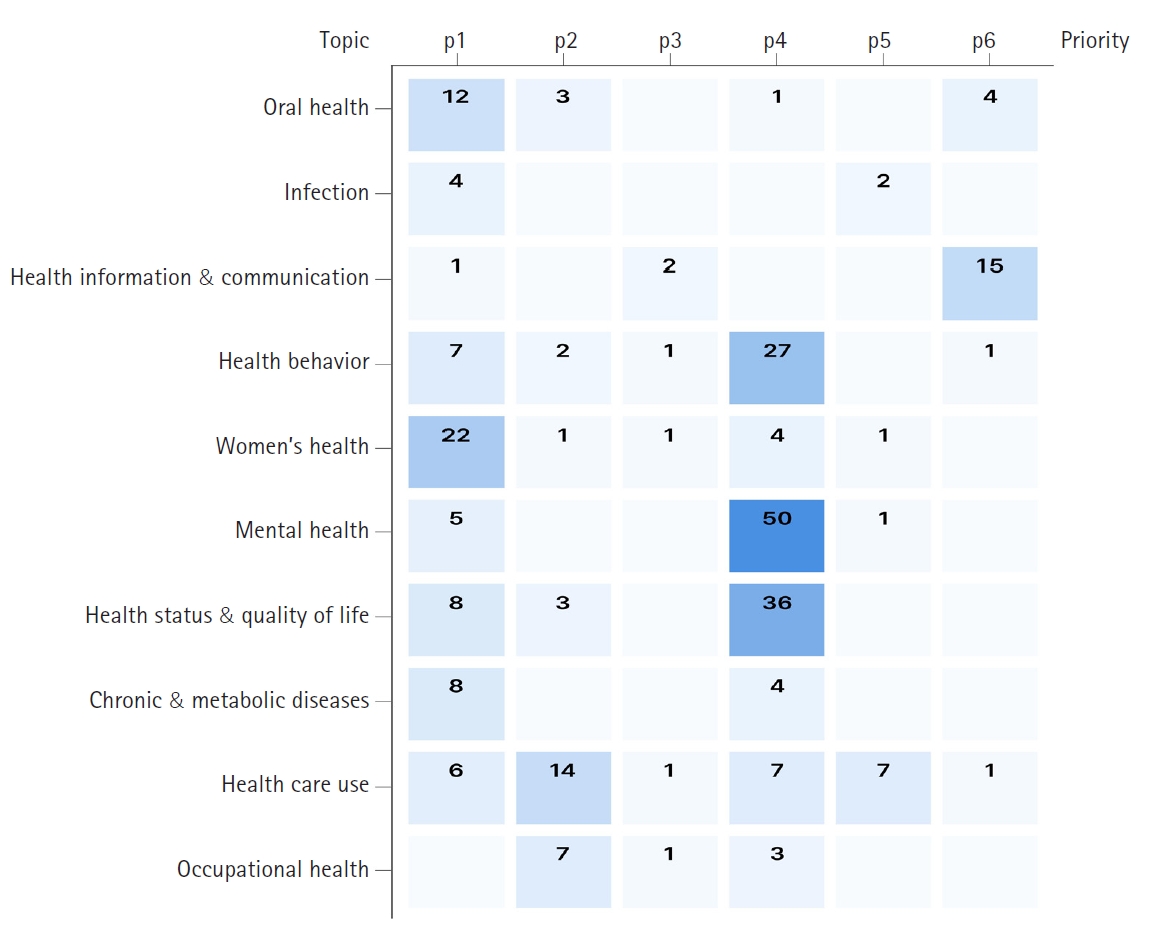
Table 1.General characteristics of the included studies (N=273)
Table 2.Content analysis of research topics and corresponding studies included in the analysis (N=273)
- 1. International Organization for Migration (IOM). Who is a migrant? [Internet]. IOM; 2018 [cited 2025 May 1]. Available from: https://www.iom.int/who-is-a-migrant
- 2. United Nations; Department of Economic and Social Affairs; Population Division. International migrant stock dataset (mid-2024 estimates) [Internet]. UN DESA; 2024 [cited 2025 Aug 7]. Available from: https://www.un.org/development/desa/pd/content/international-migrant-stock
- 3. Korea Immigration Service. Yearly statistics of foreign residents [Internet]. Ministry of Justice; 2010-2024 [cited 2025 Oct 23]. Available from: https://www.immigration.go.kr
- 4. Zimmerman C, Kiss L, Hossain M. Migration and health: a framework for 21st century policy-making. PLoS Med. 2011;8(5):e1001034. https://doi.org/10.1371/journal.pmed.1001034ArticlePubMedPMC
- 5. World Health Organization. WHO global action plan on promoting the health of refugees and migrants, 2019-2023 [Internet]. World Health Organization; 2019 [cited 2025 Oct 23]. Available from: https://apps.who.int/gb/ebwha/pdf_files/WHA72/A72_25Rev1-en.pdf
- 6. Jang J, Park M, Kang DK, Lee J. Challenges in health care for immigrants in Korea: health care providers’ perspectives. Immigration Policy Institute, Migration Research & Training Centre (MRTC); 2019. Report No.: 2019-10.
- 7. La Parra-Casado D, Stornes P, Solheim EF. Self-rated health and wellbeing among the working-age immigrant population in Western Europe: findings from the European social survey (2014) special module on the social determinants of health. Eur J Public Health. 2017;27(suppl_1):40-46. https://doi.org/10.1093/eurpub/ckw221Article
- 8. Hasan SI, Yee A, Rinaldi A, Azham AA, Mohd Hairi F, Amer Nordin AS. Prevalence of common mental health issues among migrant workers: a systematic review and meta-analysis. PLoS One. 2021;16(12):e0260221. https://doi.org/10.1371/journal.pone.0260221ArticlePubMedPMC
- 9. Burns R, Zhang CX, Patel P, Eley I, Campos-Matos I, Aldridge RW. Migration health research in the United Kingdom: a scoping review. J Migr Health. 2021;4:100061. https://doi.org/10.1016/j.jmh.2021.100061ArticlePubMedPMC
- 10. Petrie G, Angus K, O’Donnell R. A scoping review of academic and grey literature on migrant health research conducted in Scotland. BMC Public Health. 2024;24(1):1156. https://doi.org/10.1186/s12889-024-18628-1ArticlePubMedPMC
- 11. Laue J, Diaz E, Eriksen L, Risør T. Migration health research in Norway: a scoping review. Scand J Public Health. 2023;51(3):381-390. https://doi.org/10.1177/14034948211032494ArticlePubMedPMC
- 12. Villarroel N, Hannigan A, Severoni S, Puthoopparambil S, MacFarlane A. Migrant health research in the Republic of Ireland: a scoping review. BMC Public Health. 2019;19(1):324. https://doi.org/10.1186/s12889-019-6651-2ArticlePubMedPMC
- 13. Choi J, Lee H, Chae D. Trends in health-related research on foreign migrants living in Korea: review of published studies during the past 10 years (2000-2009). Korean J Health Educ Promot. 2011;28(3):113-128.
- 14. Ahn HM, Kim MO. Analysis of health related intervention research for married immigrant women. J Digit Converg. 2016;14(12):245-256. https://doi.org/10.14400/JDC.2016.14.12.245Article
- 15. Lee SJ, Jin X, Lee S. Intervention for married immigrant women in Korea: a systematic review. J Korean Soc Matern Child Health. 2021;25(2):99-108. https://doi.org/10.21896/jksmch.2021.25.2.99Article
- 16. Choi JH, Choi ES. Trends of married female immigrants research in the nursing-related journals. J Kyungpook Nurs Sci [Internet]. 2011 [cited 2025 Oct 23];15(2):51-58. Available from: https://www.kci.go.kr/kciportal/ci/sereArticleSearch/ciSereArtiView.kci?sereArticleSearchBean.artiId=ART002551295
- 17. Choi J, Park E, Jun J, Lee HL, Kwak Y, Chun H, et al. A scoping review of health research on female marriage migrants. Health Soc Welf Rev. 2025;45(3):357-382. https://doi.org/10.15709/hswr.2025.45.3.357Article
- 18. Kim JH, Park SJ, Lee J. Effects of intervention for health promotion of foreign workers: a systematic review. J Korea Converg Soc. 2018;9(9):407-420. https://doi.org/10.15207/JKCS.2018.9.9.407Article
- 19. Yang Y, Kim HY. Network analysis for trends in health-related research on immigrant workers living in Korea: during the past 10 years (2010-2019). Korean Public Health Res. 2021;47(1):59-75. https://doi.org/10.22900/kphr.2021.47.1.006Article
- 20. World Health Organization Regional Office for Europe. Strategy and action plan for refugee and migrant health in the WHO European Region, 2016-2022 [Internet]. WHO Regional Office for Europe; 2016 [cited 2025 Oct 23]. Available from: https://iris.who.int/handle/10665/326043
- 21. World Health Organization. Extension of the WHO global action plan on promoting the health of refugees and migrants, 2019-2023 to 2030 [Internet]. World Health Organization; 2023 [cited 2025 Mar 14]. Available from: https://apps.who.int/gb/ebwha/pdf_files/WHA76/A76_R14-en.pdf
- 22. Arksey H, O'Malley L. Scoping studies: towards a methodological framework. Int J Soc Res Methodol. 2005;8(1):19-32. https://doi.org/10.1080/1364557032000119616Article
- 23. Peters MD, Godfrey C, McInerney P, Munn Z, Tricco AC, Khalil H. Scoping reviews. In: Aromataris E, Lockwood C, Porritt K, Pilla B, Jordan Z, editors. JBI manual for evidence synthesis [Internet]. JBI; 2020 [cited 2025 Oct 23]. Available from: https://synthesismanual.jbi.global
- 24. Ministry of Justice; Statistics Korea. 2024 Survey on immigrants’ living conditions and labour force [Internet]. Ministry of Justice; 2024 [cited 2025 Nov 8]. Available from: https://mojhome.moj.go.kr/immigration/1568/subview.do
- 25. Walker SN, Sechrist KR, Pender NJ. The Health-Promoting Lifestyle Profile: development and psychometric characteristics. Nurs Res. 1987;36(2):76-81. PubMed
- 26. Castañeda H, Holmes SM, Madrigal DS, Young ME, Beyeler N, Quesada J. Immigration as a social determinant of health. Annu Rev Public Health. 2015;36:375-392. https://doi.org/10.1146/annurev-publhealth-032013-182419ArticlePubMed
- 27. Hertzman C. The biological embedding of early experience and its effects on health in adulthood. Ann N Y Acad Sci. 1999;896(1):85-95. https://doi.org/10.1111/j.1749-6632.1999.tb08107.xArticlePubMed
- 28. Shonkoff JP, Boyce WT, Levitt P, Martinez FD, McEwen B. Leveraging the biology of adversity and resilience to transform pediatric practice. Pediatrics. 2021;147(2):e20193845. https://doi.org/10.1542/peds.2019-3845ArticlePubMed
- 29. McEwen BS, Stellar E. Stress and the individual. Mechanisms leading to disease. Arch Intern Med. 1993;153(18):2093-2101. https://doi.org/10.1001/archinte.1993.00410180039004ArticlePubMed
- 30. Langellier BA, Fleming PJ, Kemmick Pintor JB, Stimpson JP. Allostatic load among U.S.- and foreign-born Whites, Blacks, and Latinx. Am J Prev Med. 2021;60(2):159-168. https://doi.org/10.1016/j.amepre.2020.08.022ArticlePubMed
- 31. Gonzalez-Guarda RM, Stafford AM, Nagy GA, Befus DR, Conklin JL. A systematic review of physical health consequences and acculturation stress among Latinx individuals in the United States. Biol Res Nurs. 2021;23(3):362-374. https://doi.org/10.1177/1099800420968889ArticlePubMedPMC
- 32. Kang SJ, Hyung JA, Han HR. Health literacy and health care experiences of migrant workers during the COVID-19 pandemic: a qualitative study. BMC Public Health. 2022;22(1):2053. https://doi.org/10.1186/s12889-022-14487-wArticlePubMedPMC
- 33. Lee SY, Kim WH, Heo J. Migrant well-being and undocumented status in South Korea: a cross-sectional assessment of physical, psychological, social well-being, and health behaviors. Int J Equity Health. 2024;23(1):38. https://doi.org/10.1186/s12939-024-02126-2ArticlePubMedPMC
- 34. Elshahat S, Moffat T, Newbold KB. Understanding the healthy immigrant effect in the context of mental health challenges: a systematic critical review. J Immigr Minor Health. 2022;24(6):1564-1579. https://doi.org/10.1007/s10903-021-01313-5ArticlePubMedPMC
- 35. Bozorgmehr K, McKee M, Azzopardi-Muscat N, Bartovic J, Campos-Matos I, Gerganova TI, et al. Integration of migrant and refugee data in health information systems in Europe: advancing evidence, policy and practice. Lancet Reg Health Eur. 2023;34:100744. https://doi.org/10.1016/j.lanepe.2023.100744ArticlePubMedPMC
- 36. Ministry of Justice. The 4th master plan for immigration policy (2023-2027) [Internet]. Ministry of Justice; 2024 [cited 2026 Mar 7]. Available from: https://www.moj.go.kr/bbs/moj/164/578948/artclView.do
- 37. Statistics Canada. Longitudinal Survey of Immigrants to Canada (LSIC) [Internet]. Statistics Canada; 2007 [cited 2025 Oct 11]. Available from: https://www23.statcan.gc.ca/imdb/p2SV.pl?Function=getSurvey&SDDS=4422
- 38. Princeton University. New Immigrant Survey (NIS) [Internet]. Office of Population Research; c2025 [cited 2025 Oct 11]. Available from: https://dss.princeton.edu/catalog/resource407
- 39. Institute for Employment Research (IAB); Research Data Centre (FDZ). IAB-SOEP Migration Sample (IAB-SOEP MIG) [Internet]. IAB/FDZ; 2025 [cited 2025 Oct 24]. Available from: https://fdz.iab.de/en/our-data-products/individual-and-household-data/iab-soep-mig/
- 40. Kim DW, Lee CW, Choi SR, Park MJ, Shin HW. An exploratory study for the establishment of the Immigrants Panel Survey. Migration Research and Training Centre; 2021. Report No.: 2021-03.
References
Appendix
Appendix Table 1.
Appendix Figure 1.
Appendix Table 2.
Appendix Table 3.
Appendix Table 4.
Figure & Data
REFERENCES
Citations
Citations to this article as recorded by 
 ePub Link
 Cite
Cite XML Download
Migrant health research in South Korea, 2010–2021: a scoping review
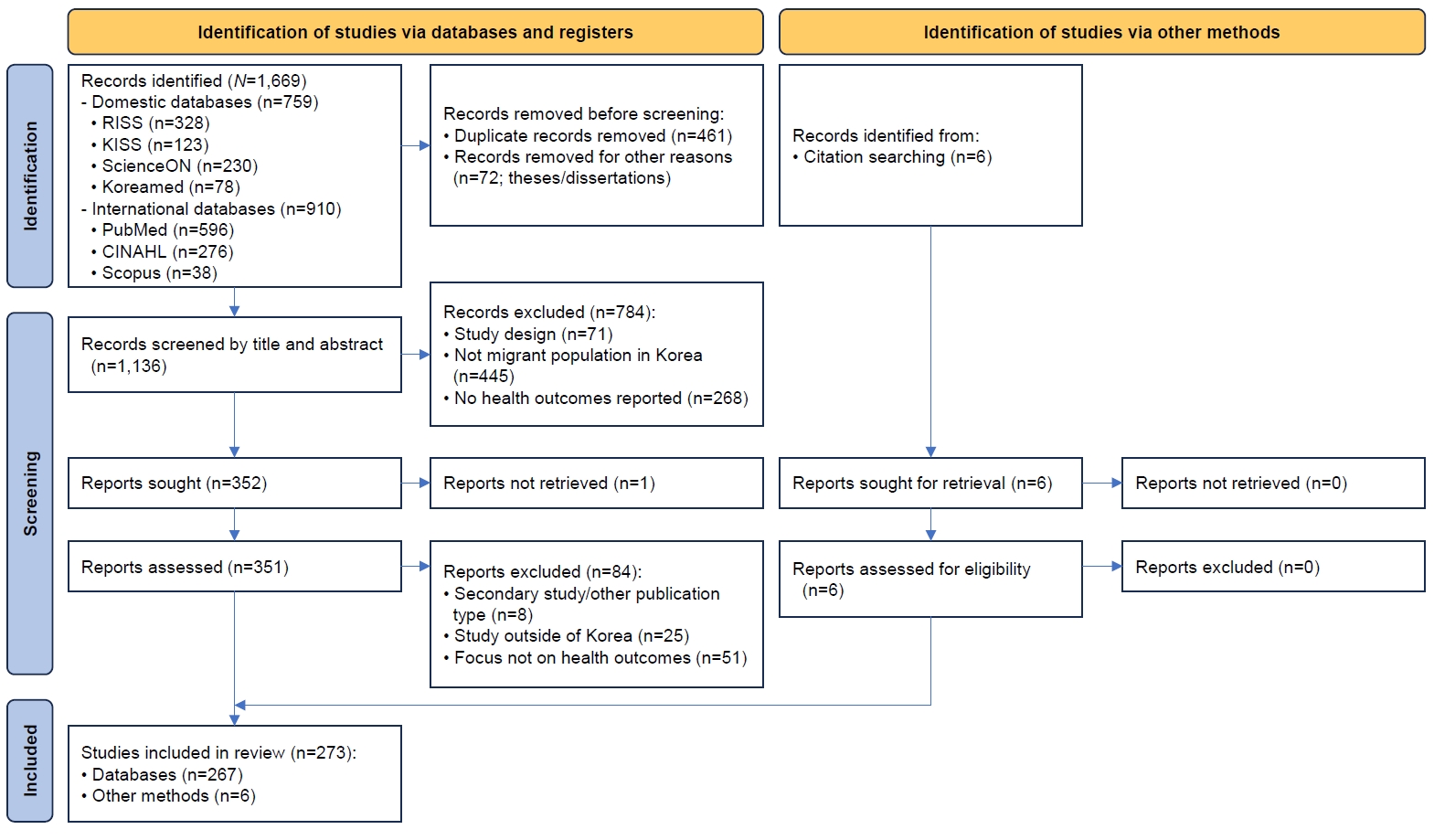
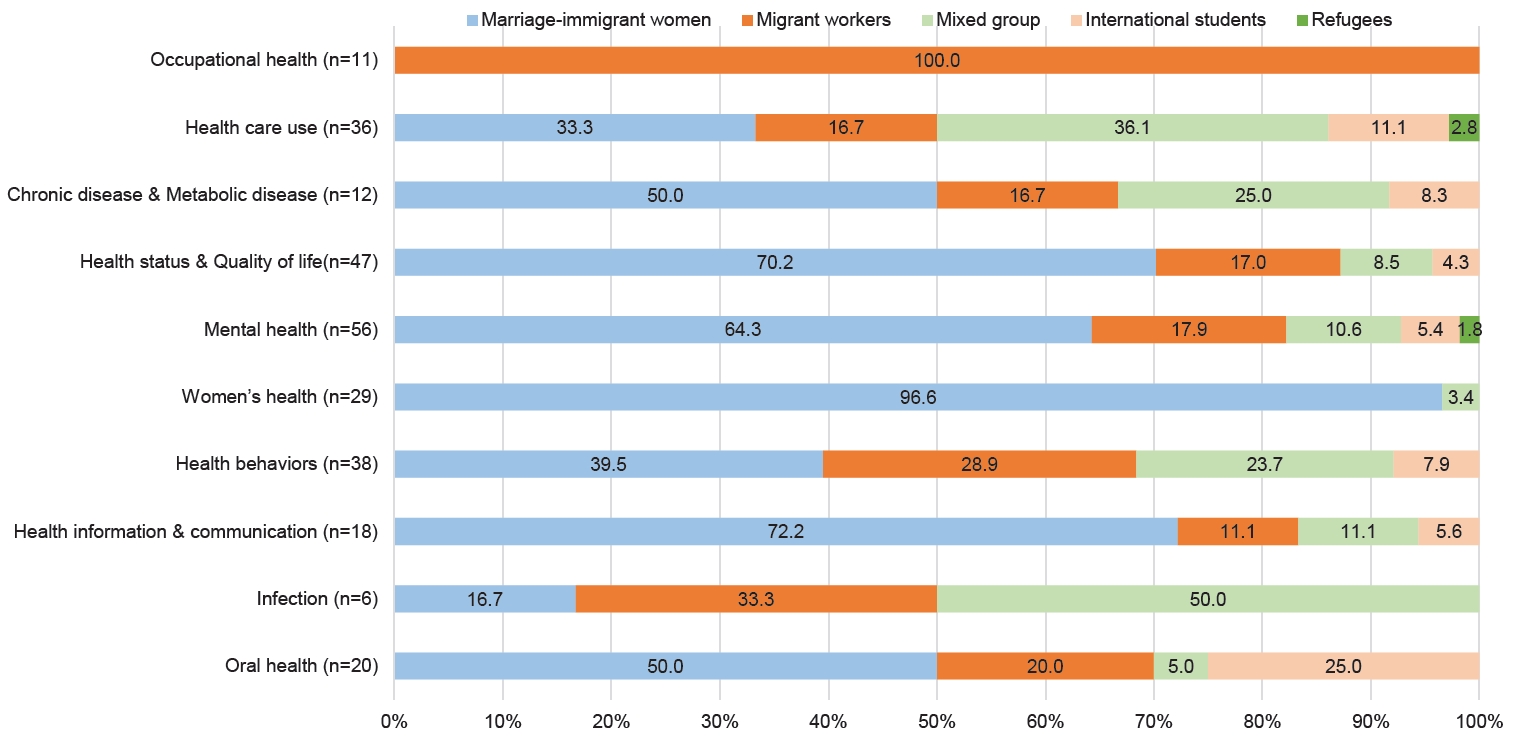
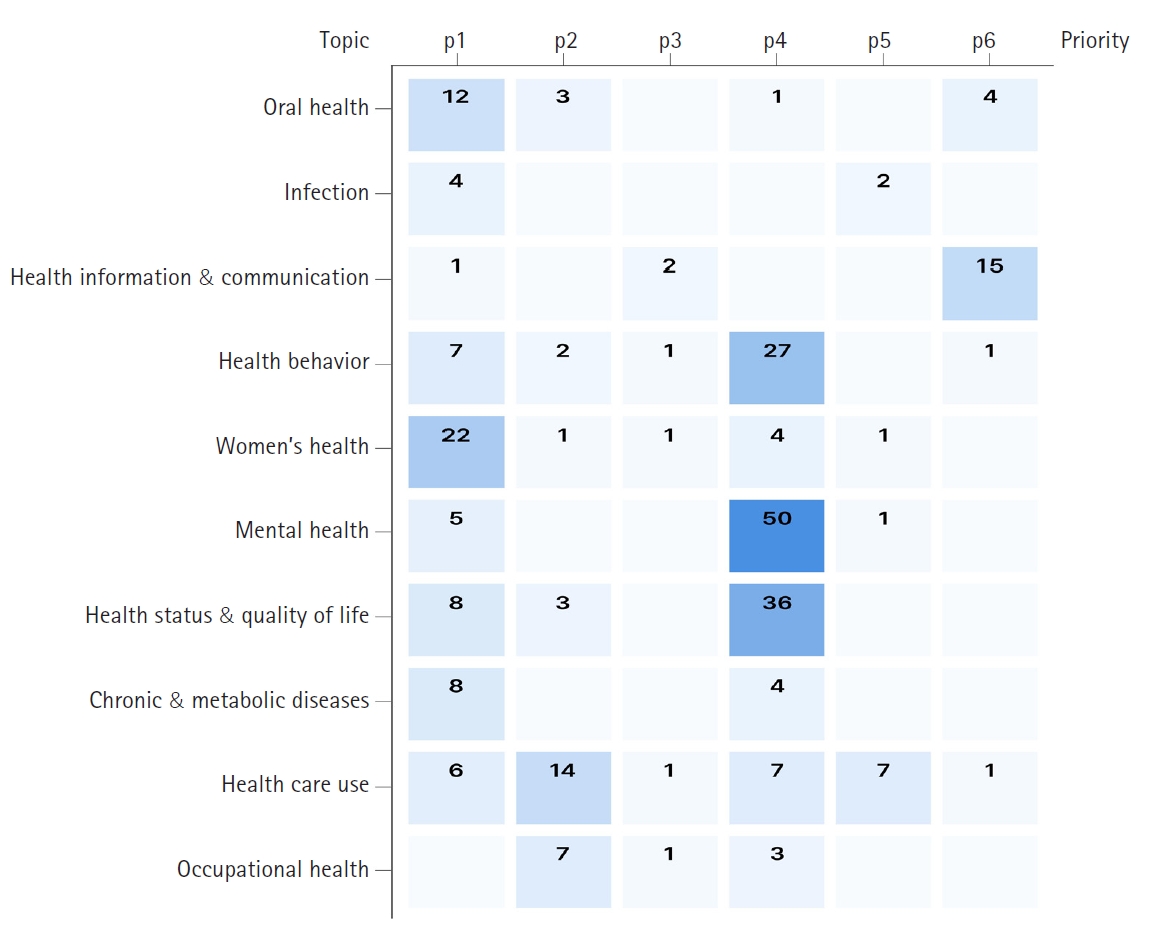
Fig. 1. PRISMA (Preferred Reporting Items for Systematic reviews and Meta-Analyses) 2020 flow diagram of study selection.
Fig. 2. Distribution of study populations by research topic (N=273, %).
Fig. 3. Heatmap of study counts by research topic across World Health Organization Global Action Plan priorities (P1–P6). Each cell indicates the number of included studies mapped to a topic–priority combination; darker shading represents higher counts (range, 0–50). P1, promoting health through public health interventions; P2, promoting continuity of care and occupational health; P3, mainstreaming health policies and fostering partnerships; P4, tackling the social determinants of health; P5, strengthening health monitoring and information systems; P6, improving health communication and countering misperceptions.
Fig. 1.
Fig. 2.
Fig. 3.
Migrant health research in South Korea, 2010–2021: a scoping review
| Variable | Category | n (%) |
|---|---|---|
| Year of publication | 2010–2015 | 138 (50.5) |
| 2016–2021 | 135 (49.5) | |
| Language | Korean | 169 (61.9) |
| English | 104 (38.1) | |
| Database | Domestic | 161 (59.0) |
| International | 112 (41.0) | |
| Study design | Quantitative | |
| Descriptive studies | 40 (16.5) | |
| Experimental studies | 20 (8.2) | |
| Methodology | 6 (2.5) | |
| Correlation studies | 170 (70.0) | |
| Structural equation modeling | 7 (2.9) | |
| Total | 243 (100.0) | |
| Qualitative | ||
| Phenomenology, hermeneutics | 5 (20.0) | |
| Grounded theory | 3 (12.0) | |
| Content analysis, qualitative descriptive | 8 (32.0) | |
| Case, ethnography, narrative | 5 (20.0) | |
| Special qualitative techniques | 4 (16.0) | |
| Total | 25 (100.0) | |
| Mixed | 5 (100.0) | |
| Data source | Primary data | 220 (80.6) |
| Secondary data | 53 (19.4) | |
| Immigrant group | Marriage migrant women | 154 (56.4) |
| Migrant workers | 56 (20.5) | |
| International students | 19 (7.0) | |
| Refugees | 2 (0.7) | |
| Mixed group | 42 (15.4) | |
| Sample size | <100 | 68 (24.9) |
| 100–299 | 120 (44.0) | |
| 300–999 | 40 (14.7) | |
| 1,000–99,999 | 38 (13.9) | |
| ≥100,000 | 7 (2.6) | |
| Min–max: 5–1,058,886 | ||
| Top journals by | Research in Community and Public Health Nursing | 13 (4.8) |
| Publication frequency | Journal of Korean Society of Dental Hygiene | 10 (3.7) |
| International Journal of Environmental Research and Public Health | 10 (3.7) | |
| Journal of Korean Academy of Nursing | 9 (3.3) | |
| Korean Journal of Women Health Nursing | 9 (3.3) | |
| Journal of the Korea Academia-Industrial Cooperation Society | 9 (3.3) | |
| Other journals | 213 (78.0) | |
| Research topic | Oral health | 20 (7.3) |
| Infection | 6 (2.2) | |
| Health information & communication | 18 (6.6) | |
| Health behaviors | 38 (13.9) | |
| Women’s health | 29 (10.6) | |
| Mental health | 56 (20.5) | |
| Health status & quality of life | 47 (17.2) | |
| Chronic & metabolic diseases | 12 (4.4) | |
| Health care use | 36 (13.2) | |
| Occupational health | 11 (4.0) |
| Research topic | Sub-topic | No. of studies | Study ID |
|---|---|---|---|
| Oral health (n=20) | Oral health behavior | 7 | A01, A02, A03, A05, A06, A18, A21 |
| Clinical oral health status | 6 | A04a), A07, A09, A12, A17, A19a) | |
| Oral health-related quality of life | 3 | A08, A11, A14 | |
| Oral health literacy | 2 | A13a),A20 | |
| Subjective oral health status | 2 | A10a), A15 | |
| Infection (n=6) | Tuberculosis | 2 | B05a), B06 |
| Sexual risk-taking behavior | 2 | B02, B04 | |
| Parasites | 1 | B03 | |
| Helicobacter pylori | 1 | B01a) | |
| Health information & communication (n=18) | Health literacy | 9 | C02, C04, C06, C07, C09, C10, C12, C14, C15 |
| Health information and educational needs | 3 | C11, C16, C18b) | |
| Educational program development | 3 | C01, C13, C17 | |
| Health information access & communication experience | 3 | C03b), C05b), C08b) | |
| Health behavior (n=38) | Health promoting behaviors | 14 | D01, D02, D05, D06, D11a), D15, D16, D19, D20, D21, D22, D31, D33, D37 |
| Dietary habits | 9 | D03, D04, D12, D13, D17, D24, D27, D29a), D30a) | |
| Physical activity | 7 | D08, D14, D23, D25, D26, D34, D35 | |
| Barriers to health behavior practice | 3 | D07b), D18b), D36b) | |
| Infection prevention practice | 2 | D09, D39 | |
| Smoking | 1 | D32 | |
| Alcohol reduction | 1 | D28 | |
| Health leader experience | 1 | D38b) | |
| Women’s health (n=29) | Infant care/perinatal depression | 10 | E02, E06a), E08a), E10, E15, E16, E20, E23, E27, E30 |
| Contraception | 5 | E09, E14, E21, E26, E29 | |
| Prenatal care | 4 | E03, E05, E17, E25 | |
| Cervical cancer prevention and screening | 4 | E04, E11, E18, E28 | |
| Menstruation | 3 | E01, E07, E12a) | |
| Pregnant & childbirth experience | 3 | E13b), E19b), E24b) | |
| Mental health (n=56) | Depression | 33 | F05, F07, F08, F09, F10, F11, F12, F14, F15, F16, F17, F19, F20, F21, F23, F25, F26, F28, F33, F35, F38, F39, F40, F41, F42, F43a), F44, F45, F46, F47, F49, F52, F53 |
| Depression and anxiety | 13 | F01, F02, F03, F06, F13, F18, F22a), F24a), F29, F32, F34, F37, F56 | |
| Health adaptation process | 2 | F31b), F48b) | |
| Smartphone addiction | 1 | F27 | |
| Well-being | 1 | F51 | |
| Death anxiety | 1 | F04 | |
| Panic | 1 | F54a) | |
| Sense of coherence | 1 | F30 | |
| Suicide risk | 1 | F55b) | |
| Resilience | 1 | F50b) | |
| Mental health literacy | 1 | F36 | |
| Health status & quality of life (n=47) | Subjective health status | 21 | G02, G03, G04, G10, G12, G16, G17a), G19, G20, G27, G30, G31, G32, G33, G34, G38, G39, G40, G41, G44, G47 |
| Objective health status | 4 | G01, G14a), G22, G29a) | |
| Comprehensive health status | 3 | G07, G24, G25 | |
| Quality of life | 17 | G05, G06, G08, G09, G11, G13, G18, G23, G26, G28, G35, G36, G37, G42, G43, G45, G46 | |
| Physical change/pain | 2 | G15b), G21b) | |
| Chronic & metabolic diseases (n=12) | Obesity | 4 | H01, H03, H09, H11 |
| General metabolic indicators | 4 | H05, H08, H10a), H12 | |
| Metabolic syndrome | 1 | H06a) | |
| Cardiovascular disease | 2 | H04, H07 | |
| Diabetes | 1 | H02 | |
| Health care use (n=36) | Oral health service | 9 | I01, I02, I05, I06, I09a), I14, I17, I26, I33 |
| Service utilization and accessibility | 9 | I07, I08, I10, I20, I21, I24, I27a), I32, I34 | |
| Health screening | 5 | I12, I19, I23, I25, I28 | |
| Barriers to health service utilization | 4 | I13b), I15b), I16b), I22b) | |
| Medication use | 3 | I29, I30a), I31a) | |
| Health service satisfaction | 3 | I03, I04, I11 | |
| COVID-19 vaccination | 2 | I35, I36 | |
| Experiences of health inequality | 1 | I18b) | |
| Occupational health (n=11) | Occupational health inequality | 3 | J06a), J07, J11 |
| Musculoskeletal disorders | 2 | J01, J03 | |
| Job stress | 1 | J09 | |
| Life and experiences after industrial accidents | 2 | J04b), J08b) | |
| Exposure to specific chemicals (lead) | 1 | J02a) | |
| Perception of musculoskeletal risks | 1 | J05b) | |
| Vulnerability of migrant workers | 1 | J12 |
Table 1. General characteristics of the included studies (N=273)
Percentages may not total 100 due to rounding.
Table 2. Content analysis of research topics and corresponding studies included in the analysis (N=273)
Study IDs were assigned for tracking and are not necessarily consecutive. COVID-19, coronavirus disease 2019. a)Indicates studies that included at least one comparison group. b)Indicates qualitative studies.


