
Skip Navigation
Skip to contents

J Korean Acad Nurs : Journal of Korean Academy of Nursing


Articles

Page Path
HOME > J Korean Acad Nurs > Ahead-of print articles > Article
Research Paper
Climate change literacy and its implications for older adults: a concept analysis
Soyoung Jangorcid

DOI: https://doi.org/10.4040/jkan.26028
Published online: November 10, 2026

College of Nursing, Kyungil University, Gyeongsan, South Korea

Corresponding author: Soyoung Jang College of Nursing, Kyungil University, 50 Gamasil-gil, Hayang-eup, Gyeongsan 38428, South Korea E-mail: syjang@kiu.ac.kr
• Received: March 4, 2026   • Revised: April 16, 2026   • Accepted: July 28, 2026

© 2026 Korean Society of Nursing Science

This is an Open Access article distributed under the terms of the Creative Commons Attribution NoDerivs License (http://creativecommons.org/licenses/by-nd/4.0) If the original work is properly cited and retained without any modification or reproduction, it can be used and re-distributed in any format and medium.

  • 62 Views
  • 0 Download
  • Purpose
    This study analyzed the conceptual structure of climate change literacy by integrating climate-related literacy concepts used across disciplines and explored its implications for older adults’ health.
  • Methods
    This concept analysis used Walker and Avant’s approach. Five electronic databases—PubMed, CINAHL, Embase, PsycINFO, and Web of Science—were searched from inception to December 2025. An additional search was conducted in March 2026 to identify literature specific to older adults.
  • Results
    Eleven studies were included in the concept analysis. Five defining attributes were identified: (1) understanding of climate–health linkages, (2) perceived personal and local climate risks, (3) access to and critical interpretation of climate–health information, (4) capacity for adaptive and health-protective actions, and (5) readiness for collective engagement and collaboration.
  • Conclusion
    Climate change literacy involves more than individual cognitive capacity; it is a multidimensional concept formed and practiced within social relationships and community structures. Because aging affects biological, psychological, and social conditions, each attribute of climate change literacy may be expressed differently in later life, making the concept particularly relevant to older adults. These findings may provide a theoretical basis for climate–health education programs, community-based adaptation strategies, and measurement tools, including approaches tailored to older adults.
Climate change is a major global threat to human health and survival. Climate change refers to long-term alterations in climate patterns, including changes in average conditions and variability, that persist over time [1]. Manifestations include various climate-related events such as droughts, extreme heat, storms, wildfires, and floods. A substantial body of literature has reported on various adverse health impacts of climate change, including increased morbidity and mortality, the spread of infectious diseases, respiratory problems, and undernutrition resulting from food insecurity [2-4].
According to the World Health Organization, climate change is projected to cause approximately 250,000 additional deaths annually between 2030 and 2050 [5]. Moreover, climate change affects multiple dimensions of human health, both directly and indirectly. Older adults are particularly vulnerable to climate-related health risks owing to age-related physiological decline, a higher prevalence of chronic diseases, and social vulnerabilities that limit their adaptive capacity [6,7]. Previous studies have shown that older adults, particularly those aged 75 years and older, are among the groups most vulnerable to heat waves [8], and that high temperatures exacerbate chronic lung diseases and respiratory tract infections in this population [9]. In addition, limited access to digital communication tools may prevent older adults from receiving timely warnings and health guidance during climate-related emergencies, further increasing health risks [10].
Given these vulnerabilities, the effective protection of older adults from climate-related health risks requires not only systemic interventions but also individuals’ abilities to recognize risks, interpret relevant information, and take appropriate adaptive actions. Indeed, individuals who actively participate in community decision-making processes significantly enhance their perception of having a substantial influence on climate adaptation decisions [11]. Qualitative evidence indicates that individuals who understand ongoing environmental changes recognize both the urgency of action and the importance of planning to address future risks [12]. These findings indicate that individual capacities to understand, interpret, and behave in response to climate-related changes are critical for effective adaptation. Such capacities are important because climate change is a complex and threatening phenomenon characterized by scientific uncertainty, diverse and interconnected health consequences, and the need for decisions and actions at the individual, community, and policy levels. Therefore, effective responses to climate change-related risks require more than factual knowledge; they require multidimensional competencies that enable individuals to evaluate information, determine appropriate responses, and translate their understanding into adaptive and protective actions. To define these individual capacities, researchers have increasingly relied on literacy-based frameworks that describe what people need to know, understand, and do in response to climate-related health risks [13,14].
These literacy-based frameworks have been articulated through several related concepts such as climate literacy, environmental literacy, environmental health literacy, and climate and health literacy [13-15]. Environmental health literacy emphasizes an individual’s capacity to seek, comprehend, evaluate, and use environmental health information to make informed choices that reduce health risks and protect the environment [16]. Climate and health literacy is defined as an individual’s ability to understand the complex relationship between human health and climate change, navigate uncertainty, make decisions with responsibility, and advocate for policies that protect health [14]. “The climate literacy: the essential principles of climate science” guide provides critical knowledge about the Earth’s climate system, climate change consequences, and strategies for adaptation and mitigation that individuals and communities need to comprehend [17].
Despite the increasing use of climate-related literacy concepts, there are variations across studies regarding how these concepts are defined, evaluated, and used as instruments. Some studies emphasize scientific knowledge related to climate systems and climate science literacy, while others focus on action-oriented behaviors or professional competencies [18-21]. Although each approach captures an important aspect of responding to climate change, these concepts were developed in parallel and tend to emphasize only selected dimensions of the broader competencies required for mitigation and adaptation [18-21]. This fragmentation may limit the development of valid and reliable measurement tools, the design of coherent educational interventions, and complicate efforts to compare findings across studies and populations [18,19]. Therefore, conducting a concept analysis is essential to identify shared conceptual elements and establish a more unified and coherent framework for climate change literacy.
Although these concepts originated from different disciplines and focused on different aspects, they collectively reveal convergent dimensions encompassing knowledge foundations, information interpretation capabilities, and action-oriented competencies. Matarese et al. [22] in 2018 demonstrated that multiple overlapping concepts could be integrated into a unified conceptual model, clarifying the relationships among related constructs. The present study applied the concept analysis by Walker and Avant [23] to identify common core dimensions and establish a coherent conceptual foundation.
Moreover, establishing this conceptual framework has significant implications for vulnerable populations, particularly older adults. As older adults differ cognitively, physically, and socially from younger people, their climate-related literacy may have processes and challenges distinct from those of younger age groups. Despite their vulnerability, few studies have examined climate-related literacy among older adults [6,24]. Therefore, developing a general conceptual framework for climate change literacy represents an essential first step toward enabling future age-specific research, targeted assessment, and health promotion interventions for this vulnerable population.
This study analyzed the concept of climate change literacy using the concept analysis method by Walker and Avant [23]. It sought to identify the defining attributes, antecedents, consequences, and empirical referents of climate change literacy to establish a conceptual foundation and explore implications for vulnerable populations, particularly older adults.
1. Design
This concept analysis utilized the approach by Walker and Avant [23].
2. Search methods
The researcher searched five databases (PubMed, CINAHL, Embase, PsycINFO, and Web of Science) from inception to December 2025. The search strategy combined indexed and free-text terms. The database search terms were “climate change,” “literacy,” and synonymous terms (Appendix Table 1), while the inclusion criteria were journal articles that (1) address climate-related literacy concepts and (2) are published in English. Only English-language publications were included to ensure consistency in the interpretation of terminology and conceptual definitions across the included literature. The exclusion criteria were journal articles that (1) do not provide any conceptual or definitional discussion of the concept and (2) are available only as abstracts without full texts. To examine older adult-specific literature, the researcher conducted a supplementary search in March 2026, incorporating age-related terms combined with climate change and literacy search terms across all five databases (Appendix Table 2).
3. Research process
The eight-step approach by Walker and Avant [23] was used to guide this concept analysis. First, the concept was selected and the study purpose was determined (steps 1–2). The uses of climate-related literacy concepts across the included studies were then identified (step 3). Data were extracted from the included studies using a consistent extraction process that captured terminology, conceptual definitions, key components, antecedents, consequences, and measurable indicators. Recurring elements were compared across studies, grouped according to conceptual similarity into candidate attributes, and refined through an iterative review process into five defining attributes (step 4). Model, borderline, and contrary cases were constructed to illustrate the presence or absence of these attributes (steps 5–6). Attributes were distinguished from antecedents and consequences based on whether they represented preceding conditions, core characteristics, or subsequent outcomes of the concept. For example, “capacity for adaptive behavior” was classified as an attribute while “actual behavior change” was classified as a consequence (step 7). Finally, empirical referents were identified by linking each defining attribute to observable or measurable indicators derived from the included studies (step 8).
4. Search outcome
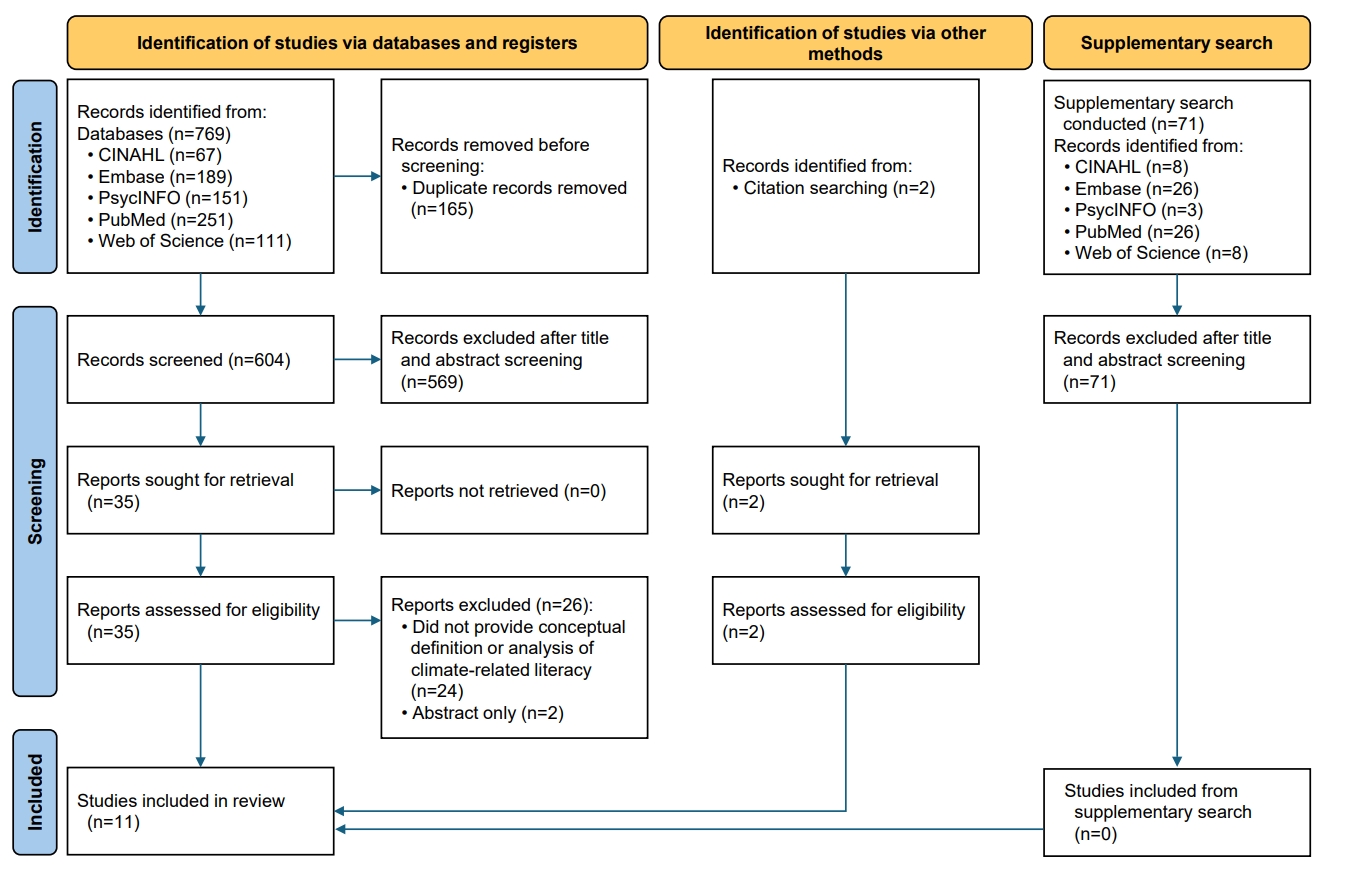
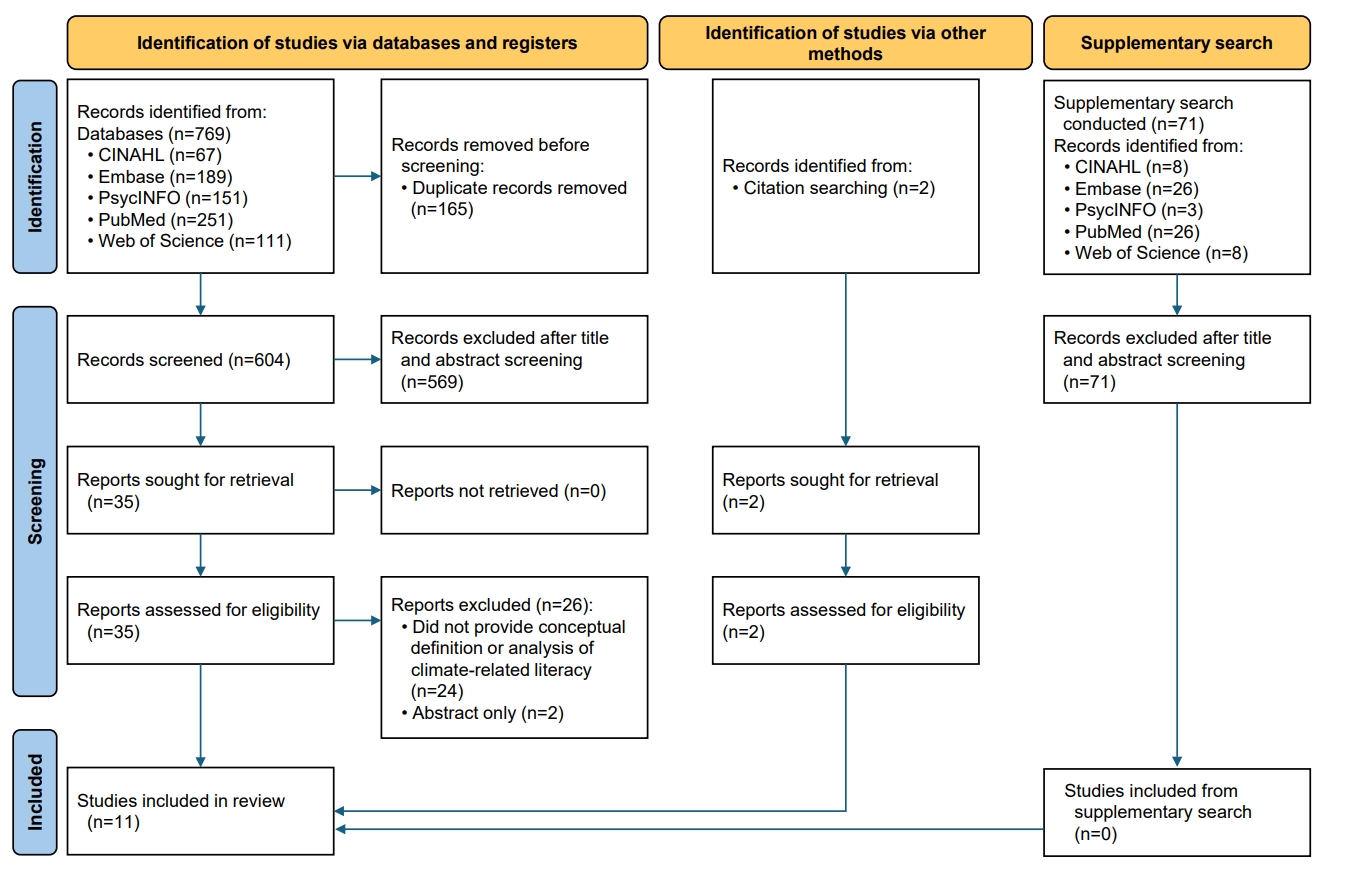
A total of 769 studies were identified in this search. After excluding 165 duplicate studies, the titles and abstracts of the remaining studies (n=604) were assessed according to the inclusion criteria, resulting in the exclusion of 569 studies. Overall, 35 studies were eligible for a full-text review. Some of these studies were excluded because they focused solely on measuring validation, evaluating intervention effects without addressing the concept itself, or were available only as abstracts. Subsequently, through a citation search, two more articles were added. The supplementary search identified 71 additional studies; however, after title and abstract screening, all 71 studies were excluded. No studies in the published literature specifically focused on older adults. Finally, 11 studies were selected for concept analysis (Figure 1, Appendix 3 [A1-A11]).
5. Ethical considerations
This study was a concept analysis based on published literature and did not involve human participants. Institutional Review Board approval and informed consent were not required.
1. Definition and uses of climate change literacy
The reviewed studies used various terms to describe climate-related literacy, including climate literacy, climate change literacy, climate science literacy, climate and health literacy, and environmental health literacy. In the present study, these related concepts were integrated under the umbrella term ‘climate change literacy’ based on their shared emphasis on understanding climate-related crises, interpreting relevant information, making decisions with responsibility, and taking protective actions. Although different terms have been used across studies, these concepts reflect an individual’s capacity to understand climate-related phenomena and respond effectively to associated environmental and health challenges.
The U.S. Global Change Research Program describes climate literacy as an understanding of individuals and communities about Earth’s climate, influences of climate change, and strategies for adaptation [17]. According to this framework, climate-literate individuals can understand the principles of the Earth’s climate system, access relevant information about climate, communicate meaningfully about climate, and make responsible decisions regarding actions that may affect the climate [17]. Some studies have adopted a multidimensional competence-based perspective that emphasizes knowledge and the ability to distinguish, understand, and critically evaluate climate-related information [19]. Kuthe et al. [25] identified five aspects of climate change literacy (i.e., attitude, knowledge, personal concern, climate-friendly behavior, and multiplicative actions), highlighting both the concept’s cognitive and behavioral dimensions.
In addition, several studies have conceptualized climate literacy within an integrated climate and healthcare framework. One study defined climate and health literacy as the degree of understanding of the complex relationship between human health and climate change, and used this understanding to inform health-related decisions [14]. These approaches emphasize recognizing the links between climate change and health, evaluating risk information, and making decisions and taking actions to protect the health of individuals and communities [26,27]. Churchill et al. [15] further expanded the definition by incorporating the role of organizations and systems in equitably supporting individuals’ access to and effective use of climate–health data. Similarly, Ardoin et al. [28] emphasized collective environmental literacy, suggesting that climate-related competencies go beyond individual capacities to include collaborative group processes through which shared resources are utilized to address socio-environmental issues.
2. Defining attributes
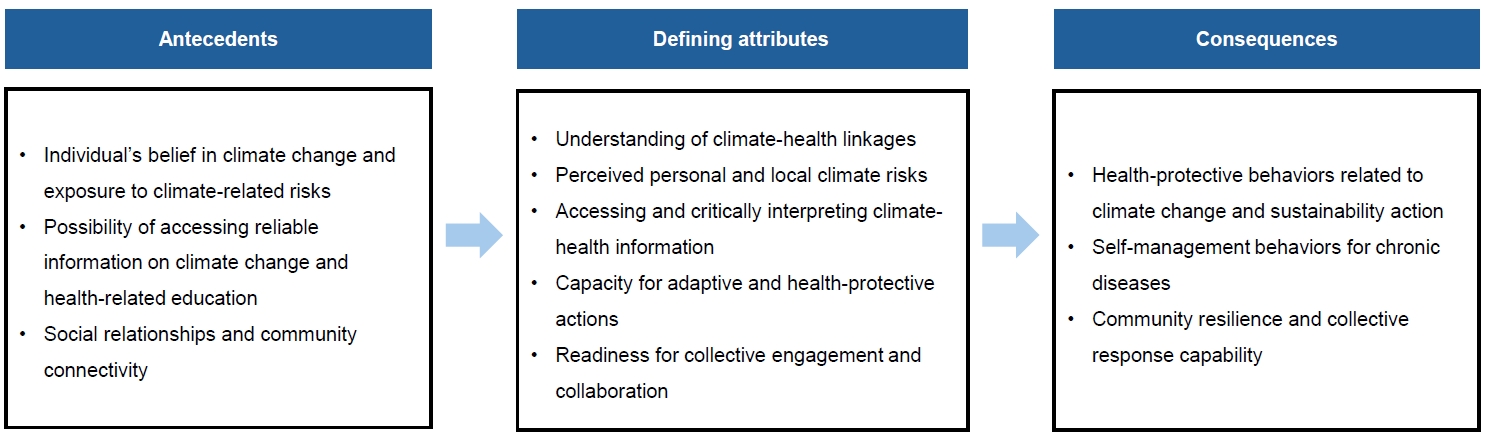
The review conducted in this study identified five main defining attributes of climate change literacy (Figure 2).

1) Understanding of climate–health linkages

The most basic attribute of climate change literacy is the capacity to grasp the complex relationship between climate change and health outcomes. This includes recognizing that climate-related issues such as heat waves, floods, wildfires, and air pollution affect people’s physical and mental health and that environmental changes may exacerbate chronic disease progression or health vulnerabilities. Moreover, this attribute indicates that climate change directly and indirectly affects community well-being over individual health [14,15,27,29].

2) Perceived personal and local climate risks

This attribute includes the capacity to recognize collective risks related to climate change that affect individuals’ health problems and community well-being. Several studies have identified that individuals’ concerns and risk recognition of climate change are important drivers of climate-friendly and health-protective behaviors. In addition, people who directly experience climate change-related risks in a community setting are more likely to take responsible mitigation and adaptation actions for their families and communities [25,30,31].

3) Accessing and critically interpreting climate–health information

This attribute refers to the competency not only in understanding and accessing climate change- and health-related information, but also in applying it to health-related decision-making and critically analyzing complex information. Because climate-related information is often provided with the constraints of scientific uncertainty and information overload, critical analysis and interpretive abilities—rather than mere information reception—constitute a core component of climate change literacy [14,15,26,32]. Gellermann et al. [32] emphasized that measuring climate literacy goes beyond simply assessing acquired knowledge to also include information interpretation and evaluation ability.

4) Capacity for adaptive and health-protective actions

This attribute refers to the capacity to apply knowledge of climate–health linkages and risk awareness in ways that enable protective responses. This includes the readiness and self-efficacy to engage in general environmental actions to reduce carbon emissions and specific actions to safeguard one’s own and one’s family’s well-being, such as capacity for appropriate evacuation actions during climate disaster situations (e.g., heat waves and wildfire smoke) or capacity for adjusting medication and health management strategies [19,25-27,30].

5) Readiness for collective engagement and collaboration

The final attribute refers to the readiness and willingness to share and utilize information and resources beyond the individual level within a community and to strengthen collective resilience through collaborative responses. One study emphasized that when group members with diverse backgrounds and roles participate in decision-making and utilize resources, more collective synergy can be created than the sum of the parts [28]. This attribute also encompasses the readiness to advocate for policies and institutions that promote climate mitigation, adaptation, resilience, and equity, thereby creating structural conditions that enable individuals and communities to protect themselves from climate-related health risks [15,27,29].
3. Model case
Mr. A is a 72-year-old man who lives in a rural area, has high blood pressure, and takes medications daily. Recently, because of the repeated summer heat waves, Mr. A has become aware that high temperatures can adversely affect his blood pressure control and overall health (Attribute 1). He realized that climate change might be a direct risk factor for managing his chronic condition, particularly after feeling exhausted and lightheaded while working on a farm in extremely hot weather (Attribute 2). Mr. A received information through heat wave response alerts from the local public health center and broadcasts advising him to reduce outdoor activities during high temperatures and maintain a cool environment. He interpreted this information within the context of his health condition and adjusted his farming hours to early morning and late afternoon (Attribute 3). On the days when heat wave warnings were issued, he demonstrated the capacity for health-protective actions in his daily life, such as using air-conditioned facilities at the village hall, adhering to his medication schedule, and regularly checking his blood pressure (Attribute 4). Additionally, Mr. A showed readiness for collaborative responses utilizing community resources, such as checking in on neighbors during heat waves and maintaining an emergency network (Attribute 5). In this way, Mr. A understands the health risks caused by climate change, interprets relevant information to adjust his lifestyle accordingly, demonstrates the capacity for adaptive and health-protective actions, and shows readiness for collective engagement with his community.
4. Borderline case
Ms. B is a 65-year-old woman who lives outside the city, has a diagnosis of diabetes, and takes medication. With heat waves becoming more frequent every summer, Ms. B has become aware that extremely hot weather can adversely affect her blood glucose control and overall health (Attribute 1 present). She also understood the relationship between health risks and climate change, as she received heat wave warnings and health management recommendations via television news and mobile phone notifications (Attributes 2 and 3 partially present). However, Ms. B has not reduced her outdoor activities nor adjusted her lifestyle during heat waves, but instead has continued to perform her normal tasks and go out even on hot days (Attribute 4 absent). She also did not use air conditioning nor community health programs and did not share information nor seek help regarding heat wave preparedness with neighbors or her family (Attribute 5 absent). In this case, Ms. B demonstrated awareness of and access to information about climate change and its health risks, but failed to translate this knowledge into adaptive actions or collective engagement with her community, representing a borderline case of climate change literacy.
5. Contrary case
Mr. C is a 71-year-old man with chronic cough and dyspnea and who does not meet with a physician regularly. He has never recognized the relationship between air pollution, climate change, and respiratory symptoms (Attribute 1 absent). Even on days with high fine dust concentrations or when air quality deteriorates owing to wildfire smoke, he continues to go out and engage in outdoor activities as usual without wearing a mask or switching to indoor activities (Attributes 2 and 4 absent). Furthermore, he has never paid due attention to air quality forecasts or health alerts, checked related information, nor used community health protection services or air purification facilities (Attribute 3 absent). He has also never discussed his health condition or climate change risks with his family and neighbors nor taken action to ask for help (Attribute 5 absent). Mr. C is therefore a contrary case, as he barely exhibits the critical attributes of climate change literacy, but rather lacks the concept.
6. Antecedents of climate change literacy
Antecedents are defined as events or attributes that occur before concepts are generated. The antecedents of climate change literacy identified in this study include an individual’s belief in climate change and exposure to climate-related risks, either directly or indirectly. Reducing psychological distance from climate change is necessary to counter the perception of it as a distant crisis. In addition, the direct and indirect exposure to climate-related events creates opportunities for individuals to recognize that climate change affects their daily activities and health [25,29,30]. These experiences serve as a starting point for acknowledging climate change as a real threat that can lead to subsequent behavioral changes.
Second, the possibility of accessing reliable information on climate change and health-related education is an important antecedent. Chronic disease management education, community health programs, and other programs play vital roles in helping individuals understand the link between their health and climate change. It also emphasizes that individuals can obtain reliable information about climate change risk and its influence on health in an understandable form [14,19,26,27].
Finally, social relationships and community connectivity are crucial. Social networks facilitate information sharing and collective action, acting as mediators that promote the spread of knowledge and action [15,28]. These conditions may serve as important structural factors in developing climate change literacy, particularly among older adults with their limited access to or acquisition of digital information.
7. Consequences of climate change literacy
Consequences are defined as events and transitions that occur after concept formation. The consequences of climate change literacy in this study are as follows. First, health-protective behaviors related to climate change and sustainability action are a significant outcome. When individuals possess climate change literacy, they are more likely to understand climate change risks, critically evaluate information, and engage in preventive behaviors to protect their health (e.g., during heat waves, adjust activities and use air conditioning; when air quality deteriorates, stay indoors). Additionally, they practice eco-friendly and sustainable behaviors by adjusting their lifestyles accordingly [19,25,30,32].
Second, climate change literacy reinforces self-management behaviors for chronic diseases. Individuals who recognize the impact of climate change on their general health and the risk of chronic diseases are more likely to take action to manage their health. They regularly monitor their health conditions and increase strategic health management actions, such as taking medication and adjusting their daily life levels [14,15,27].
Third, when individuals with climate change literacy actively engage collectively, community resilience and collective response capabilities are strengthened as an outcome. This enables cooperation and resource sharing among community members and the practice of evacuation procedures in the event of a climate disaster. This makes it possible to have a collective response capability in the event of climate change risks over simply an individual’s ability [25,28]. Community capacity can serve as a social safety net by protecting vulnerable populations and enabling coordinated responses at the local level during extreme climate events.
8. Empirical referents
Empirical referents are observable indicators confirming the existence of a concept in practice. The empirical referents of climate change literacy are as follows. The understanding of climate–health linkages and perceived personal and local climate risks can be assessed through questionnaires or structured interviews that examine individuals’ knowledge scores on climate–health relationships (e.g., identifying health outcomes of heat waves, air pollution, or flooding) and self-reported risk perception rating on standardized scales [19,31,32]. Access to and critical interpretation of climate–health information may be assessed through indicators of digital health literacy, including frequency of accessing reliable climate–health information sources and individuals’ abilities to seek, find, understand, and appraise climate–health information [26]. In addition, performance-based measures, such as the accuracy of selecting reliable information sources under conditions of information overload, may be used to demonstrate an individual’s capacity for critical evaluation. Capacity for adaptive and health-protective actions may be assessed based on specific preparedness indicators, such as having emergency plans, knowing locations of cooling centers, or demonstrated ability to adjust daily routines based on weather forecasts, rather than actual implementation of actions during climate-related emergencies [14]. Furthermore, sustainability-oriented behavioral intention, such as energy conservation and resource recycling, may serve as indicators of readiness for reducing environmental impacts [25,30]. Finally, readiness for collective engagement and collaboration may be assessed by expressed willingness to share information and resources, awareness of community emergency networks, and intention to participate in community-based response activities. It can also be assessed through intentions to advocate for climate policy and participate in climate-related social activities (e.g., climate-related workshops, community campaigns, and policy support activities aimed at climate adaptation and health protection).
Recently, climate change literacy has become a major subject of attention in various disciplines, and many related studies have been conducted. However, there is still no consensus on its conceptual definition and range of use. In the existing literature, different terms, including climate literacy, climate science literacy, climate health literacy, and environmental health literacy, are used interchangeably. This study aimed to integrate various climate-related concepts under the overarching term “climate change literacy” and analyze its defining attributes, antecedents, and consequences, thereby establishing a conceptual foundation for health-related research and measurement development.
The first attribute of the concept, “understanding of climate–health linkages,” refers to climate change not merely as an environmental problem but also as an individual’s health problem. This is based on previous studies showing that climate change has a direct or indirect impact on the exacerbation of chronic diseases, heatstroke, respiratory deterioration, mental health disorders, and the incidence of infectious diseases [4,33,34]. When individuals realize that climate change affects their health directly, their motivation to change their behavior increases [35]. Educational programs focused on the specific health impacts of climate change could strengthen public understanding of the link between climate change and health.
This study identified “perceived personal and local climate risks” as the second attribute. This attribute refers to recognizing climate change-related risks at both the individual and community level, threatening both health and safety. This study found that risk recognition was a crucial antecedent that promoted adaptive behaviors such as climate-friendly or health-protective behaviors. In particular, when individuals experience community-level risks together, responsible response behaviors for families or communities are further strengthened. This is in line with prior research indicating that individual and collective perceptions of climate change risks can be important factors in either promoting or hindering adaptive behaviors [36].
Another attribute was “accessing and critically interpreting climate–health information,” whereby indiscriminate access to climate change-related information, driven by information overload and scientific uncertainty, carries the risk of misguided judgment. This aligns with literature emphasizing that critical interpretation and evaluation abilities are required, not merely access to information [32], and that digital health literacy is a crucial factor for implementing active health management to access and use reliable health information [26,37].
The fourth attribute of this study was “capacity for adaptive and health-protective actions,” referring to an individual's capacity to engage in protective behaviors in response to climate-related risks based on acquired knowledge. This includes the capacity for appropriate evacuation actions during climate disaster situations and the ability to adjust medication and health management strategies based on climate-related risks. Promoting and supporting this capacity beyond mere risk recognition has been highlighted as a key community-based strategy for reducing heat wave-related morbidity and mortality [38].
The final attribute was “readiness for collective engagement and collaboration,” which describes the readiness and willingness to share information and resources in the community and to engage collectively in response to climate-related risks. This aligns with the concept of collective environmental literacy, which emphasizes the importance of group-level capabilities for solving sustainability issues, and differs from previous studies that primarily focused on individuals in relation to climate literacy [28]. Current climate response policies and programs have tended to emphasize individual behavioral changes, with relatively limited attention to approaches utilizing the collective capabilities of communities.
1. Implications for older adults as a vulnerable population
Older adults represent a particularly vulnerable population because they face relatively greater risks from climate change owing to chronic illnesses, medication use, physical frailty, and cognitive decline [39]. The findings of this concept analysis are especially relevant to older adults because the understanding and expression of climate change literacy may vary substantially according to age-related changes. Although the defining attributes of climate change literacy were derived from the related literature, the implications for older adults are theoretically meaningful because aging influences biological, psychological, and social conditions [6]. In later life, chronic disease burden, functional decline, cognitive changes, digital inequity, and changing social networks may affect how each attribute of climate change literacy is expressed [6]. Therefore, the following discussion contextualizes the five defining attributes in relation to the life-stage characteristics of older adulthood.
First, regarding understanding of climate–health linkages, many older adults cannot directly link climate change to their health [10]. This attribute is particularly relevant in later life because age-related physiological changes, multimorbidity, and daily medication use can influence health outcomes associated with climate-related exposures [6]. Thus, understanding climate–health linkages in older adults requires recognizing not only general environmental risks but also how those risks interact with existing health conditions. Educational interventions have shown effectiveness in improving health-related knowledge and behaviors [40]. Building on this evidence, strategies to facilitate this transition could include regularly providing older adults with a “climate–health integration education program” (e.g., on the specific impacts of heat waves and cold snaps on chronic diseases) tailored to their health conditions and learning needs. Second, concerning risk perception, socially isolated older adults may have limited exposure to climate change risk information, making it even harder for them to develop risk awareness [10]. From a psychosocial perspective, risk perception in older adulthood may be shaped not only by access to information but also by social isolation and limited exposure to locally shared risk cues, which may reduce the perceived personal relevance of climate-related threats [41]. Therefore, the perception that “one’s neighborhood is at risk” can serve as a crucial motivator for help-seeking or adaptive actions beyond personal health concerns.
Third, regarding information access and interpretation, older adults, compared with the younger generation, are likely to face a greater digital access gap and are more likely to be vulnerable in distinguishing reliable information [37,42]. This attribute is associated with age-related cognitive and social contexts, as older adults may encounter barriers not only in accessing digital resources but also in understanding climate-related warnings and guidance needed to respond to extreme events [43]. Therefore, it is necessary to strengthen the role of healthcare providers as information intermediaries and provide educational interventions to enhance older adults’ digital capabilities.
Fourth, in terms of behavioral capacity, practical behavioral capacity beyond mere risk recognition is particularly critical for reducing morbidity and mortality among older adults [38]. Considering their combined physical frailty and multiple age-related vulnerabilities, supporting practical behavioral changes requires tailored strategies beyond what works for the general population [6]. In older adulthood, the ability to act on climate-related information may be constrained by mobility limitations, dependence on caregivers or transportation, financial limitations, and difficulties in accessing protective resources [44]. Climate disaster response strategies for older adults should include specific action guidelines, and environmental support should extend to actual behavioral training, not just attempts at increasing risk awareness. A systematic approach is needed to support older adults in acting safely during climate disasters, particularly considering their mobility restrictions and difficulties in accessing resources. This should involve linking them to home-visit nursing services, community health programs, and public infrastructure, such as cooling shelters.
Fifth, regarding collective engagement, a lack of social support and community protection may increase older adults’ vulnerability to the negative impacts of climate change [6]. The collective participation of older adults in the community can go beyond simply accepting information to also involve an active role by sharing experiences and adaptive strategies with their neighbors. This attribute is especially relevant to the social context of aging, as narrowing social networks, living alone, and reduced community participation may increase vulnerability, whereas strong neighborhood ties and social support may enhance both individual protection and community resilience [45]. Approaches that utilize the collective capabilities of older adults are needed to address the unique challenges they face. Therefore, strategies are needed to make older adults key actors in strengthening community resilience by establishing structures at the community level that promote mutual care and information sharing among seniors, and by expanding climate adaptation activities based on intergenerational cooperation. Taken together, these attributes suggest that climate change literacy is particularly relevant to older adults because age-related biological, psychological, and social conditions shape how climate-related risks are understood, interpreted, and addressed.
2. Study limitations
This concept analysis study has some limitations. First, it reviewed only studies published in English, hence excluding studies from non-English-speaking countries. Therefore, the discussions and findings may not sufficiently reflect the results of studies conducted in areas that are particularly vulnerable to climate change. Second, the relatively small number of included studies reflects the nascent state of the literature on climate change literacy as a unified concept. Although conceptual saturation was sought through an iterative analysis process, the limited volume of available literature may affect the comprehensiveness of the conceptual framework. This evidence gap highlights the necessity for ongoing conceptual development of climate change literacy among various populations and contexts. Third, although a supplementary search incorporating older adult-specific terms was performed, no eligible studies were identified. This finding underscores that climate change literacy among older adults remains an understudied area. While this foundational conceptual framework provides a necessary first step, future research specifically focusing on older adults is essential to validate how these attributes manifest in this population and guide tailored intervention development.
This study clarified the conceptual structure of climate change literacy by integrating climate-related literacy concepts used across disciplines, and explored its implications for older adults as a vulnerable population. Together, the five defining attributes identified in this study describe the capacities needed to understand climate-related health risks and translate knowledge into protective and collective action. These findings may provide a theoretical basis for developing climate-health education programs, community-based adaptation strategies, and climate change literacy measurement tools that are applicable to diverse populations, with particular consideration for older adults’ characteristics and vulnerabilities.

Conflicts of Interest

No potential conflict of interest relevant to this article was reported.

Acknowledgements

None.

Funding

None.

Data Sharing Statement

Please contact the corresponding author for data availability.

Author Contributions

Conceptualization: SJ. Methodology: SJ. Software: SJ. Validation: SJ. Formal analysis: SJ. Investigation: SJ. Resources: SJ. Data curation: SJ. Visualization: SJ. Supervision: SJ. Project administration: SJ. Funding acquisition: none. Writing–original draft: SJ. Writing–review & editing: SJ. Final approval of the manuscript: SJ.

Figure 1.
Flow chart showing study selection process.
jkan-26028f1.jpg
Figure 2.
Antecedents, attributes, and consequences of climate change literacy.
jkan-26028f2.jpg
Appendix Table 1.
Database search results
Database No. Search structure Results
PubMed #1 ("Climate Change"[MeSH Terms] OR "Global Warming"[MeSH Terms] OR "climate change"[Title/Abstract] OR "global warming"[Title/Abstract] OR "climate crisis"[Title/Abstract]) 109,124
#2 ("Health Literacy"[MeSH Terms] OR literacy[Title/Abstract] 46,524
OR "climate literacy"[Title/Abstract] OR "climate change literacy"[Title/Abstract] OR "climate health literacy"[Title/Abstract] OR "environmental health literacy"[Title/Abstract])
#3 #1 AND #2 256
#4 Filters: English 251
Embase #1 ('climate change'/exp OR 'global warming'/exp OR 'climate change':ti,ab OR 'climate crisis':ti,ab) 83,768
#2 ('health literacy'/exp OR literacy:ti,ab OR 'climate literacy':ti,ab 39,711
OR 'climate change literacy':ti,ab OR 'climate health literacy':ti,ab
OR 'environmental health literacy':ti,ab)
#3 #1 AND #2 195
#4 [english]/lim 189
CINAHL S1 MH "Climate Change" OR XB "climate change" OR XB "global warming" OR XB "climate crisis" 9,992
S2 MH "Health Literacy" OR XB literacy OR XB "climate literacy" OR XB "climate change literacy" OR XB "climate health literacy" OR XB "environmental health literacy" 27,628
S3 S1 AND S2 68
S4 Filters: English 67
Web of Science #1 TS= "climate change" OR "global warming" OR "climate crisis" 37,388
#2 TS= literacy OR "health literacy" OR "climate literacy" OR "climate change literacy" OR "climate health literacy" OR "environmental health literacy" 14,065
#3 #1 AND #2 111
PsycINFO S1 DE "Climate Change" OR DE "Global Warming" OR XB "climate change" OR XB "global warming" OR XB "climate crisis" 8,036
S2 DE "Health Literacy" OR XB literacy OR XB "climate literacy" OR XB "climate change literacy" OR XB "climate health literacy" OR XB "environmental health literacy" 45,437
S3 S1 AND S2 152
S4 Filters: English 151
Appendix Table 2.
Supplementary age-specific search results
Database No. Search structure Results
PubMed #1 ("Climate Change"[MeSH Terms] OR "Global Warming"[MeSH Terms] OR "climate change"[Title/Abstract] OR "global warming"[Title/Abstract] OR "climate crisis"[Title/Abstract]) 112,445
#2 ("Health Literacy"[MeSH Terms] OR literacy[Title/Abstract] 48,528
OR "climate literacy"[Title/Abstract] OR "climate change literacy"[Title/Abstract] OR "climate health literacy"[Title/Abstract] OR "environmental health literacy"[Title/Abstract])
#3 ("aged"[MeSH Terms] OR "aging"[MeSH Terms] OR "older adult*"[Title/Abstract] OR "elderly"[Title/Abstract] OR "senior*"[Title/Abstract] OR "geriatric*"[Title/Abstract]) 4,261,408
#4 #1 AND #2 AND #3 26
Embase #1 ('climate change'/exp OR 'global warming'/exp OR 'climate change':ti,ab OR 'climate crisis':ti,ab) 98,973
#2 ('health literacy'/exp OR literacy:ti,ab OR 'climate literacy':ti,ab 41,704
OR 'climate change literacy':ti,ab OR 'climate health literacy':ti,ab
OR 'environmental health literacy':ti,ab)
#3 ('aged'/exp OR 'aging'/exp OR 'older adult*':ti,ab OR elderly:ti,ab OR senior*:ti,ab OR geriatric*:ti,ab) 3,936,818
#4 #1 AND #2 AND #3 26
CINAHL S1 MH "Climate Change" OR XB "climate change" OR XB "global warming" OR XB "climate crisis" 10,400
S2 MH "Health Literacy" OR XB literacy OR XB "climate literacy" OR XB "climate change literacy" OR XB "climate health literacy" OR XB "environmental health literacy" 28,365
S3 MH “aged” OR MH “aging” OR XB "older adult*" OR XB "elderly" OR XB "senior*" OR XB "geriatric*" 1,099,451
S4 S1 AND S2 AND S3 8
Web of Science #1 TS= "climate change" OR "global warming" OR "climate crisis" 38,182
#2 TS= literacy OR "health literacy" OR "climate literacy" OR "climate change literacy" OR "climate health literacy" OR "environmental health literacy" 14,388
#3 TS= “aged” OR “aging” OR "older adult*" OR "elderly" OR "senior*" OR "geriatric*" 159,462
#4 #1 AND #2 AND #3 8
PsycINFO S1 DE "Climate Change" OR DE "Global Warming" OR XB "climate change" OR XB "global warming" OR XB "climate crisis" 8,305
S2 DE "Health Literacy" OR XB literacy OR XB "climate literacy" OR XB "climate change literacy" OR XB "climate health literacy" OR XB "environmental health literacy" 46,401
S3 DE "Aged" OR DE "Aging" OR XB "older adult*" OR XB elderly OR XB senior* 394,148
S4 S1 AND S2 AND S3 3
Appendix 3. Reviewed articles
A1. Abdolkhani R, Choo D, Gilbert C, Borda A. Advancing women’s participation in climate action through digital health literacy: gaps and opportunities. J Am Med Inform Assoc. 2022;29(12):2174-2177. https://doi.org/10.1093/jamia/ocac167
A2. Al-Hamad A, Metersky K, Yasin YM. Embedding climate literacy in Canadian nursing curricula and research: lessons from wildfires and heat waves. Can J Nurs Res. 2026;58(1):3-5. https://doi.org/10.1177/08445621251390291
A3. Ardoin NM, Bowers AW, Wheaton M. Leveraging collective action and environmental literacy to address complex sustainability challenges. Ambio. 2023;52(1):30-44. https://doi.org/10.1007/s13280-022-01764-6
A4. Boniface G, Boniface J. Climate literacy and occupational therapy: a primer for action. Occup Ther Now [Internet]. 2024 [cited 2026 Jan 9];27(3):26-28. Available from: https://www.mydigitalpublication.com/publication/?i=822880&p=26&view=issueViewer
A5. Churchill LR, Henderson GE, King NM. Why climate literacy is health literacy. AMA J Ethics. 2024;26(2):E147-E152. https://doi.org/10.1001/amajethics.2024.147
A6. Gellermann D, Michel H, Harms U. Between two worlds: locating climate literacy between modern educational frameworks and assessment needs. Mind Brain Educ. 2025;19(2):61-72. https://doi.org/10.1111/mbe.70003
A7. Kuthe A, Körfgen A, Stötter J, Keller L. Strengthening their climate change literacy: a case study addressing the weaknesses in young people’s climate change awareness. Appl Environ Educ Commun. 2020;19(4):375-388. https://doi.org/10.1080/1533015X.2019.1597661
A8. Limaye VS, Grabow ML, Stull VJ, Patz JA. Developing a definition of climate and health literacy. Health Aff (Millwood). 2020;39(12):2182-2188. https://doi.org/10.1377/hlthaff.2020.01116
A9. Marzetta KL. Changing the climate of beliefs: a conceptual model of learning design elements to promote climate change literacy. J Sustain Educ. 2017;16:1-18.
A10. Pan WL, Fan R, Pan W, Ma X, Hu C, Fu P, et al. The role of climate literacy in individual response to climate change: evidence from China. J Clean Prod. 2023;405:136874. https://doi.org/10.1016/j.jclepro.2023.136874
A11. Rababah JA. Concept analysis of climate science literacy: implications to nursing and healthcare professions education. Teach Learn Nurs. 2025;20(2):113-120. https://doi.org/10.1016/j.teln.2024.07.002

Figure & Data

REFERENCES

    Citations

    Citations to this article as recorded by  

      • ePub LinkePub Link
      • Cite
        CITE
        export Copy Download
        Close
        Download Citation
        Download a citation file in RIS format that can be imported by all major citation management software, including EndNote, ProCite, RefWorks, and Reference Manager.

        Format:
        • RIS — For EndNote, ProCite, RefWorks, and most other reference management software
        • BibTeX — For JabRef, BibDesk, and other BibTeX-specific software
        Include:
        • Citation for the content below
        Climate change literacy and its implications for older adults: a concept analysis
        Close
      • XML DownloadXML Download
      Figure
      • 0
      • 1
      We recommend
      Related articles
      Climate change literacy and its implications for older adults: a concept analysis
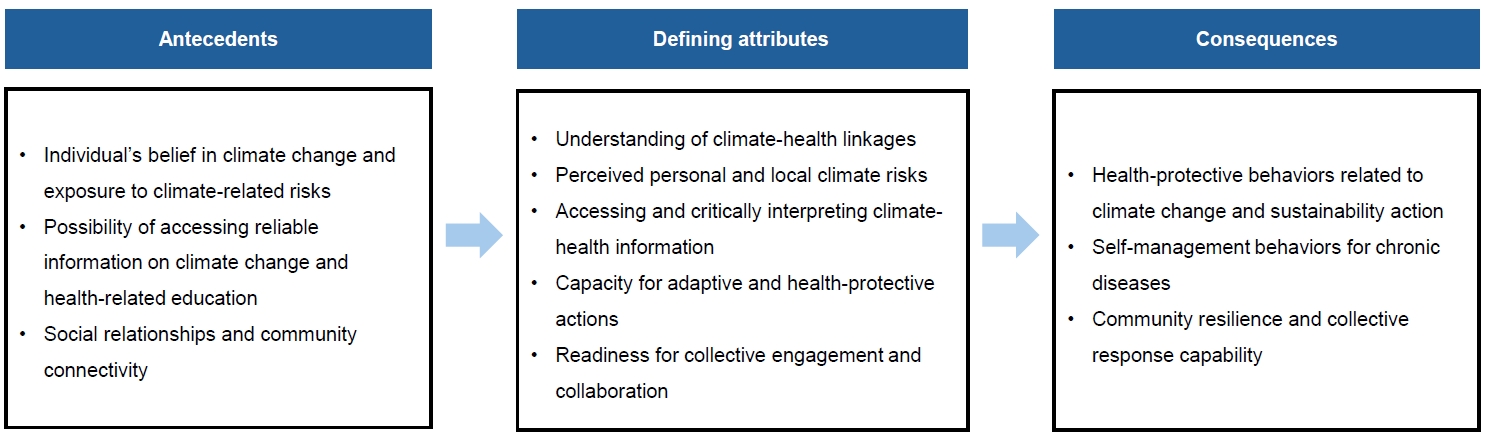
      Image Image
      Figure 1. Flow chart showing study selection process.
      Figure 2. Antecedents, attributes, and consequences of climate change literacy.
      Climate change literacy and its implications for older adults: a concept analysis
      Database No. Search structure Results
      PubMed #1 ("Climate Change"[MeSH Terms] OR "Global Warming"[MeSH Terms] OR "climate change"[Title/Abstract] OR "global warming"[Title/Abstract] OR "climate crisis"[Title/Abstract]) 109,124
      #2 ("Health Literacy"[MeSH Terms] OR literacy[Title/Abstract] 46,524
      OR "climate literacy"[Title/Abstract] OR "climate change literacy"[Title/Abstract] OR "climate health literacy"[Title/Abstract] OR "environmental health literacy"[Title/Abstract])
      #3 #1 AND #2 256
      #4 Filters: English 251
      Embase #1 ('climate change'/exp OR 'global warming'/exp OR 'climate change':ti,ab OR 'climate crisis':ti,ab) 83,768
      #2 ('health literacy'/exp OR literacy:ti,ab OR 'climate literacy':ti,ab 39,711
      OR 'climate change literacy':ti,ab OR 'climate health literacy':ti,ab
      OR 'environmental health literacy':ti,ab)
      #3 #1 AND #2 195
      #4 [english]/lim 189
      CINAHL S1 MH "Climate Change" OR XB "climate change" OR XB "global warming" OR XB "climate crisis" 9,992
      S2 MH "Health Literacy" OR XB literacy OR XB "climate literacy" OR XB "climate change literacy" OR XB "climate health literacy" OR XB "environmental health literacy" 27,628
      S3 S1 AND S2 68
      S4 Filters: English 67
      Web of Science #1 TS= "climate change" OR "global warming" OR "climate crisis" 37,388
      #2 TS= literacy OR "health literacy" OR "climate literacy" OR "climate change literacy" OR "climate health literacy" OR "environmental health literacy" 14,065
      #3 #1 AND #2 111
      PsycINFO S1 DE "Climate Change" OR DE "Global Warming" OR XB "climate change" OR XB "global warming" OR XB "climate crisis" 8,036
      S2 DE "Health Literacy" OR XB literacy OR XB "climate literacy" OR XB "climate change literacy" OR XB "climate health literacy" OR XB "environmental health literacy" 45,437
      S3 S1 AND S2 152
      S4 Filters: English 151
      Database No. Search structure Results
      PubMed #1 ("Climate Change"[MeSH Terms] OR "Global Warming"[MeSH Terms] OR "climate change"[Title/Abstract] OR "global warming"[Title/Abstract] OR "climate crisis"[Title/Abstract]) 112,445
      #2 ("Health Literacy"[MeSH Terms] OR literacy[Title/Abstract] 48,528
      OR "climate literacy"[Title/Abstract] OR "climate change literacy"[Title/Abstract] OR "climate health literacy"[Title/Abstract] OR "environmental health literacy"[Title/Abstract])
      #3 ("aged"[MeSH Terms] OR "aging"[MeSH Terms] OR "older adult*"[Title/Abstract] OR "elderly"[Title/Abstract] OR "senior*"[Title/Abstract] OR "geriatric*"[Title/Abstract]) 4,261,408
      #4 #1 AND #2 AND #3 26
      Embase #1 ('climate change'/exp OR 'global warming'/exp OR 'climate change':ti,ab OR 'climate crisis':ti,ab) 98,973
      #2 ('health literacy'/exp OR literacy:ti,ab OR 'climate literacy':ti,ab 41,704
      OR 'climate change literacy':ti,ab OR 'climate health literacy':ti,ab
      OR 'environmental health literacy':ti,ab)
      #3 ('aged'/exp OR 'aging'/exp OR 'older adult*':ti,ab OR elderly:ti,ab OR senior*:ti,ab OR geriatric*:ti,ab) 3,936,818
      #4 #1 AND #2 AND #3 26
      CINAHL S1 MH "Climate Change" OR XB "climate change" OR XB "global warming" OR XB "climate crisis" 10,400
      S2 MH "Health Literacy" OR XB literacy OR XB "climate literacy" OR XB "climate change literacy" OR XB "climate health literacy" OR XB "environmental health literacy" 28,365
      S3 MH “aged” OR MH “aging” OR XB "older adult*" OR XB "elderly" OR XB "senior*" OR XB "geriatric*" 1,099,451
      S4 S1 AND S2 AND S3 8
      Web of Science #1 TS= "climate change" OR "global warming" OR "climate crisis" 38,182
      #2 TS= literacy OR "health literacy" OR "climate literacy" OR "climate change literacy" OR "climate health literacy" OR "environmental health literacy" 14,388
      #3 TS= “aged” OR “aging” OR "older adult*" OR "elderly" OR "senior*" OR "geriatric*" 159,462
      #4 #1 AND #2 AND #3 8
      PsycINFO S1 DE "Climate Change" OR DE "Global Warming" OR XB "climate change" OR XB "global warming" OR XB "climate crisis" 8,305
      S2 DE "Health Literacy" OR XB literacy OR XB "climate literacy" OR XB "climate change literacy" OR XB "climate health literacy" OR XB "environmental health literacy" 46,401
      S3 DE "Aged" OR DE "Aging" OR XB "older adult*" OR XB elderly OR XB senior* 394,148
      S4 S1 AND S2 AND S3 3


      J Korean Acad Nurs : Journal of Korean Academy of Nursing
      Close layer
      TOP